Nigeria Erupts Over Xenophobic Attacks: Politicians, Activists Demand Action Against South Africa
Renewed xenophobic attacks against Nigerians in South Africa have ignited a strong response from Nigerian lawmakers and socio-cultural groups, demanding immediate action. Proposals range from economic retaliation against South African companies like MTN and MultiChoice to urgent diplomatic engagements to protect Nigerian citizens, amidst criticism of perceived governmental and corporate inaction.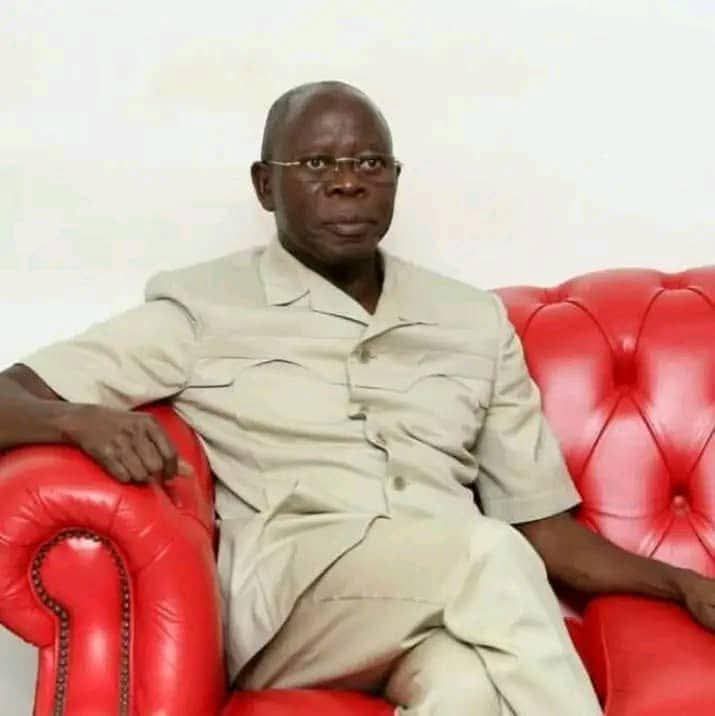
The renewed wave of xenophobic attacks against Nigerian nationals in South Africa has sparked widespread outrage and a multifaceted response from Nigeria's political figures, socio-cultural groups, and human rights advocates. The Nigerian Senate, on Tuesday, May 4, 2026, moved to address the escalating crisis, initiating both diplomatic and legislative actions amidst growing concerns over the safety and well-being of its citizens abroad.
Senator Adams Oshiomhole, representing Edo North Senatorial District, vocally advocated for immediate and stringent economic retaliation against South Africa. During a plenary session, Oshiomhole proposed the revocation of operational licences for prominent South African companies like MTN and DSTV, and even the nationalization of MTN. He argued that these companies extract substantial revenues from Nigeria while its citizens face hostility abroad, describing the situation as an "economic struggle" and asserting that Nigeria must respond firmly to protect its citizens. While his specific proposals were ultimately declined on procedural grounds by the Senate President, the sentiment underscored a strong desire for Nigeria to take decisive action in response to the attacks.
In response to the growing concerns, the Senate resolved to establish a joint ad hoc committee comprising members from both the Senate and the House of Representatives. This committee, to be led by the Chairman of the National Assembly, is tasked with undertaking a fact-finding and diplomatic visit to South Africa. The delegation aims to engage with the South African Parliament, formally conveying Nigeria's profound displeasure over the reported attacks and seeking lasting solutions to the crisis. The Senate also plans to communicate directly with the Speaker of the South African Parliament and has requested that the Minister of Foreign Affairs brief lawmakers on the outcomes of their diplomatic engagements. Lawmakers expressed deep concern not only over physical violence but also the growing climate of fear, psychological trauma, and dehumanization faced by Nigerians, who are increasingly being profiled and targeted based solely on their nationality. A minute of silence was subsequently observed in honour of Nigerians who have lost their lives in these attacks.
Concurrently, the Yoruba socio-cultural group, Ìgbìnmó Májékóbájé Ilé-Yorùbá, harshly criticized President Bola Tinubu, accusing his administration of a failure to respond decisively to the renewed attacks, killings, and harassment. In a statement, the group condemned the brutal killings and destruction of properties belonging to Nigerians, warning of mounting public anger if concrete measures were not taken to stop the violence. They explicitly called for the shutdown of South African businesses in Nigeria, specifically naming telecommunications giant MTN Group and media company MultiChoice Group, asserting that "the madness going on in South Africa must be stopped." The group highlighted the violation of international human rights standards, citing Article 3 of the United Nations Universal Declaration of Human Rights, and suggested that the attacks are fueled by resentment against economically successful Nigerians, emphasizing that Nigerians "created more jobs and wealth for South African people." They urged President Tinubu to personally visit South Africa to address the crisis, cautioning against potential reprisals in Nigeria if the violence continues, while also advising Nigerians residing in South Africa to prioritize their safety.
Senate President Godswill Akpabio also expressed profound distress over the alleged killing of a Nigerian surgeon in South Africa, reportedly by a local mechanic, describing the incident as "disturbing and unacceptable." Akpabio revealed he had taken "personal action" on the matter and called for a strong, coordinated legislative response between Nigeria’s National Assembly and the South African Parliament. He stressed the necessity for direct engagement, hoping the South African Parliament would debate and address the issue, condemning such senseless acts driven by the false belief that Nigerians are competing for local jobs. He reiterated Nigeria's responsibility to protect its citizens abroad and voiced deep frustration over the perceived lack of decisive action from President Cyril Ramaphosa's government in addressing the recurring attacks.
Adding to the chorus of condemnation, human rights lawyer Aloy Ejimakor publicly criticized telecommunications giant MTN Nigeria and media company MultiChoice Nigeria for their "deafening silence" amid the ongoing violence. Ejimakor questioned the moral integrity of these South African-owned firms, which benefit immensely from their extensive operations in Nigeria, their largest market. He suggested their continued silence implied a prioritization of profits over the lives of Nigerians, stating it "creates the impression that they value the trillions they’re making in Nigeria more than the lives of Nigerians living in South Africa." He urged the Nigerian public to challenge these companies, believing sustained pressure could compel them to act and potentially influence actions that may help protect Nigerians abroad. The combined Nigerian responses highlight a desperate plea for justice, protection, and a definitive end to xenophobic attacks targeting Nigerian nationals.