Niger Delivers Stunning Blow, Abandons International Criminal Court
Niger has formally notified the ICC of its withdrawal, becoming the first Alliance of Sahel States member to begin exiting the court amid growing criticism of international institutions and calls for greater African sovereignty.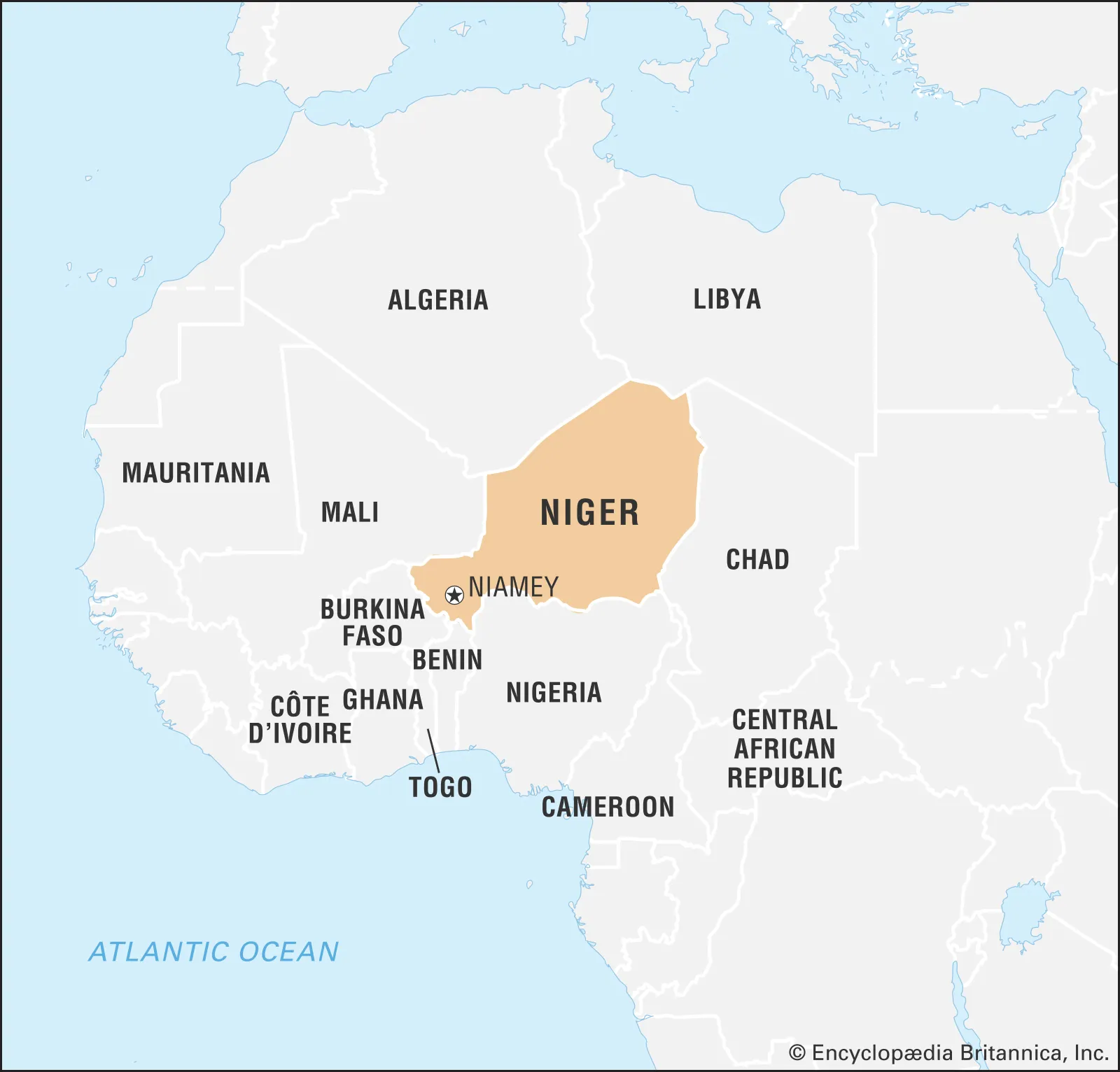
Niger officially notified the International Criminal Court (ICC) of its withdrawal on Thursday, June 18, 2026, with the ICC confirming receipt on Tuesday, June 23, 2026. This withdrawal, governed by Article 127 of the Rome Statute, will take full effect one year later, on June 18, 2027. Until this date, Niger is legally obligated to continue its cooperation with the Court.
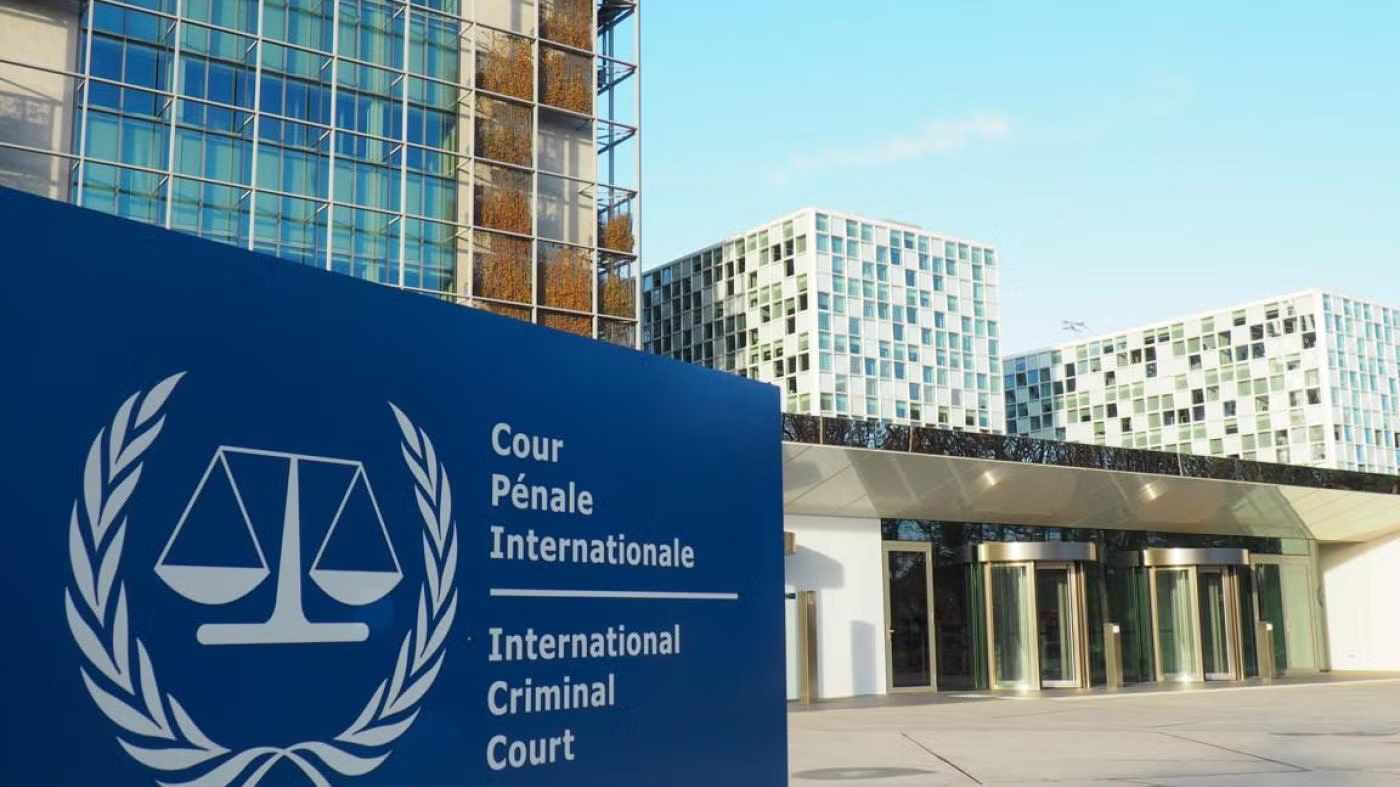
The decision for Niger's departure stems from a significant joint announcement made in September 2025 by the three member states of the Alliance of Sahel States (AES): Niger, Mali, and Burkina Faso.
The military-led governments of these nations critically characterized the ICC as a "neo-colonial instrument of repression" and a tool of Western imperialism, specifically employed to target African countries.
This strong condemnation highlights a broader sentiment within the AES bloc regarding international institutions.
In response to Niger's notification, the ICC expressed regret, emphasizing that such withdrawals undermine the global effort to combat impunity for grave offenses, including genocide, crimes against humanity, and war crimes.
With this move, Niger aligns itself with other significant global powers, such as the United States, Russia, China, and Israel, which are not members of the Court.
This departure further diminishes the ICC's influence within West Africa, a region already grappling with complex political and security challenges.
It also raises questions regarding the complete coordination of the AES bloc's stated collective withdrawal, as there has been no official confirmation or update on whether Mali and Burkina Faso have submitted their own formal notifications.
This latest development underscores the increasing trend among AES nations to reject certain international institutions in favor of prioritizing "African solutions to African problems" and asserting greater national sovereignty.