Netflix Shakes Up Hollywood: Theatre Owners Rage Over 'Catastrophic' WB Acquisition!
Hollywood's rapid consolidation, exemplified by Netflix's bid for Warner Bros., is sparking alarm among movie theater owners. Exhibitors testified to the Senate antitrust committee, condemning such mergers as "economically and culturally catastrophic," warning of fewer theaters, shorter release windows, and reduced film diversity for audiences.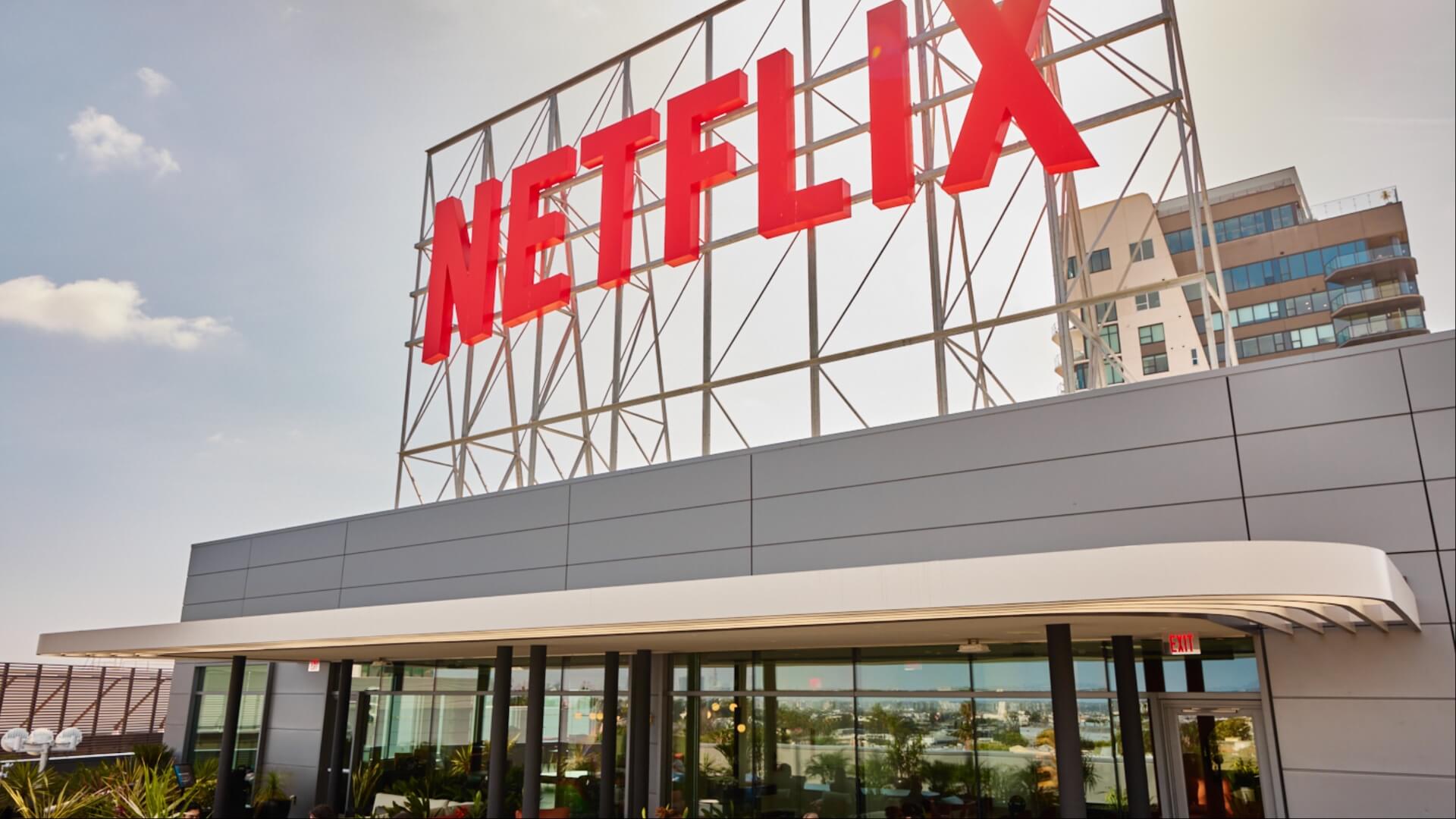
The landscape of Hollywood is undergoing a rapid transformation marked by significant consolidation, a trend that has accelerated in recent years. This period has seen major players engaging in strategic acquisitions, notably Skydance's move to acquire Paramount and, more recently, Netflix's ambitious attempt to acquire Warner Bros. Such mergers are dramatically shrinking the number of major studios, prompting considerable concern across the entertainment industry.
Among the most vocal critics of this accelerating consolidation are movie theater owners, who foresee dire consequences for their industry and the broader cinematic experience. In a compelling testimony delivered to the Senate antitrust committee, representatives from the nation's exhibitors vehemently condemned Netflix's proposed acquisition of Warner Bros., characterizing it as "economically and culturally catastrophic."
Their testimony elaborated on the extensive negative ramifications expected from such large-scale mergers. Exhibitors warned that consolidation would inevitably lead to "fewer theatres," thereby reducing venues for cinematic releases. They also predicted "shorter windows" for theatrical exclusivity, further eroding the traditional model of film distribution. Furthermore, they projected "less revenue" for theaters, a decrease in "fewer jobs across the national and global entertainment industry," and ultimately, "fewer movies for consumers to see in theatres." This comprehensive critique highlighted the potential ripple effect across production, distribution, and consumption of films.
During the same hearing, Netflix's Ted Sarandos also faced unrelated criticism from Republicans regarding content deemed "the wokest content in the history of the world." However, the concerns raised by the exhibitors were deemed a more pertinent and impactful critique, directly addressing the structural changes and potential monopolistic tendencies within the industry, which could fundamentally alter how films are made, distributed, and experienced by the public.