Netflix's New 8-Part Thriller Unveils Horrifying True Story in Darkest Ways Imaginable!
Netflix's "Wayward" transcends a typical crime thriller to become a chilling critique of the "troubled teen" industry, drawing on real-life abuses, neglect, and tragic outcomes. Inspired by creator Mae Martin's personal experiences, the series masterfully blends surreal horror with factual historical accounts of institutional mistreatment, delivering a compelling and deeply unsettling psychological drama.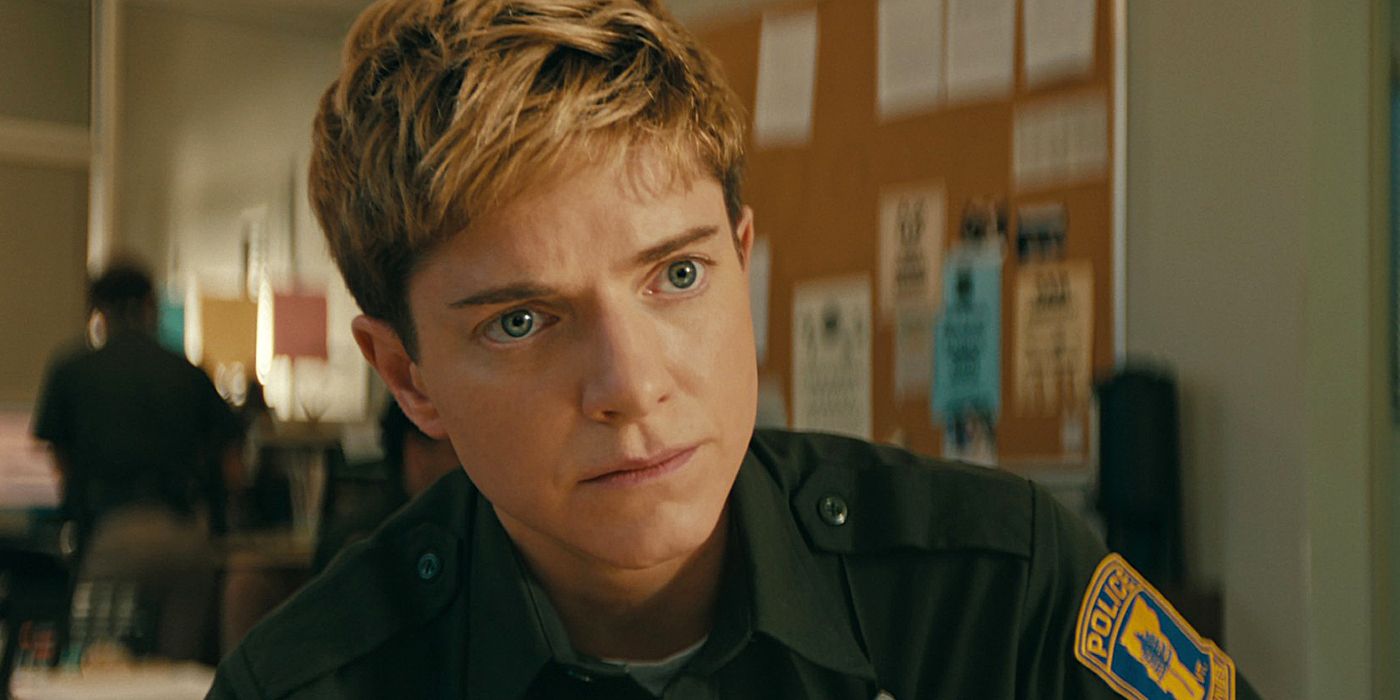
The Netflix series “Wayward” initially presents itself as a typical crime thriller involving missing teens and a police investigation, but it quickly delves into a much darker and more sinister narrative. Beyond the surface, the show, starring Toni Collette as an intimidating headmistress, explores inexplicable events involving toad venom and cultist behavior in the small town of Tall Pines. However, the true horror of “Wayward” lies in its profound critique of the “troubled teen” industry, an industry rife with decades-long abuses that are only now coming to light.
These “troubled teen” programs are far from mere boarding schools with strict rules; they are institutions with a documented history of abuse, neglect, and even fatal outcomes, often masquerading as “behavioral reform.” “Wayward” deliberately exposes the horrors lurking behind the closed doors of such facilities. The authenticity of these terrifying elements is largely due to the personal experiences of the show’s creator and star, Mae Martin. Combined with Collette’s menacing portrayal and a cast of vulnerable teens navigating treacherous moral landscapes, “Wayward” transforms into a psychological thriller that uses real-life atrocities to inspire its nightmarish plot.
Hawthorne Academy, the fictional institution in “Wayward,” features an over-the-top yet disturbingly familiar depiction of an abusive environment. Led by Collette’s tyrannical headmistress, who echoes figures like Charles Manson, the academy employs maladjusted counselors and imposes strange dietary restrictions. Despite these exaggerated elements, the most chilling aspect is how much of it is borrowed directly from reality. Real “troubled teen” programs have horrifying rap sheets, such as Trinity Teen Solutions in Wyoming, which paid a multi-million-dollar settlement after former students reported forced grueling labor and punishment disguised as therapy. In Utah, at least seven teenagers have died in treatment facilities since 2021, some from preventable illnesses, others while under watch for suicidal thoughts, underscoring how easily vulnerable youth become casualties within these systems.
Despite these grim realities, dozens of schools and “wilderness programs” continue to operate across the U.S. under deceptive labels like “therapy” or “behavioral intervention.” Behind this marketing façade, they often employ tactics reminiscent of cults: public shaming, forced isolation, and intense psychological pressure. Many of these practices can be traced back to 1970s self-help experiments like Synanon, which provided a blueprint for control and indoctrination now adopted by the modern teen rehab industry. Documentaries such as Netflix’s “The Program: Cons, Cults, and Kidnapping,” HBO’s “Teen Torture Inc.,” and Paris Hilton’s “Hell Camp” confirm that these abuses are not historical but are happening currently, often hidden in plain sight. Survivors recount being cut off from families, coerced into confessions, and subjected to “therapies” that resemble brainwashing. “Wayward” effectively dramatizes this gaslighting and control, allowing viewers to feel the horror rather than just read about it in news reports or legal documents.
Mae Martin’s deep personal connection to the subject matter imbues “Wayward” with its uncanny realism. Martin revealed to Netflix Tudum that their own experiences as a “wayward teen” in the early 2000s and a close friend’s time in a real “troubled teen” institute sparked their obsession with the industry. This personal history grounds the series’ surreal paranoia, enhancing the goosebump-inducing details of how authority morphs into abuse, trust is weaponized, and a supposedly safe haven transforms into a prison.
The show demonstrates a keen awareness of history, mirroring Synanon’s “games” — which involved brutal mutual judgments — in its own punishing group sessions. The abduction of the character Abbie in “Wayward” directly parallels Paris Hilton’s testimony of being forcibly removed from her bedroom and sent to Provo Canyon. The series also draws from other documented cases, such as the horrors of Florida’s Dozier School, revisited in Colson Whitehead’s “The Nickel Boys,” where generations of children suffered abuse under the guise of reform.
“Wayward” masterfully distills these real-life echoes into a fictional campus that feels chillingly close to reality. It skillfully balances surreal elements with factual inspirations, making it compelling and engaging without feeling like a didactic exposé. The series is a Lynchian blend of mystery, horror, and psychological drama, offering binge-worthy entertainment through its pacing and characters while simultaneously delivering a crucial cultural reckoning. Unlike journalistic documentaries that meticulously expose this world, “Wayward” wraps the same critical message in a thrilling package, making the past’s abuses feel intensely present.