Anthropic CEO Draws Line Over Pentagon AI Project
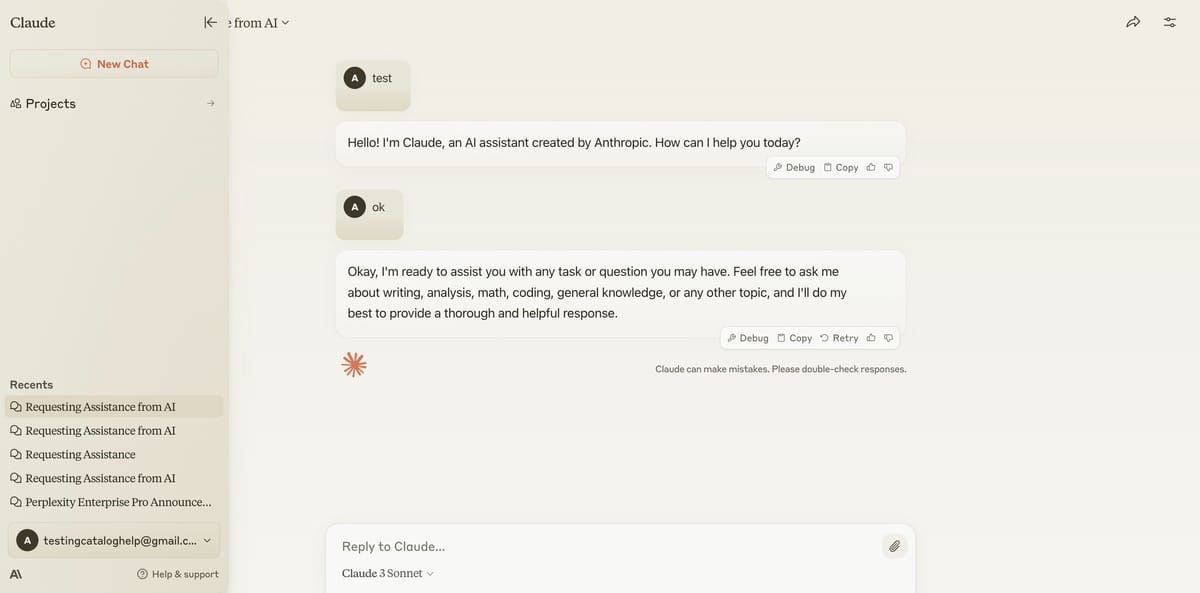
Anthropic is locked in a standoff with the Pentagon, refusing wider use of its AI technology, Claude, citing concerns over mass surveillance and autonomous weapons. Despite threats of contract termination and being labeled a supply chain risk, the AI company maintains its stance, while the Pentagon insists on using the technology for lawful purposes by a Friday deadline. This dispute has drawn criticism from senators who highlight the need for proper AI governance in national security.A major standoff has emerged between Anthropic and the U.S. Department of Defense over the use of Anthropic’s AI chatbot, Claude.
CEO Dario Amodei stated Thursday that the company“cannot in good conscience accede” to Pentagon demands for broader deployment, citing concerns that contract language fails to prevent Claude’s use in mass surveillance or fully autonomous weapons—both prohibited under Anthropic’s internal policies.
The dispute, which has been escalating for months, comes with a Friday deadline set by the Pentagon.
Spokesman Sean Parnell emphasized that the military intends to use Claude only in “lawful ways” and will not allow a company to dictate operational decisions, suggesting that limitations could affect critical military operations.
During a Tuesday meeting with Pete Hegseth, military officials reportedly warned Anthropic of consequences, including contract termination, being designated a supply chain risk.
The invocation of the Cold War-era Defense Production Act, which could allow the military to use Anthropic’s technology regardless of company approval.
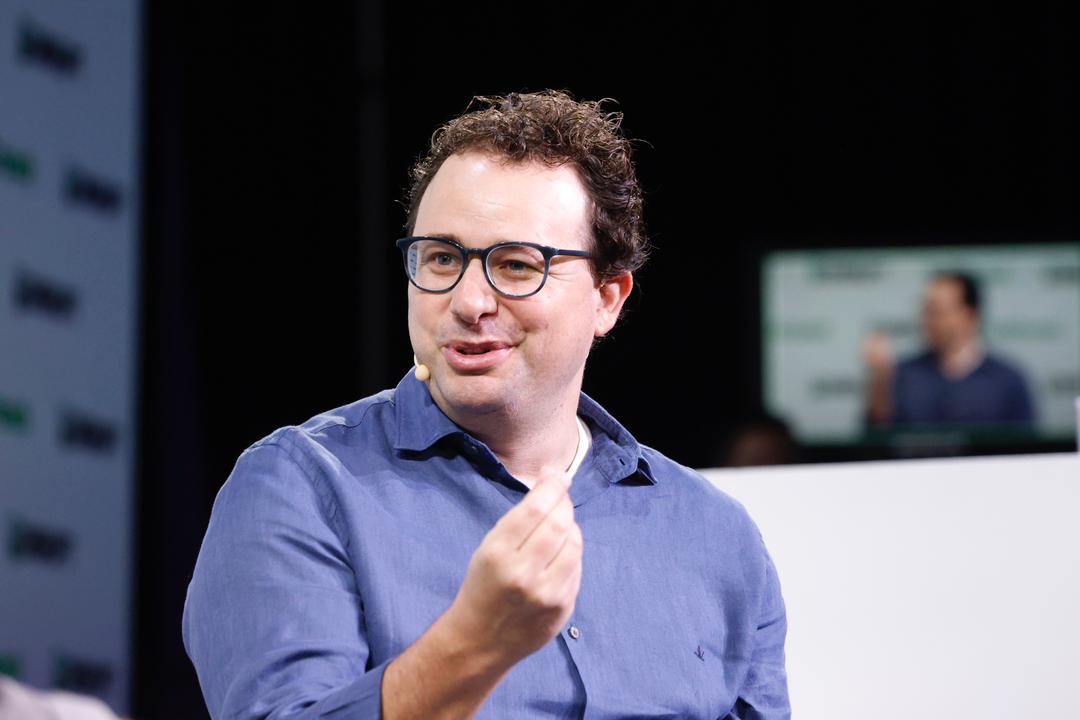
Amodei highlighted the contradiction, noting that the Pentagon simultaneously labels the company a risk and its AI as essential to national security.
Anthropic is the last among major AI companies—including Google, OpenAI, and Elon Musk’s xAI—to resist supplying its AI to the Pentagon’s new internal network.
Amodei expressed willingness to support a smooth transition to another provider if no agreement is reached, emphasizing the value of Claude to armed forces operations.
The public nature of the disagreement has drawn criticism from Capitol Hill.
Senator Thom Tillis called the Pentagon’s handling “unprofessional” and urged private dialogue.
Senator Mark Warner expressed being “deeply disturbed” by reports of Pentagon attempts to pressure Anthropic, citing the need for robust AI governance mechanisms in national security.
This debate aligns with Defense Secretary Hegseth’s earlier remarks advocating for legal guidance to support military operations without compromising constitutional considerations.