African Leaders Call for Restraint and Dialogue as Middle East Tensions Escalat
The Middle East is grappling with escalating tensions following US-Israel military strikes on Iran and Iran's retaliatory actions, including the alleged assassination of its Supreme Leader. This crisis carries significant geopolitical and economic risks globally, with African nations like Ghana and Zambia bracing for potential impacts on fuel prices and economic stability. International experts are calling for urgent diplomatic resolution and the preservation of multilateralism to prevent further destabilization and global economic shocks.
The Middle East is facing a sharp escalation after a series of coordinated attacks by the United States and Israel against Iran triggered retaliatory strikes and widening violence across the region.
It followed by swift retaliation from Tehran.
The conflict has raised global concern, with potential geopolitical and economic impacts, especially for African countries.
The current confrontation spiraled into open conflict on February 28, 2026, when the United States and Israel launched coordinated military strikes against Iran, targeting key military facilities and nuclear-related infrastructure, as well as Iranian cities.
A joint US-Israeli strike reportedly killed Iran’s Supreme Leader, Ayatollah Ali Khamenei.
In retaliation, Iran launched missile and drone attacks on Israel and US bases, while allied militias like Hezbollah carried out cross-border strikes, escalating the conflict and disrupting key shipping routes, including the Strait of Hormuz.
Iran strongly condemned the strike, calling it a “cowardly assassination” and violation of international law. Its Ambassador to Ghana, Ali Ghomshi, alleged that civilian sites, including hospitals, Red Crescent facilities, and schools, were bombed, with over 150 girls reportedly killed at Minab school.
Iran has invoked its inherent right to legitimate self-defence under the United Nations Charter, specifically citing a violation of Article 2, Paragraph 4, and has issued a stern ultimatum to neighbouring countries to remain neutral, demanding they refrain from offering their airspace and logistical facilities to the aggressors.
Ali Larijani, Secretary of the Supreme National Security Council, further asserted that Iran, unlike the United States, is prepared for a “long war” and rejected any negotiations with the U.S., emphasizing Iran’s defensive stance and claiming it did not initiate the conflict.
Renowned international relations expert and security analyst Prof. Vladimir Antwi-Danso has criticised the African Union’s (AU) silence following the assassination of Iran’s Supreme Leader, Ayatollah Ali Khamenei and argued that retaliatory attacks by Iran are justified.
Speaking as the Middle East teeters on the brink of total war, Prof. Antwi-Danso argued that under international law, Iran has a "legitimate right" to strike U.S. and Israeli military installations across the Gulf States.
Prof. Antwi-Danso questioned the legality of the US strike that killed Ayatollah Khamenei, citing Iran’s right to self-defense under the UN Charter, and criticized the AU’s silence due to its reliance on Western funding.
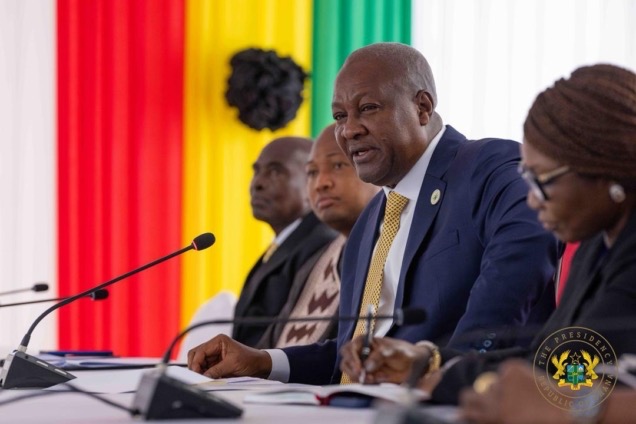
African leaders, worried about economic fallout, called for peace, with Ghana’s President John Mahama urging an end to hostilities and a return to dialogue.
President John Mahama has issued a passionate appeal for the cessation of hostilities in the Middle East, urging the warring parties, the United States, Israel, and Iran, to return to dialogue as the escalating conflict threatens to inflict economic pain on African nations, speaking Speaking during a bilateral meeting with Tanzanian President Samia Suluhu Hassan.
Zambia’s President Hichilema said his country does not support war and hopes for a quick end to hostilities.
He warned the crisis could raise global fuel prices and affect Zambia’s economy, but affirmed the government is working to keep the economy stable.
Ghana, in particular, has taken decisive action and is bracing for potential fallout.
Ghana has successfully evacuated all its embassy staff from Iran following the intensifying conflict involving the United States and Israel, Foreign Affairs Minister Samuel Okudzeto Ablakwa has announced.
Prof. Vladimir Antwi-Danso warned that Ghana could face economic instability from the Middle East conflict, with rising oil prices, inflation pressures, and strain on foreign exchange reserves.

He also highlighted risks to Ghana’s economy if the dollar or banking sector is impacted.
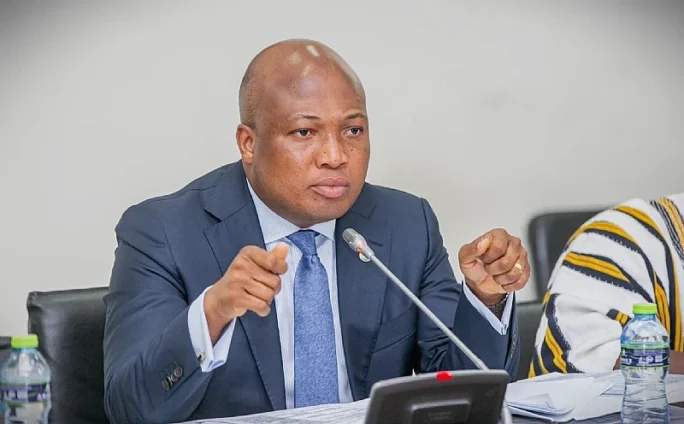
Chief Executive of the Ghana Chamber of Oil Marketing Companies, Dr. Riverson Oppong, has assured that Ghana is unlikely to face an immediate fuel shortage despite rising tensions in the Middle East.
Speaking in an interview on Joy FM’s Top Story, Dr. Oppong explained that Ghana sources most of its fuel from Western markets, not the Gulf region.
“In the worst-case scenario, Ghana would not be affected by the unavailability of fuel since we don’t depend on the Gulf for our supply.
Our imports primarily come from the Western market, including Abu Dhabi and the southern hemisphere,” he said.
Dr. Oppong noted, however, that the main concern for Ghana is the potential rise in international benchmark prices.
Prof. Antwi-Danso warned that the Middle East conflict could fuel global terrorism and destabilize the international order if it draws in more states.
He highlighted risks of escalation by US allies and direct involvement in Iran, comparing it to past crises like ISIL in Iraq and extremism in the Sahel.
He urged urgent global action to uphold multilateralism, strengthen the UN system, and prioritize diplomacy to prevent prolonged regional and worldwide consequences.