Malawi's Looming Crisis: Nation Faces Just 15 Days of Fuel
Malawi has reached a five-year high with 15 days of fuel reserves, a significant step towards stabilizing supply. While this progress is commendable, experts urge further action to increase reserves to last for months, with the government planning to target 30 days to curb black market prices and ensure long-term energy security.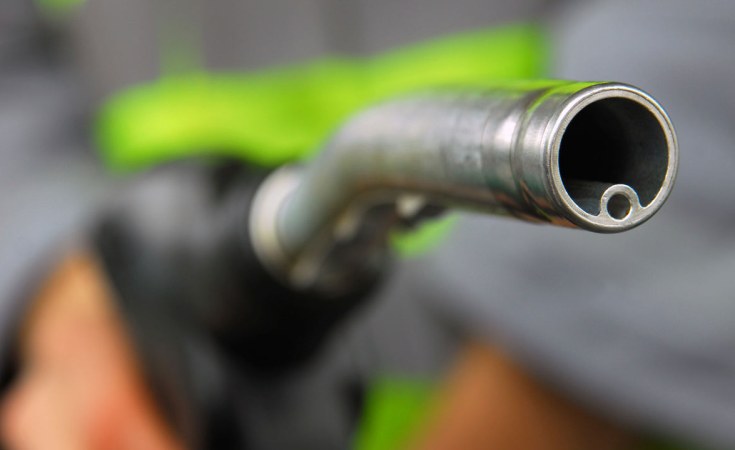
Malawi has achieved a significant milestone by securing fuel reserves that can last the country for 15 days, marking the first time in approximately five years that such a level has been reached. This improvement reflects coordinated efforts by the government to stabilize fuel supply and restore confidence in the nation's fuel management systems.
Justin Saidi, Chief Secretary to the President and Cabinet, highlighted the progress, stating, "We are seeing progress in ensuring that fuel is available and that disruptions are minimised. Reaching a 15-day fuel cover is a major step forward, especially considering that the country has gone for years without any meaningful reserves." Despite this positive development in supply, fuel prices continue to climb, placing considerable financial strain on Malawian citizens.
Energy expert Kossam Munthali acknowledged the government's advancements but emphasized that a 15-day reserve is still insufficient for long-term stability. "A country cannot function properly when fuel availability is uncertain. What is important now is to build on this progress and move towards reserves that can last for months, not just days," Munthali advised.
In response to these concerns, the government has confirmed plans to double the fuel reserves from 15 days to 30 days. Saidi explained that this increased fuel cover is expected to not only stabilize commodity prices but also help curb the high prices prevalent on the black market, which continue to disproportionately affect ordinary Malawians.
Economist Abel Mwenibanda welcomed the development but cautioned against complacency. He urged authorities to proactively address persistent logistical and foreign exchange challenges that impede efficient fuel procurement. Mwenibanda also called upon the government to allocate dedicated funds during the upcoming Parliamentary budget session to ensure long-term fuel security for the nation. While the current 15-day reserve is a commendable step forward, experts universally agree that Malawi remains vulnerable, stressing the necessity of sustained efforts to prevent future shortages and maintain a consistently stable fuel supply for the country.