M-Pesa's Game-Changer: Safaricom Unleashes Stock Trading for Millions!
Safaricom has launched Ziidi Trader, a new stock-trading feature on its M-Pesa mobile platform, enabling 35 million users in Kenya to buy shares on the Nairobi Securities Exchange without a traditional brokerage account. This initiative, in partnership with Kestrel Capital, has quickly captured 40% of trades on the exchange, aligning with Kenya's equity rally and President Ruto's push for broader market participation. The service aims to democratize access to capital markets, expanding M-Pesa's financial offerings and signaling a shift toward mass retail investment in Africa.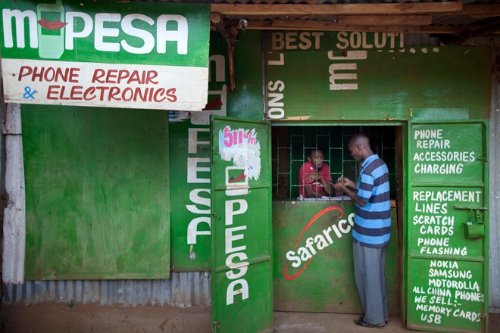
Safaricom has significantly expanded the financial services available on its M-Pesa mobile platform by launching a new stock-trading feature called Ziidi Trader. This innovative service, introduced in partnership with Nairobi-based brokerage firm Kestrel Capital, allows M-Pesa's vast user base to buy shares listed on the Nairobi Securities Exchange without the traditional requirement of opening a separate brokerage account.
M-Pesa, which first launched in 2007, currently serves approximately 35 million users across Kenya. Over the years, it has evolved beyond basic money transfers to offer a comprehensive suite of savings, banking, and investment products. The integration of stock trading within the M-Pesa app is specifically designed to target small retail investors, democratizing access to capital markets.
Since its recent launch, Ziidi Trader has demonstrated a rapid impact on the Nairobi Securities Exchange, accounting for an average of 40 percent of trades. This represents approximately 5 percent of the total daily trading volume, highlighting its growing influence. The timing of this rollout is strategic, coinciding with a rally in Kenyan equities, which has been buoyed by increased allocations to emerging markets. Furthermore, the initiative aligns with President William Ruto’s broader objective to enhance citizen participation in capital markets, a key policy push ahead of next year's presidential election.
This move by Safaricom marks a pivotal shift toward enabling mass retail participation in African capital markets through mobile platforms. Kenya already boasts one of the continent's most developed digital payment ecosystems, and integrating trading into M-Pesa effectively lowers entry barriers by eliminating paperwork and reducing the friction typically associated with account opening. While Safaricom has not disclosed specific user number expectations or plans for expansion to other M-Pesa markets like Ethiopia, the potential for impact is significant.
If adopted widely, this model could substantially deepen liquidity on the Nairobi exchange and broaden the investor base beyond traditional institutional and high-net-worth clients. Increased retail activity, while capable of boosting turnover, may also introduce more volatility during periods of market fluctuation. For Safaricom, Ziidi Trader represents a strategic expansion of its fee-based revenue streams, moving beyond its core telecom services and payments. For policymakers, this initiative supports vital goals of financial inclusion and domestic savings mobilization. Looking ahead, key challenges will involve effective user education, robust investor protection measures, and the ability of regulators to oversee a potential surge in small-ticket digital trading.