Luxury Boom: Southern Europe's Travel Sector Soars with High-Yield Charters!

The inbound tourism landscape to Africa is undergoing a profound transformation, marked by a strategic pivot towards Southern European source markets. Recent industry engagements, particularly the Africa Showcase Southern Europe, have firmly established Portugal, France, and Italy as rapidly evolving critical growth engines for the continent's tourism sector. This shift complements the traditional reliance on Northern European markets, introducing a dynamic, culturally aligned, and high-spending demand from the South. For African destination management companies and tour operators, a nuanced understanding of these markets—encompassing historical connections, cultural preferences, and a burgeoning demand for luxury experiences—is paramount to effectively capitalise on the next phase of tourism recovery anticipated from 2026 onwards. The market intelligence gathered from the mid-February roadshow, which featured a revamped, buyer-focused format, indicates that the Southern European region is exceptionally ripe for aggressive expansion, further supported by increased airlift capacity and charter operations that bridge the distance between European hubs and African leisure destinations.
Portugal has emerged as a particularly standout performer, driven by a unique synthesis of deep historical affinity and emotional connection. Unlike other European nations where travel decisions might be purely transactional or leisure-based, Portuguese travellers often maintain profound ties with Lusophone Africa, including nations such as Angola, Mozambique, and Cape Verde. However, the market’s horizons are rapidly expanding beyond these traditional connections. Contemporary intelligence highlights a surging interest among Portuguese tourists for diverse beach holidays, creating a robust pipeline for coastal destinations like Zanzibar and Mombasa. This demand is substantiated by concrete data, with seat capacity for upcoming summer charter flights to Zanzibar already heavily booked, signaling a record-breaking season. Beyond the mass leisure market, significant opportunities exist within the burgeoning incentive travel sector in Portugal, where corporate groups increasingly favour itineraries that blend adventure with cosmopolitan experiences. Consequently, Kenya, Tanzania, and South Africa are strategically positioned to benefit significantly from this trend, leveraging the popular "beach and bush" formula while also exploring growing appetites for distinct cultural experiences by packaging heritage with leisure.
The narrative for France shifts towards substantial long-haul growth and a sophisticated luxury segmentation. The French market is demonstrating a robust renewal of interest in African travel, evidenced by significantly climbing long-haul departure figures. A distinctive characteristic of the current French traveller is a clear bifurcation in destination preference based on their prior experience levels. While first-time visitors continue to be drawn to Kenya for its iconic safari appeal, the more seasoned and affluent French traveller actively seeks product diversity and exclusive experiences. This demand has opened considerable avenues for Rwanda and Uganda to capture the high-end market, where competitive pricing for luxury experiences offers immense value when compared to other global regions. Successfully penetrating the French luxury sector, however, necessitates more than just premium inventory; it demands a strategic cultural pivot from African suppliers. Success is intrinsically linked to linguistic adaptation and a strong digital presence. French travellers, particularly within the luxury bracket, prioritise ease of communication. Suppliers who invest in French-language marketing collateral and maintain a visible presence on francophone digital platforms are consistently observing higher conversion rates. The clear message to the trade is that sporadic promotional efforts are insufficient; building a strong foothold in France requires sustained, long-term engagement strategies that communicate directly and authentically with clients in their native tongue, thereby fostering comfort and trust even before their journey begins.
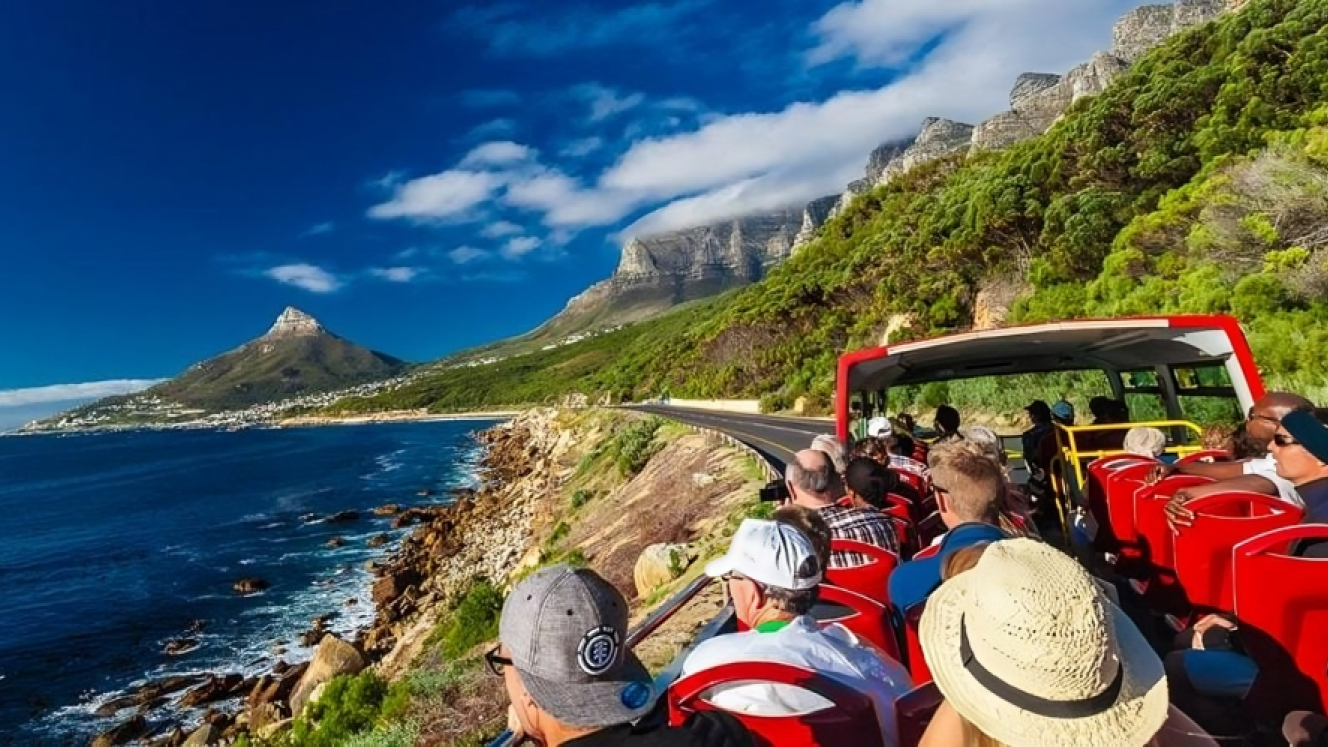
Italy remains a formidable powerhouse for volume, underpinned by an enduring passion for the classic safari and beach combination. This market is characterised by its reliability and the sheer scale of its charter operations. Kenya continues to hold its position as the undisputed leader for Italian arrivals, with numbers approaching pre-pandemic highs, largely facilitated by direct access to its coastlines. Similarly, South Africa retains a non-negotiable spot on the Italian bucket list, with the vibrant city of Cape Town serving as the essential anchor for almost all itineraries. The Italian traveller, while generally less experimental than their French counterparts, exhibits strong loyalty to destinations that consistently deliver high-quality wildlife viewing and exceptional coastal relaxation experiences. A critical insight for African stakeholders is the evolving structure of trade engagement in Italy. There is a noticeable concern regarding the reduced visibility of African tourism boards, with budget constraints often limiting their market presence. This vacuum has effectively altered the supply chain, transferring greater responsibility and influence to private sector operators and destination management companies. Consequently, for African businesses, cultivating direct relationships with Italian trade partners has become more valuable than ever. In the absence of robust national destination marketing, the private sector is compelled to step up and provide the comprehensive trade training and in-depth product knowledge that Italian agents critically need to effectively market and sell African destinations.
The evolution of the Africa Showcase itself, marked by the inclusion of Portugal for the first time and the adoption of a semi-structured, interactive format for future editions, reflects the changing nature of the business. This departure from rigid trade show models signifies that buyers are increasingly demanding more meaningful, targeted interactions rather than generic presentations. This broader industry shift towards prioritising quality over mere quantity in B2B engagements mirrors similar trends observed in B2C booking behaviours, where both travellers and agents seek tailored, highly relevant solutions. As the tourism industry looks towards the remainder of the current year and into 2027, the strategic diversification of source markets will undoubtedly be a defining characteristic of successful African tourism businesses. The Southern European corridor, with its compelling mix of high volume via charter operations and significant value through the French luxury trade, presents an unparalleled opportunity. By meticulously tailoring products and marketing strategies to meet the specific emotional and logistical preferences of Portuguese, French, and Italian travellers, African operators can unlock a vast reservoir of demand that is both culturally receptive and economically potent. The future of African tourism success belongs to those who look beyond traditional strongholds and actively embrace the vibrant, untapped potential of the Mediterranean outbound market.
You may also like...
Iwobi's Fulham FA Cup Heroics: Midfielder Hits Major Milestone in Thrilling Escape
)
Alex Iwobi celebrated his 100th appearance for Fulham by playing a pivotal role in their dramatic 2-1 FA Cup comeback vi...
Wuthering Heights Box Office Bonanza: Dominates Global Charts with $82 Million Haul

Emerald Fennell's 'Wuthering Heights' dominated the global box office with an $82 million debut, offsetting mixed domest...
New Video Game 'Relooted' Lets Players Reclaim Stolen African Artifacts

"Relooted," a new video game from South African studio Nyamakop, tackles the timely political topic of artifact restitut...
Ethiopia's Bold Maritime Strategy Rocks Regional Power Balance

The political economy of the Horn of Africa is undergoing a profound structural transition, marked by Ethiopia's strateg...
Behind the Scenes: The 'Outrageous' Making of 'Good Luck, Have Fun, Don't Die'

Director Gore Verbinski opens up about the challenging, low-budget production of his original sci-fi comedy 'Good Luck, ...
Aviation Comeback: Iconic Boeing 747 Returns to Skies with Nigerian Carrier!

In a unique reversal of global aviation trends, a Boeing 747-400, registered 5N-HMM, has returned to service for Nigeria...
Luxury Boom: Southern Europe's Travel Sector Soars with High-Yield Charters!

Africa's inbound tourism is strategically pivoting towards Southern European markets, identifying Portugal, France, and ...
Massive Growth: Sam Altman Reports 100 Million Weekly ChatGPT Users in India

India has become OpenAI's second-largest global market, boasting 100 million weekly active ChatGPT users, as CEO Sam Alt...