Aviation Comeback: Iconic Boeing 747 Returns to Skies with Nigerian Carrier
In a unique reversal of global aviation trends, a Boeing 747-400, registered 5N-HMM, has returned to service for Nigeria's Max Air after six months in desert storage. This "Jumbo Jet" reactivation boosts West African capacity, leveraging its high passenger volume for critical long-haul routes like pilgrimages, despite most airlines retiring the iconic model.
In a significant and inspiring development for the West African aviation sector, a massive Boeing 747-400, registered as 5N-HMM and operated by the Nigerian airline, Max Air, has officially returned to the skies.
This remarkable event follows six months of storage in the United States and signals a substantial boost in capacity for the region, starkly contrasting the prevalent global trend of retiring these iconic "Jumbo Jets."
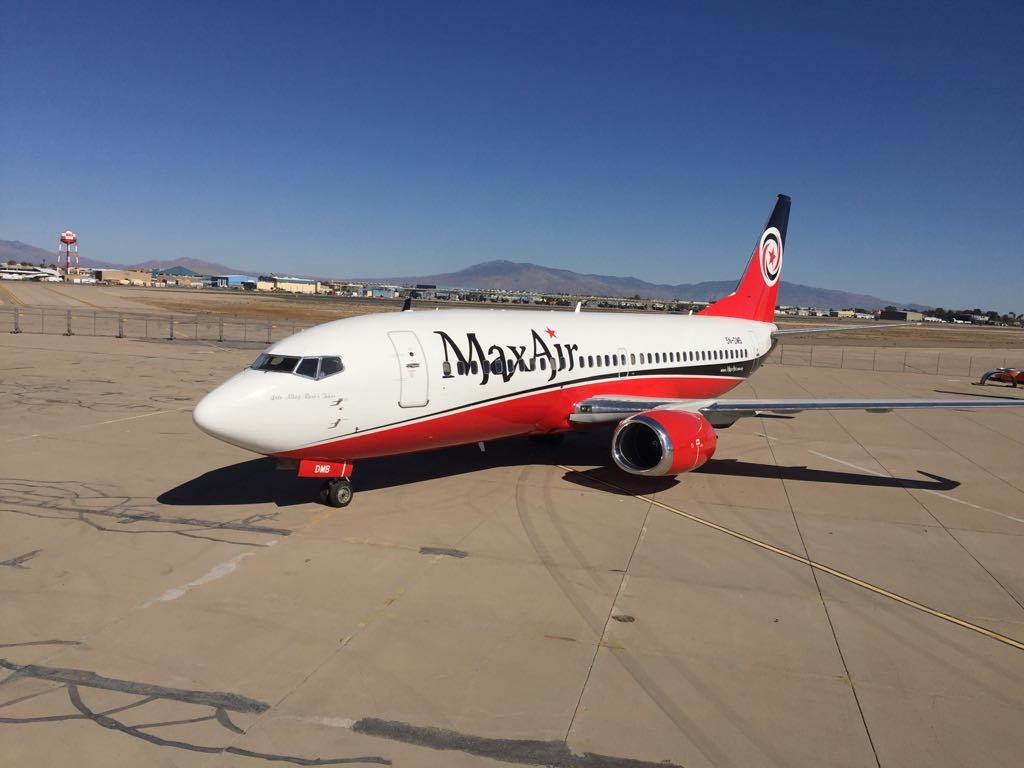
The aircraft had been stored atPinal Airpark, a vast facility in Arizona often referred to as a "boneyard" or reclamation facility where large airplanes typically go when their active flying lives are over.
Situated between Phoenix and Tucson, this location is famous in the aviation world for its role in storing, maintaining, and scrapping aircraft. For many planes, arrival at this arid desert destination marks a definitive end, with rows of silent aircraft sitting under the hot sun, their windows taped and engines covered.
However, defying these common expectations, on February 11, 2026, the Max Air Boeing 747-400 powered up its four engines. Flight tracking data confirmed the aircraft's movement to a nearby runway before it took off as Flight VM611 just before 11:00 p.m. local time.

Its flight plan charted a long, 13-hour journey across the Atlantic Ocean to Kano, Nigeria, officially marking the resurrection of the aircraft and its return to active duty for passenger transport.
The significance of this reactivation is amplified by the unique environmental conditions of Pinal Airpark. Located in the Sonoran Desert, approximately 30 minutes north of Tucson, its extreme dryness makes it an ideal location for protecting metal aircraft from corrosion and rust.
Airlines worldwide send their unused planes here for storage, with some maintained for future use, but many ultimately disassembled for parts or scrap metal. The landscape of colorful tail fins against the beige desert backdrop creates a striking image for aviation experts, resembling a scene from a movie.
The return of the Max Air 747 is particularly notable because most major global airlines have long since phased out this model. Carriers like United Airlines and Delta Air Lines retired their last Boeing 747 fleets years ago, often sending them to the very same facility in Marana, Arizona, where they were typically sold or scrapped shortly after arrival.
By bringing 5N-HMM back into service, Max Air is demonstrating a unique strategy that capitalizes on the Jumbo Jet's high passenger capacity.
This capacity is likely intended for high-demand operations, such as the Hajj and Umrah pilgrimages, offering new opportunities for African travel professionals. The Boeing 747's renowned ability to carry hundreds of passengers and large volumes of cargo over long distances suggests Max Air is preparing for a busy season and investing in its long-haul capabilities.
In a market where seat availability can be scarce, the addition of a widebody aircraft of this size provides much-needed relief and expanded options for travelers departing from Kano and other Nigerian hubs.
The process of reactivating a sleeping giant like a 747 is complex, requiring rigorous checks and extensive maintenance to ensure the aircraft is safe after prolonged idleness in the desert heat. Pinal Airpark offers these comprehensive maintenance services alongside its storage options.
The successful departure of 5N-HMM confirms that the aircraft was meticulously preserved and is fully ready to meet the stringent safety standards demanded by international commercial aviation.
This successful reactivation highlights the resilience and efficient fleet management strategies of African carriers. As the industry evolves, the sight of this "Queen of the Skies" operating in West Africa will serve as a powerful symbol of aviation growth.
While much of the global aviation industry transitions towards smaller, more fuel-efficient twin-engine jets, the specific needs of the African market—particularly the efficient movement of large groups of people—continue to keep these legendary aircraft relevant.
The return of 5N-HMM is not merely a technical achievement; it represents a commitment to connectivity and continued service for thousands of passengers in the region.