Kenya Unleashes New Era of Crypto Regulation with Landmark Virtual Asset Bill
Kenya has enacted its first comprehensive crypto regulation, the Virtual Asset Service Providers Act, 2025, licensing and overseeing digital asset services. This move, placing the sector under the CBK and CMA, aims to legitimize virtual assets, attract investment, and enhance consumer protection while curbing illicit activities. The law positions Kenya as a potential gateway for crypto in Africa, despite potential challenges for smaller operators.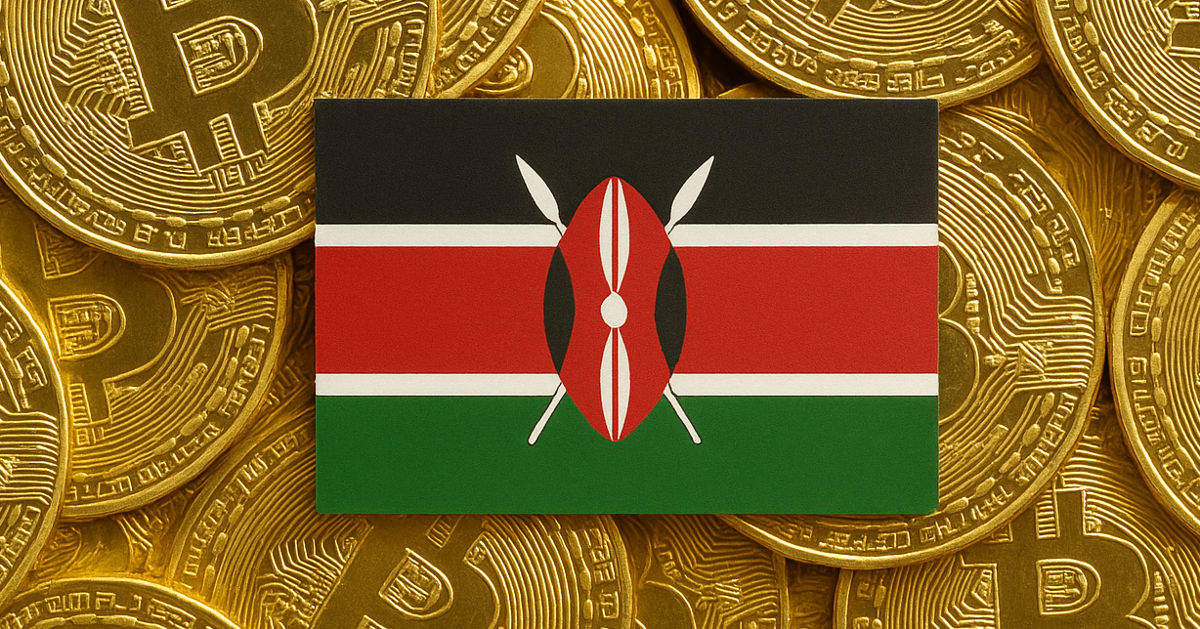
Kenya has officially ushered in a new era for digital assets with the signing of the Virtual Asset Service Providers Act, 2025, by President William Ruto. This landmark legislation establishes the nation's first comprehensive regulatory framework for cryptocurrencies, aiming to bring clarity and oversight to a rapidly expanding sector. The new law mandates the licensing and regulation of various virtual asset service providers, including crypto exchanges, wallet providers, brokers, and payment processors that operate within or from Kenya.
The Act places the fast-growing digital asset sector under the joint oversight of two primary regulatory bodies: the Central Bank of Kenya (CBK) and the Capital Markets Authority (CMA). Specifically, the CBK will be responsible for supervising payment processors and stablecoin issuers, while the CMA will oversee trading platforms, investment advisers, and asset managers. Both agencies are tasked with ensuring strict compliance with anti-money laundering (AML) protocols and robust consumer protection standards, aiming to mitigate risks associated with digital assets.
This legislative move follows years of regulatory uncertainty for Kenya’s crypto industry, where major platforms like Binance and Paxful have previously operated without explicit guidelines. The Virtual Asset Service Providers Act, 2025, now requires all providers to obtain a license, maintain audited records, and adhere to stringent capital and cybersecurity requirements. Operating without a license will henceforth be deemed illegal, signaling a firm stance by the government on formalizing the sector.
For Bitcoin and other virtual asset users, the new framework brings significant benefits, particularly in terms of security and trust. Licensed platforms are now required to segregate client funds, hold adequate reserves, and implement measures to protect customer data. Furthermore, the law mandates strict Know-Your-Customer (KYC) checks, comprehensive record-keeping, and the reporting of suspicious transactions to actively combat money laundering and terrorism financing. Violations of these provisions can lead to substantial fines of up to KES 20 million (approximately $130,000) or imprisonment.
Kenya’s embrace of comprehensive crypto regulation positions it alongside other pioneering African nations like South Africa, which established its own crypto licensing regime in 2023. Analysts suggest that this forward-thinking law could significantly attract new investment into the country and further legitimize digital assets within East Africa’s largest economy. Kuria Kimani, chair of the parliamentary finance committee, expressed optimism, stating, “We are hoping that Kenya can now be the gateway into Africa,” highlighting the potential for regional leadership in the digital asset space, especially given that many young Kenyans between 18 and 35 actively utilize virtual assets for trading, payments, or investment.
The growth of crypto use in Kenya has been notable, with Chainalysis reporting that the country ranked fourth in Africa by transaction volume between July 2024 and June 2025, receiving nearly $20 billion in crypto assets. This surge is underpinned by Kenya's robust digital finance culture, exemplified by the widespread adoption of M-PESA, a mobile money platform used by over 96% of households, which has paved the way for broad digital payments adoption. However, the new regulatory environment may present challenges for smaller operators. The costs associated with licensing and compliance obligations could potentially lead to some local exchanges and informal traders being forced out of the market.