Kenya's Economy Shifts: Central Bank Dives into Tenth Rate Cut!
The Central Bank of Kenya has cut its benchmark interest rate for the tenth consecutive time to 8.75%, aiming to stimulate private sector lending and credit growth. This decision follows a decline in inflation to 4.4% in January, remaining within the bank's target range. The move supports an economy projected to grow by 5.5% this year.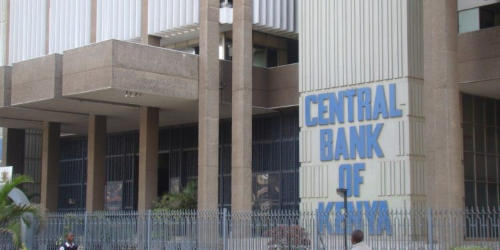
The Central Bank of Kenya (CBK) has implemented its tenth consecutive interest rate cut, reducing the benchmark rate by 25 basis points to 8.75 percent from 9.00 percent. This decision, announced by the Monetary Policy Committee (MPC) on February 14, 2026, aims to stimulate credit growth and bolster lending to the private sector, reinforcing earlier measures designed to support economic activity.
This latest rate reduction comes amidst a favorable inflation environment. Kenya's year-on-year inflation decreased to 4.4 percent in January, a slight decline from 4.5 percent in December. Crucially, this rate remains comfortably within the Central Bank's target range of 2.5 percent to 7.5 percent, providing policymakers with the flexibility to prioritize economic growth.
Kenya's economy has demonstrated robust expansion, consistently growing at approximately 5 percent annually. The Central Bank projects further growth, forecasting 5.5 percent for the current year and 5.6 percent in 2027. This is an increase from an estimated 5.0 percent last year, though the 2025 outlook was slightly revised down from 5.2 percent due to weaker agricultural output experienced in the third quarter of the previous year. Agriculture continues to be a pivotal driver of output and employment, making the economy susceptible to weather-related shocks, with meteorological authorities flagging a potential drought that could impact food supply and inflation later in the year.
In addition to the rate cut, the CBK also narrowed the interest rate corridor around the policy rate. It was reduced to plus or minus 50 basis points from the previous 75 basis points. This move is intended to enhance monetary policy transmission by strengthening the link between the policy rate and interbank market rates, thereby improving the effectiveness of the central bank's actions.
The rate cuts reflect the easing inflationary pressures and a concerted effort to support credit availability in a challenging global economic landscape. Lower borrowing costs are expected to facilitate access to financing for small businesses and households. However, the extent to which these cuts translate into lower lending rates for consumers will depend on factors such as bank balance sheets and prevailing risk conditions. Furthermore, the central bank anticipates the current account deficit to narrow to 2.2 percent of GDP in both 2026 and 2027, an improvement from 2.4 percent in 2025, suggesting that the country's external balances are expected to remain manageable.