Jazz Icons Challenge: Can You Guess the Legend?
Explore the profound cultural and historical impact of jazz music, tracing its origins in New Orleans where European harmonies met African rhythms. Discover how jazz became a powerful voice during the Civil Rights Movement and influenced genres from hip-hop to rock, all while fostering individual artistic expression.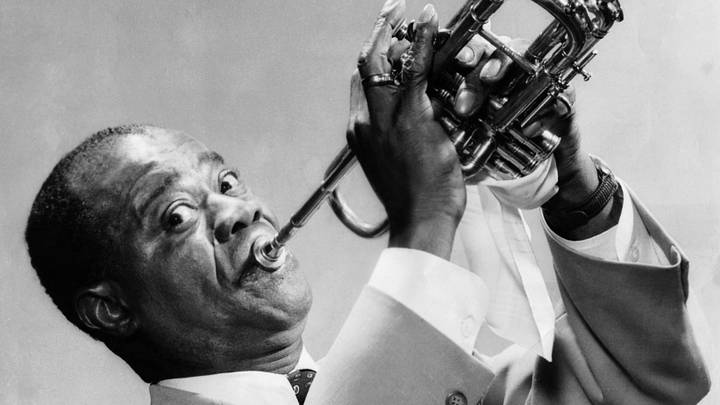
Jazz music, with its rich history and iconic figures, has captivated audiences for decades, from the distinctive, raspy voice of Louis Armstrong to the enchanting, sultry tones of Ella Fitzgerald. Their timeless songs have remained ingrained in our collective consciousness. For those who cherish these legends and wish to test their knowledge, quizzes often reveal the depth of their familiarity with various tracks. Achieving a perfect score on a challenging jazz quiz certainly warrants bragging rights, while an imperfect one merely serves as a perfect invitation to revisit favorite jazz musicians or explore new artists within the genre.
The cultural and historical impact of jazz music is profound, with its genesis tracing back to New Orleans, Louisiana, somewhere between the late 19th and early 20th centuries. This vibrant musical form emerged from a harmonious merger of European harmonies and African rhythms, quickly establishing New Orleans as a paramount hub for musicians. To this day, the city remains an indispensable destination for anyone seeking to truly immerse themselves in the heart of jazz. Over time, jazz transcended its role as mere music; it evolved into a powerful medium for storytelling and a unifying voice for people, particularly during the Civil Rights Movement. Its enduring significance has cemented its status as a vital part of American heritage, with the Smithsonian Institution officially recognizing it as a core component of the country's history.
Since its inception, the distinctive sounds of jazz have been extensively used and adapted, influencing a multitude of other musical styles. It played a crucial role in shaping genres like hip-hop and R&B, and its elements can even be found integrated into contemporary pop and rock music. Due to its foundational versatility and structural depth, jazz is frequently taught as one of the primary styles to individuals learning various instruments, serving as a basis for understanding many other genres. A remarkable aspect of jazz is its inherent freedom, as there is no single 'wrong' way to approach it. This characteristic actively encourages musicians to discover and cultivate their unique styles and voices. Listening to the vast array of artists who have popularized the genre reveals distinct riffs and sounds. Some artists would prioritize storytelling, crafting narratives about past loves or profound struggles, while others focused intensely on the instrumental music behind the lyrics, highlighting brass sections or intricate guitar work. This celebration of individual expression allowed everyone to be authentically themselves, and this very spirit has significantly contributed to shaping the diverse culture we experience today.