Italy's Meloni Unveils Controversial Ban on Burqa, Niqab in Schools and Caps Foreign Students
Italian Prime Minister Giorgia Meloni plans a new bill to ban burqas and niqabs in schools and limit foreign pupils in classrooms, sparking significant debate. This move reflects Italy's political tensions over migration and integration, drawing both support and strong criticism from constitutional experts and opposition parties.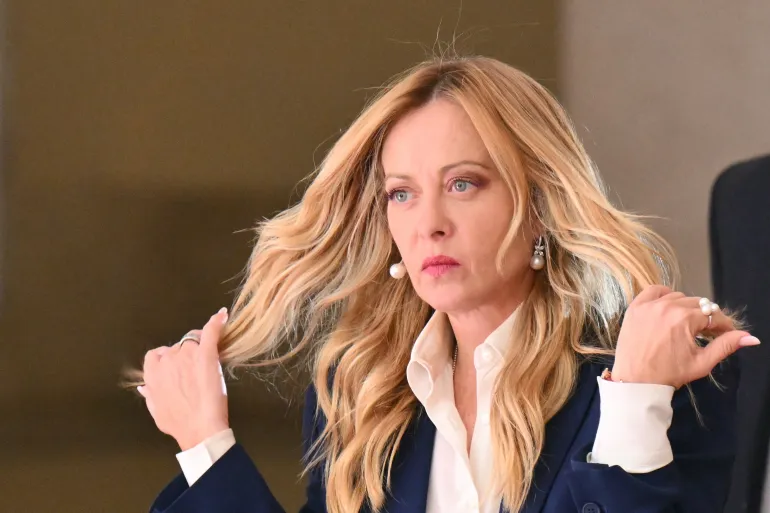
The Italian Prime Minister Giorgia Meloni has revealed plans for a new bill aimed at addressing perceived societal integration challenges, particularly within the nation's schools.
The proposed legislation seeks to introduce a ban on burqas and niqabs in educational institutions, alongside establishing a statutory limit on the number of foreign pupils permitted in each classroom.
This announcement comes amidst a charged political climate, with migration remaining a highly divisive issue in Italy and competition intensifying to the right of Meloni's own party ahead of next year's elections.
Meloni outlined a comprehensive package of measures set to be presented to the Italian cabinet.
Key components include the explicit ban on full-face coverings like burqas and niqabs in schools, a new requirement for parents of pupils experiencing “serious difficulties integrating” into the national system to learn Italian, and the aforementioned cap on foreign students.
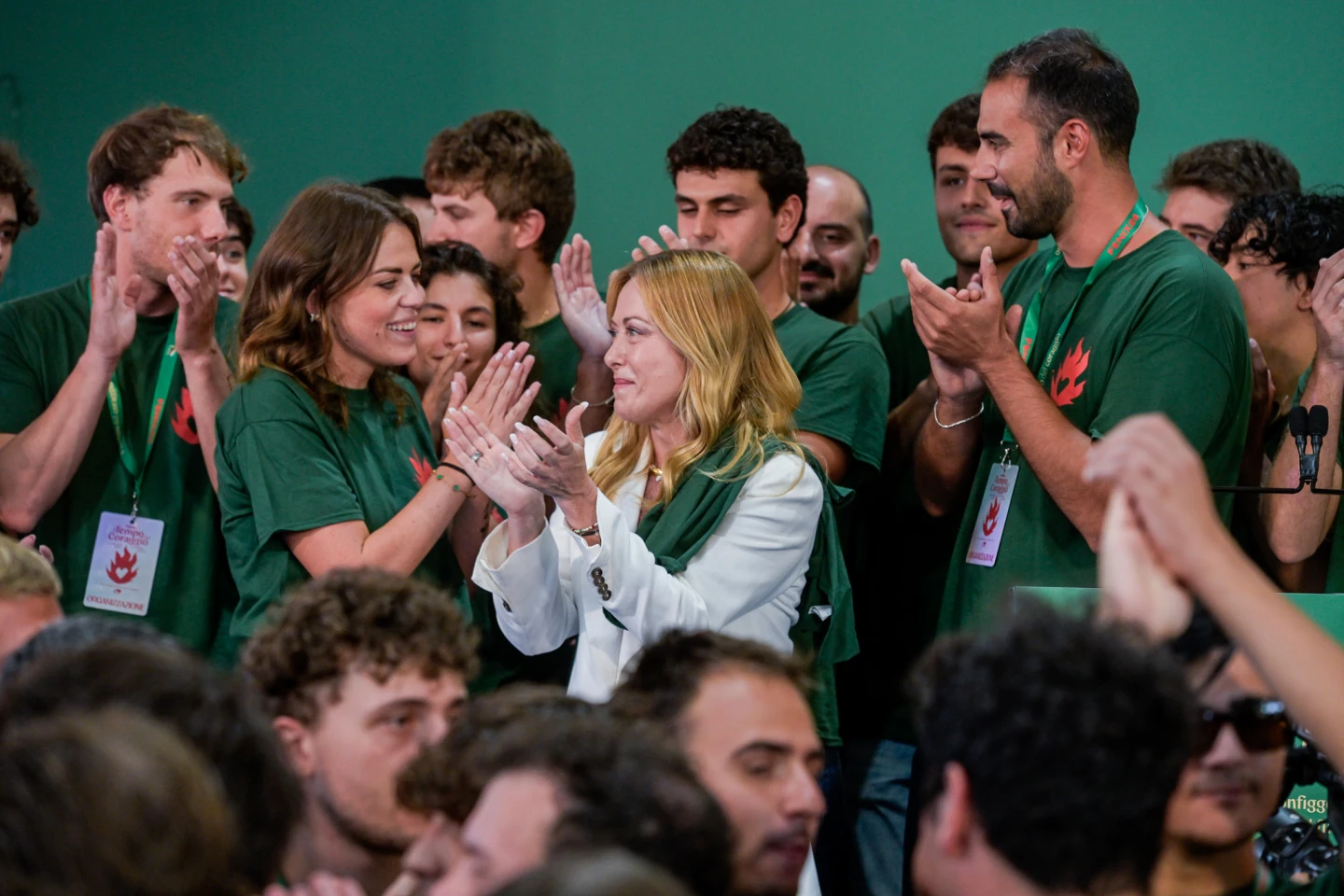
Meloni articulated her stance during a Gioventù Nazionale rally, stating, “It is unacceptable that in an Italian classroom the children who end up feeling pushed into a corner are Italian children because they have become the minority. That cannot be allowed.”
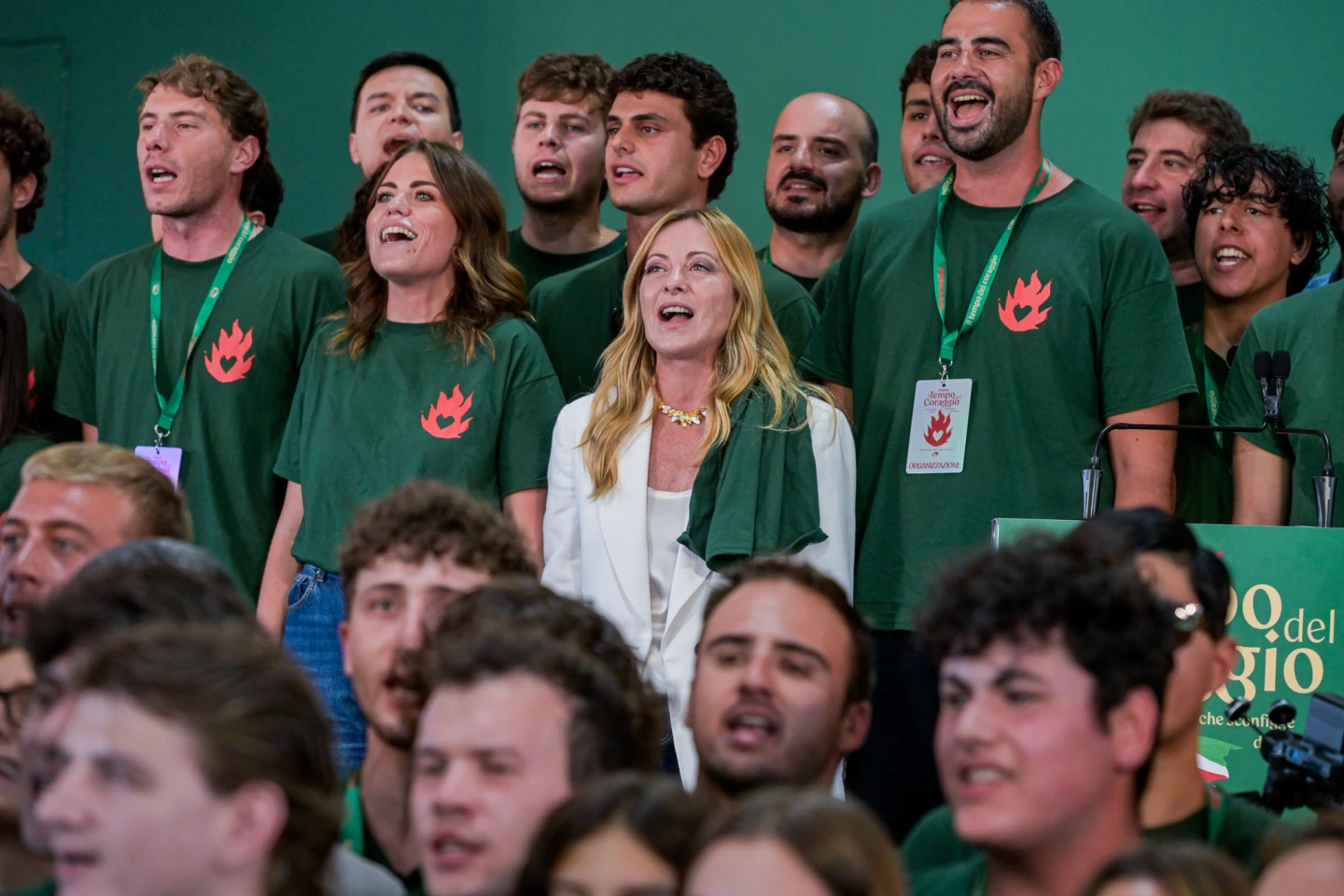
She dismissed counterarguments as “a convenient lie for those who live off ideology.”
The Prime Minister's proposals build upon several preceding initiatives. In early August, Education and Merit Minister Giuseppe Valditara had already suggested action on full-face veils through an amendment to the security bill.
Furthermore, at the end of July, Futuro Nazionale, a party founded by far-right MEP Roberto Vannacci (who supports Meloni's stance), successfully tabled a resolution against full-face veils in the Chamber of Deputies’ Culture Committee.
Earlier in March, the League introduced a Senate bill to amend Article 5 of the 1975 Reale law, which currently bans face coverings in public places.
This amendment would create a new offense for forcing someone to conceal their face, carrying penalties of one to two years in prison, fines of €10,000 to €30,000, and a bar on obtaining Italian citizenship for those convicted.
The debate over full-face veils is not unique to Italy. Meloni specifically mentioned burqas (covering the entire body with eye mesh) and niqabs (covering the face, leaving eyes visible), differentiating them from hijabs (covering hair and neck, face uncovered).
Several other European countries have already implemented restrictions. France imposed a nationwide public ban in 2011, upheld by the European Court of Human Rights.
Belgium followed suit in 2011, Bulgaria in 2016, and Denmark in 2018, all with national bans. Austria introduced an anti-mask law in 2017, with further restrictions on head coverings for girls up to 14 in schools planned for 2026.
The Netherlands has a partial ban in schools, hospitals, government offices, and public transport since 2019. Switzerland enacted a federal ban following a referendum in 2023.
Portugal completed its legislative process for a public space ban in 2026. Germany, while lacking a nationwide ban, restricts public employees, judges, armed forces members, and motorists from face coverings, with some Länder also limiting veils in schools and universities.
Italy's proposed statutory maximum for foreign pupils in classrooms would mark a significant shift, making it the first European country to adopt such a rule.
Currently, Italy has a 30% limit on non-Italian pupils, established by a 2010 ministerial circular, but this has often gone unenforced due to demographic realities and lack of flexibility. Other European nations employ diverse strategies.
Denmark allows upper secondary schools to cap pupils of “non-Western origin” or from disadvantaged neighborhoods at 50% and can organize classes based on parental income to foster social and ethnic mixing, a model Italy is reportedly observing.

In France, quotas based on origin are unconstitutional, so authorities use “zoning” to redesign school catchment areas, connecting different socio-economic neighborhoods, and reducing class sizes in areas with high migrant concentrations.
Meloni’s announcement has garnered support from her governing coalition but has also met significant criticism. Salvatore Curreri, a constitutional law professor, highlighted Article 34 of the Italian Constitution, which guarantees that “school is open to everyone,” including foreign children.
He warned that overly restrictive measures, particularly those that might force families to relocate, could be “excessive” and conflict with the “overriding functional aim of integration,” potentially infringing a constitutional right.
Angelo Bonelli, an MP for the Green and Left Alliance, accused Meloni of “chasing the neo-fascist right of AfD and Vannacci” instead of addressing fundamental educational issues like low teacher salaries, suggesting her true interest in schools is minimal.
The proposed bill by Prime Minister Meloni represents a determined effort to reshape aspects of Italian society and education, driven by concerns over national identity and integration.
While drawing parallels with existing European policies on face coverings, the proposed limits on foreign pupils would break new ground.
However, the plan faces strong opposition, with critics raising significant constitutional and ethical questions regarding its impact on fundamental rights and the very concept of integration within a diverse society.
The debate reflects deeper societal tensions and will undoubtedly be a central theme in Italy's upcoming political landscape.