How Did Okrika, a Niger Delta Town, Become A Term For Second-Hand Clothes?
Okrika is a historic town in Rivers State and a familiar Nigerian name for second-hand clothes. The story of Okrika traces how a Niger Delta town became synonymous with affordable imported clothing.
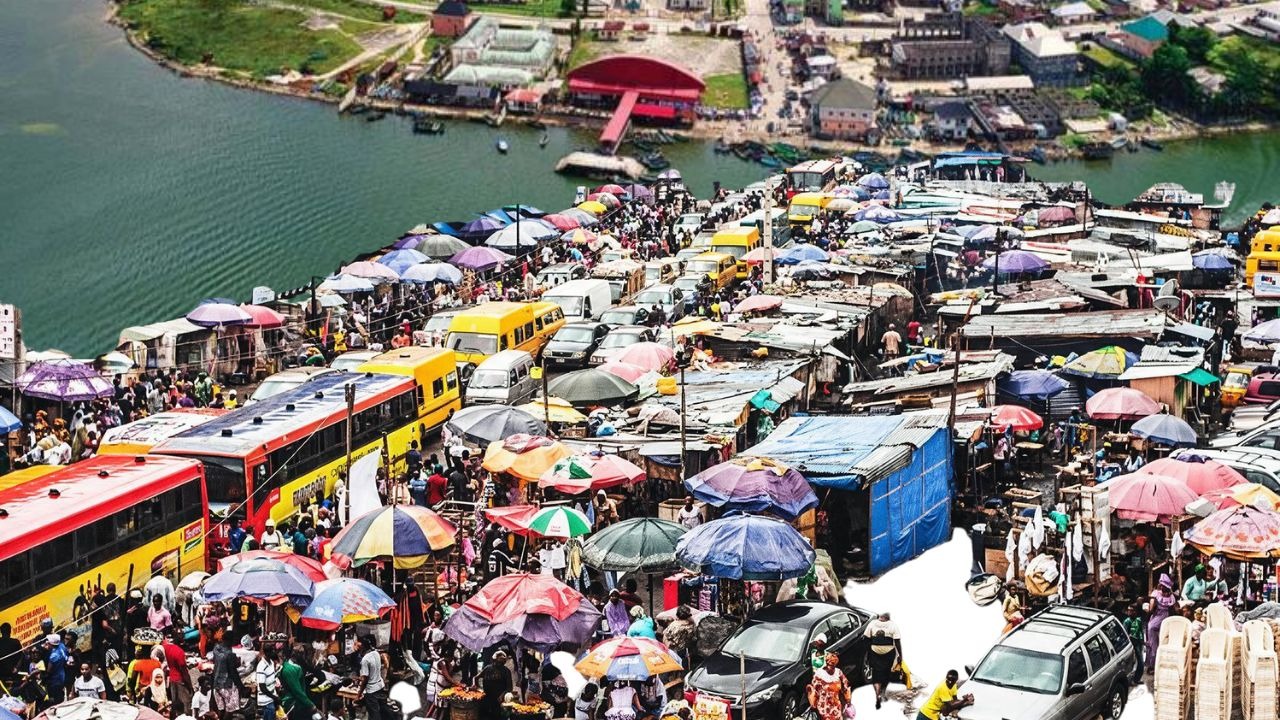
“I’m going to Okrika next week.” Does that sound weird? It might, and it might not, if you haven’t heard of the town before.
If you’ve heard of Okrika, you might assume someone is talking about travelling to a town in Rivers State. But if they told you they were going to get Okrika, you would probably understand exactly what they meant: they want to buy jeans, shirts, jackets, shirts, and shoes—clothing, basically.
That is because Okrika is both a place and a piece of Nigerian vocabulary.
The former is a coastal town in Rivers State, home to the Okrika people, an Ijaw community with a history stretching back centuries. The latter is what Nigerians have come to call second-hand or fairly used clothing, even though the clothes may have travelled through several countries before reaching Nigerian markets.
Somewhere along the way, the name of a Niger Delta town became attached to one of Nigeria’s most widespread forms of clothing commerce. And the story is more interesting than the word suggests.
Before Okrika Became Clothing, It Was a Port
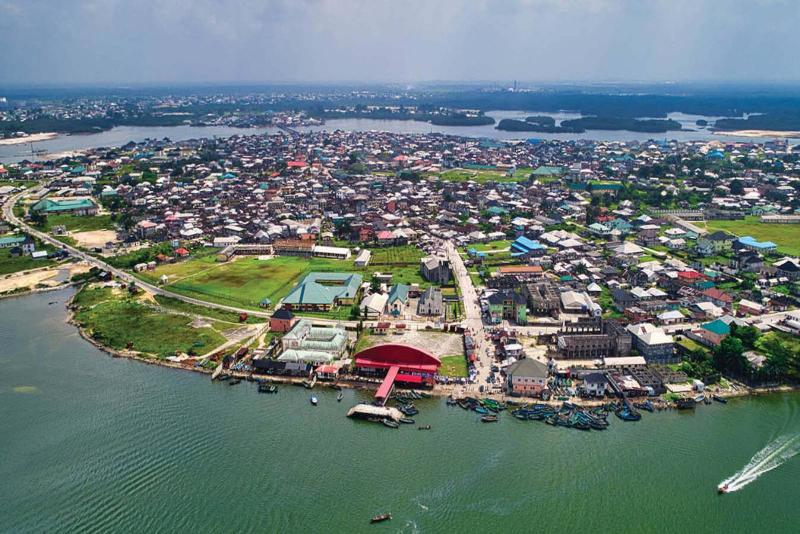
Okrika is not simply a name Nigerians accidentally attached to used clothes; it has a story behind it.
The town of Okrika, or Okirika, sits on Okrika Island, on the north bank of the Bonny River, close to Port Harcourt, Bonny and Opobo. It began as a fishing settlement of Ijaw people and became the capital of the Okrika Kingdom in the early 17th century.
Its history was shaped by trade. During the Atlantic slave trade, Okrika participated in the regional trading economy. After abolition in the 1830s, the town became a port for palm oil exports, although Bonny and Opobo remained more important commercial centres. By the early 20th century, Okrika had lost prominence to Port Harcourt.
Then oil changed the story again.
In 1965, the completion of the Port Harcourt refinery and pipelines connecting it to a jetty on Okrika Island helped restore the town’s commercial relevance. Its location placed it within an important petroleum infrastructure network, while fishing, farming and trading remained part of life.
So when Nigerians use “Okrika” for a pile of clothes at a roadside market, they are unknowingly using the name of a town long connected to movement, trade and goods.
But how did clothes enter the story? Here is where it gets interesting.
How a Niger Delta Town Gave Second-Hand Clothes Their Name
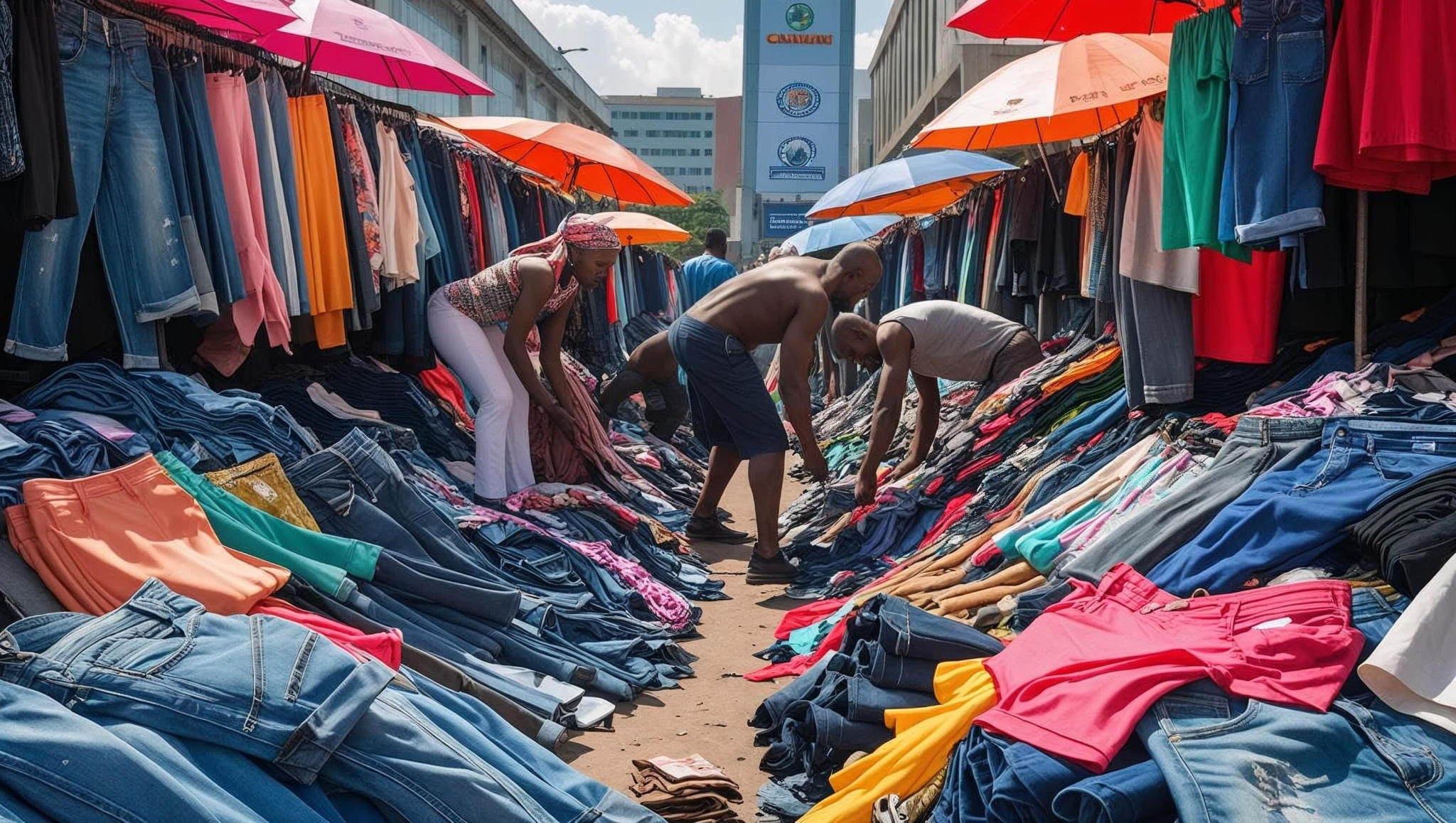
The history of Nigeria’s second-hand clothing trade goes back much further than the modern “thrift” culture associated with Instagram sellers and carefully selected vintage pieces.
Research by anthropologist Olumide Abimbola traces the trade to the 1940s, when Igbo traders began acquiring second-hand clothes from ships around Port Harcourt and selling them to people around Okrika.
History
Rewind the Stories that Made Africa, Africa
A Journey Through Time, Narrated with Insight.
According to his research, this connection is where the Nigerian use of “Okrika” for second-hand clothing comes from.
Over time, the name travelled far beyond the town.
The clothes came from abroad, including Europe and North America, packed into bales before being shipped into West Africa. What began as a coastal trade gradually became a nationwide network of importers, wholesalers, transporters, market traders and consumers.
And Nigerians, being Nigerians, did not stop at one name. Depending on where you are, you may hear bend-down-select, gwanjo, bo si corner, second-hand, fairly used or okirika, some describing how people shop, others reflecting how the clothes arrived.
Yet “Okrika” became the name most Nigerians recognised, even though many had never visited the town.

And then something else happened.
What was once associated with people who could not afford new clothes became something almost everybody could understand.
From “I Can't Afford New Clothes” to “Where Is the Good Okrika?”
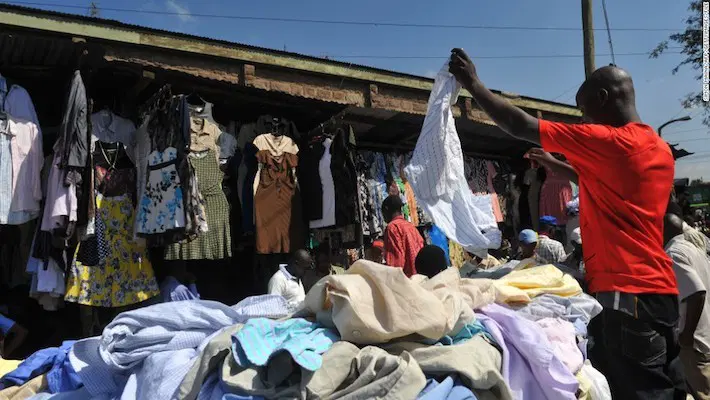
For decades, buying second-hand clothing carried a certain social meaning.
Okrika was what you bought when your pocket could not accommodate something new. It could be hidden behind euphemisms like “fairly used” because the word itself carried the assumption that new was better.
But Nigeria changed. Prices rose, household incomes struggled to keep pace, fashion became faster and imported clothing more expensive. Gradually, the question became less about whether a shirt had belonged to someone before and more about whether it looked good, fitted properly and was affordable.
Research on Lagos’ contemporary thrift market links its growth to low purchasing power, unemployment, rising prices and the realities of urban consumption. Second-hand clothing has also created livelihoods for traders while giving consumers access to a wider range of clothing at lower prices.
The government has tried to stop the importation of second-hand clothing at different points in Nigeria’s history. A major prohibition was introduced after the Civil War, including a 1971 ban, while import restrictions expanded during the 1970s and 1980s. The logic was familiar: protect local textile production, reduce dependence on imports and encourage domestic industry.
But banning a product does not necessarily eliminate the reason people want it.
When affordable clothing remained difficult to produce and purchase locally, demand did not disappear. Trade simply adapted through smuggling and routes across neighbouring countries.
Academic research on the post-Civil War trade specifically links the prohibition to the growth of smuggling networks that kept second-hand clothing available in Nigerian markets.
History
Rewind the Stories that Made Africa, Africa
A Journey Through Time, Narrated with Insight.
The Ban Never Ended the Demand
And the contradiction remains visible today.
The Nigeria Customs Service’s current prohibited-goods schedule still lists second-hand clothing as absolutely prohibited for importation, while Customs continues to report seizures of the goods.
Yet walk through Nigerian markets and you will find the trade everywhere.
That tells us something bigger than the story of a ban that failed. It shows how economic behaviour usually follows the gap between what people need and what the formal system makes available.
If millions of Nigerians need affordable clothes, and locally produced alternatives cannot consistently meet that demand at prices households can manage, the demand will find another route.
That is why Okrika is such an interesting Nigerian word.
It is not only the name of a town. It is a reminder of how geography can become language, trade can become culture, and economic realities can turn something once considered embarrassing into an everyday choice.
So next week, when someone tells you, “I’m going to Okrika,” they might be talking about a town. Or they might simply be looking for a really good pair of jeans.
Either way, the word carries much more history than the clothes hanging from a roadside stall suggest.