House of the Dragon Shocks Fans with Jaw-Dropping Daemon-Rhaenyra Twist and Dark Game of Thrones Revelations!
House of the Dragon Season 3 Episode 5 dramatically reshapes the dynamic between Rhaenyra and Daemon, as Rhaenyra’s leadership becomes rash while Daemon adopts a strategic, measured approach. Concurrently, the episode unveils the horrifying, cursed origins of Harrenhal, built on blood and desecrated sacred trees, highlighting its supernatural influence in Westeros and its role as Aemond's current sanctuary.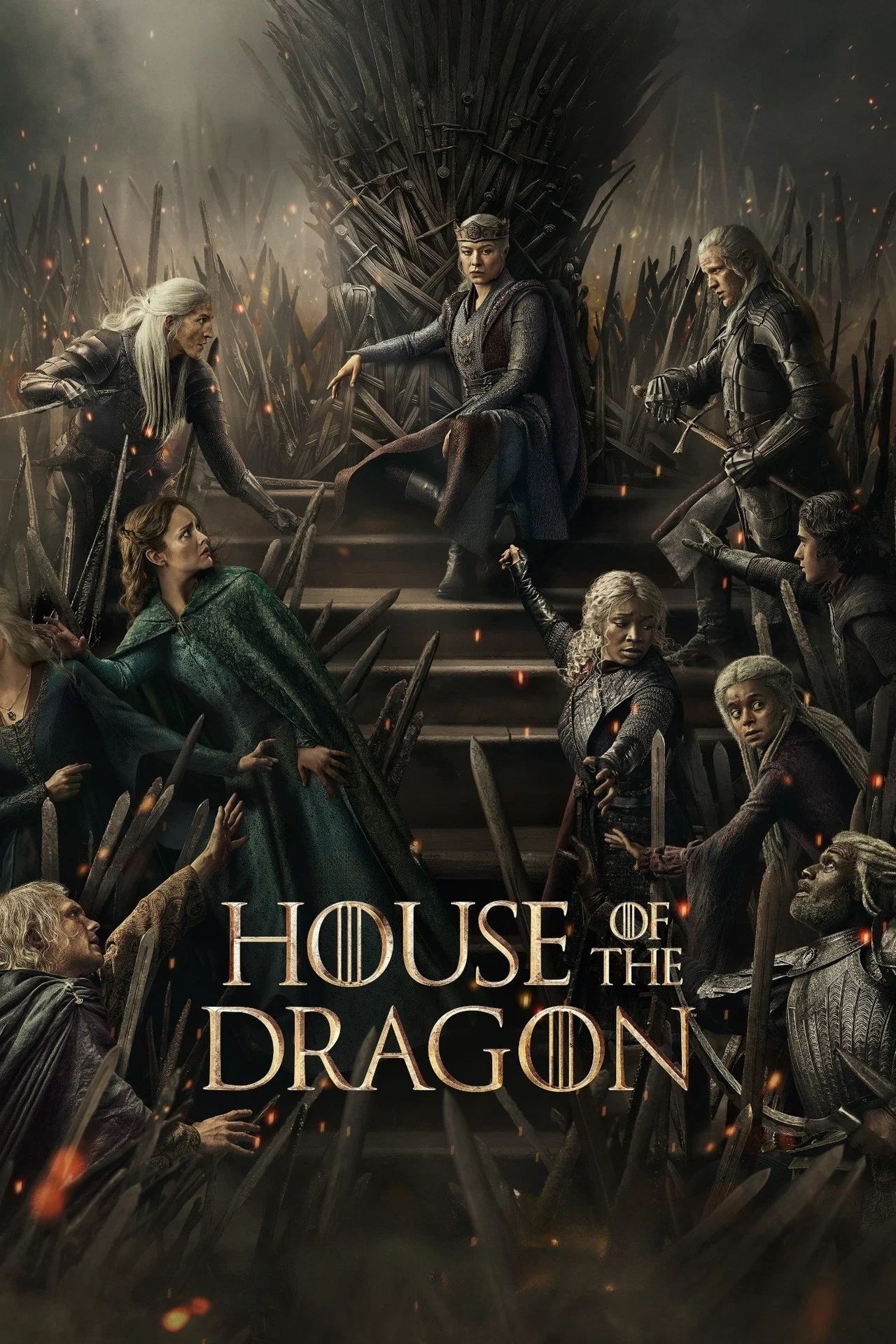
William Shakespeare's profound observation, "Heavy is the head that wears the crown," aptly encapsulates the tumultuous third season of HBO's House of the Dragon, particularly as depicted in Episode 5. The episode delves deep into the often-unwanted complexities of power, showcasing how individuals seeking it rarely enjoy its daily burdens or withstand its immense weight without compromising their initial principles. Rhaenyra Targaryen, portrayed by Emma D'Arcy, has faced a barrage of obstacles since ascending the Iron Throne. Her previous demeanor as a fair, thoughtful, and mercifully cautious leader, one who meticulously weighed every option and sought to minimize bloodshed, has dramatically shifted.
In a striking reversal of temperaments, Rhaenyra now fervently pursues rash actions, a stark contrast to her biggest foil, Daemon Targaryen (Matt Smith), who previously earned his "Rogue Prince" moniker through impulsive behavior. As of Season 3's fifth episode, Daemon has transformed into the measured, astute chess player, a menace on the battlefield yet now a voice of strategic prudence. This profound division, born from a series of tragedies, was an unforeseen fracture in their once-united front.
Rhaenyra's growing suspicions of sabotage in King's Landing are objectively justified. An unseen force is actively undermining her rule, evidenced by the assassination of loyal Gold Cloaks and threats to her heir Joffrey's legitimacy. Her arguments, while feeling rash, stem from a logical desire to decisively win the civil war by eliminating formidable opponents like Aemond and his dragon, Vhagar. However, Team Black lacks the personnel to address every threat simultaneously, necessitating a strategic prioritization. Daemon's militaristic desire to secure their base of operations by dealing with immediate threats, such as Ormund Hightower, takes precedence over refuting graffiti or exhaustively hunting Aemond.
Daemon's perspective is particularly informed by his unique position as the only living Targaryen aware of the prophecy concerning their dynasty's role in defeating the White Walkers. He comprehends both the immense gravity of the crown and the intricate, often conniving maneuvers required to maintain their precarious hold on power. Even in his more volatile past, Daemon displayed a sharp political acumen, predicting Otto Hightower's betrayal years in advance. Now, he calmly detects a singular mastermind behind the slaughter of the City Watch, serving as Rhaenyra's steadiest and most honest supporter. He validates her terror and suspicions while attempting to redirect her squandered focus, recognizing that the realm's prophesied savior could perceive the broader strategic landscape under different circumstances.
Their relationship is defined by a counterbalancing "give and take," a dynamic that has characterized their marriage since Rhaenyra's younger days. While Daemon paradoxically delays obeying Rhaenyra's orders when he disagrees, his actions highlight the "twin flames" status of their bond. Rhaenyra's current lashing out, fueled by overwhelming weariness, perpetual setbacks, deceptions, and the unmourned deaths of her sons, is a profound expression of her humanity. This spiral, however tragic, is understandable, but as Daemon implicitly suggests, revenge is a dish best served cold and should not compromise immediate strategic imperatives.
Beyond the political intrigues of King's Landing, House of the Dragon Season 3 Episode 5 also vividly details the grim history of Harrenhal, one of Westeros's most infamous and cursed castles. The Game of Thrones franchise is renowned for its dark narratives, and this prequel doubles down by finally illustrating Harrenhal's origins, revealing horrors that transcend mere superstition. Now serving as Aemond's hiding place, the castle’s eerie reputation and the presence of Alys Rivers protect him from Rhaenyra’s assassins.
Harrenhal's dark genesis began with Harren the Black, who conceived it as a colossal vanity project. Over its forty-year construction, thousands of captives perished under brutal conditions. Disturbing rumors suggest Harren even mixed human blood into the mortar, earning the castle its grim reputation for being "built on the blood of men." Adding to this desecration, Harren ordered the ancient, sacred Weirwood trees within a grove to be cut down and incorporated into the construction, a profound insult to the Old Gods and a commonly cited reason for the castle's enduring curse.
The show emphasizes that Harrenhal's curse is not just a rumor. Its history is replete with tragedy: immediate destruction by dragonfire during Aegon's Conquest and the brutal extinction of nearly every House that subsequently held it. House of the Dragon further amplifies this supernatural tone, showcasing terrifying visions experienced by both Daemon in Season 2 and Aemond in Season 3 while within its walls. This portrayal starkly contrasts with its depiction in Game of Thrones, where Harrenhal, though a memorable setting for events like Arya's service to Tywin Lannister, lacked the overt magical undercurrent. The prequel's setting, where magic is still prevalent, allows Harrenhal to become a conduit for exploring Westeros's deep, dark magical history, especially now that it appears to be under Alys Rivers' control. The castle, from its bloody foundations to its current supernatural torment, stands as a testament to the grim consequences of power and desecration in Westeros.