Heavy Rain Triggers Flooding Across Lagos, Strands Commuters, Disrupts Businesses
A heavy downpour brought Lagos to a standstill as widespread flooding submerged roads, stranded commuters, disrupted businesses, and reignited concerns over the city's persistent drainage challenges. As residents counted their losses, calls grew louder for lasting solutions to the annual flooding crisis.
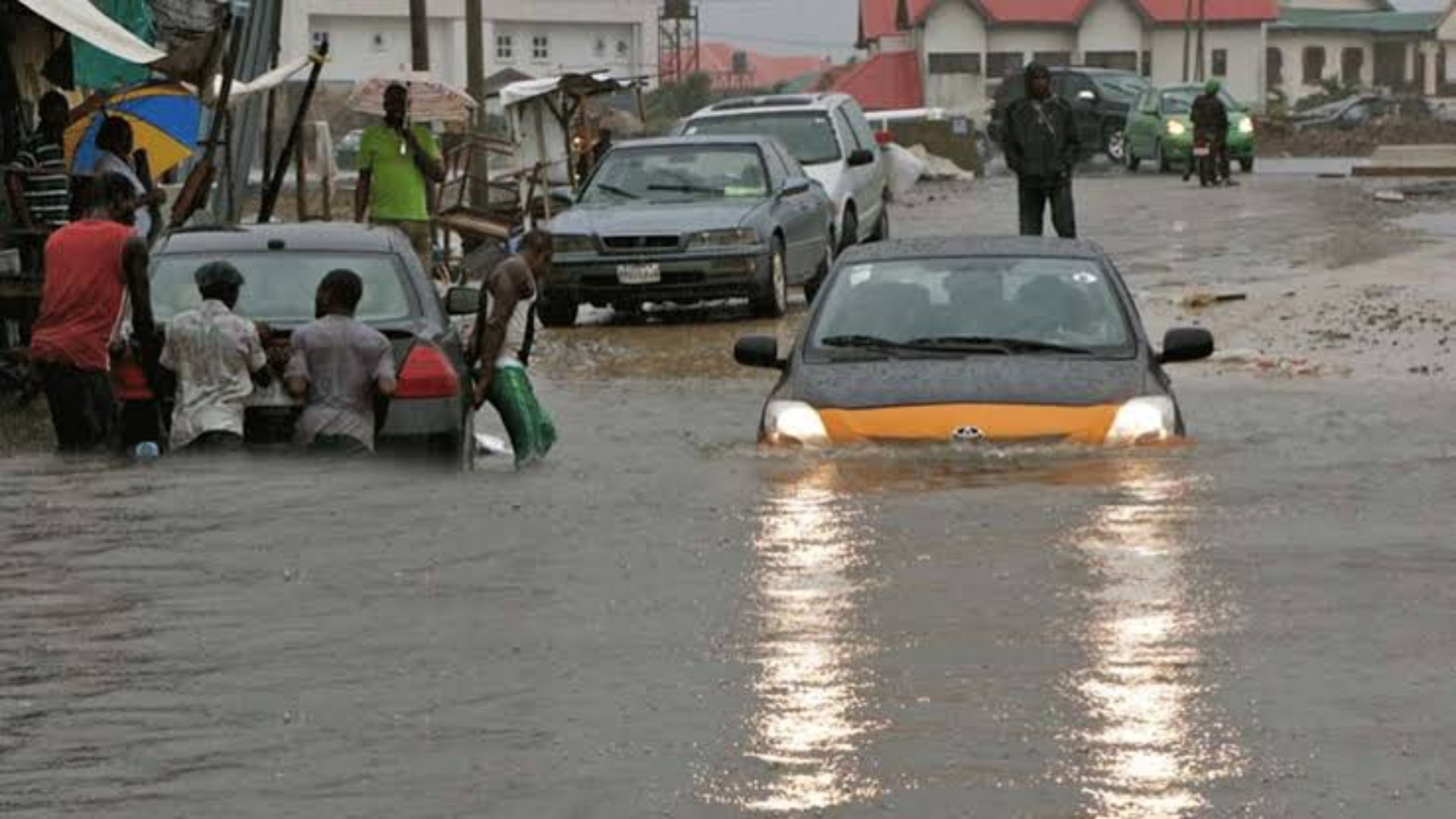
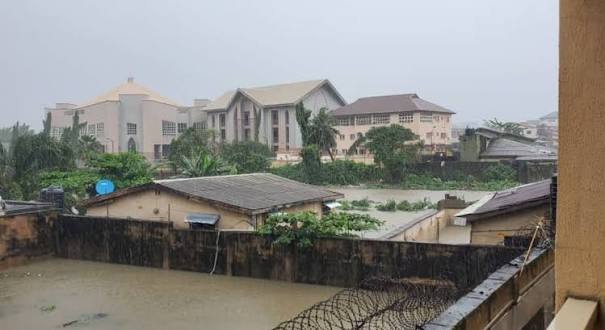
A torrential downpour that swept across Lagos left several parts of the state submerged on Tuesday, causing widespread flooding, severe traffic congestion, and significant disruptions to commercial activities.
The flooding triggered by heavy rainfall has displaced many residents across Lagos, while numerous motorists were stranded after their vehicles were submerged and damaged, forcing many businesses to close.
The situation has renewed concerns over the state’s drainage infrastructure, waste management and flood control measures, with many residents insisting that Lagos cannot continue to experience widespread flooding whenever it rains.
On June 30, 2026, a video showing officials of the Lagos State Government clearing drainage channels while rain was still falling drew criticism, with residents accusing the government of reacting only after floodwaters had inundated communities.
And this heartbreaking footage also emerged showing residents watching helplessly as floodwaters swept away a man inside his wooden kiosk, with no immediate rescue in sight.
Many properties worth millions of naira were also damaged after a fence collapsed onto vehicles parked inside a mechanic’s workshop.
Some of the worst-hit areas included Oshodi, the underpass at Apakun Bridge along the Oshodi-Apapa Expressway, Opeki Road in Mosan-Okunola Local Council Development Area (LCDA), Abesan Estate, Ilupeju Road, Mushin, Fashoro Street in Surulere, Akowonjo Road in Egbeda, Gbagada Expressway, Idi-Oro, Ikorodu and parts of Lekki.
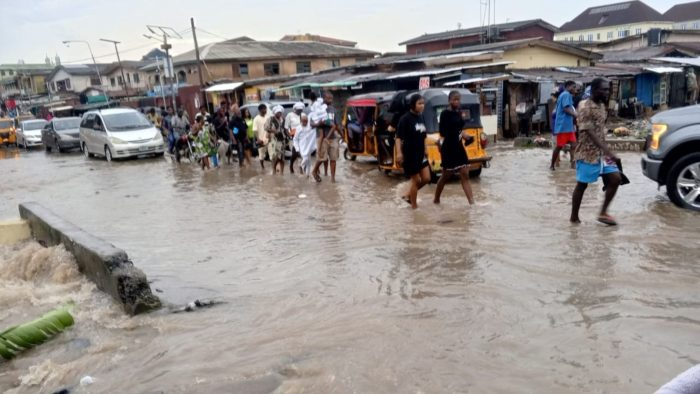
Flooded Roads Bring Traffic to a Standstill
Major roads across Lagos, including key routes in the bustling districts of Victoria Island, Lekki, Surulere, and Ikeja, became nearly impassable as floodwaters swallowed large sections of the carriageways.
Vehicles crawled through the waterlogged streets, creating long queues that stretched for kilometres, while several cars broke down after being submerged in rising floodwaters.
The resulting gridlock turned what would have been routine journeys into exhausting ordeals, leaving commuters trapped in traffic for hours.
In many areas, frustrated motorists were forced to seek alternative routes, only to encounter similar conditions elsewhere.
The situation was worsened by poor visibility and damaged road surfaces hidden beneath the floodwater, increasing the risk of accidents.
As the rain continued to pour, Lagos' already busy road network struggled under the pressure, bringing movement across parts of the city to a near standstill and highlighting the recurring challenges posed by seasonal flooding.
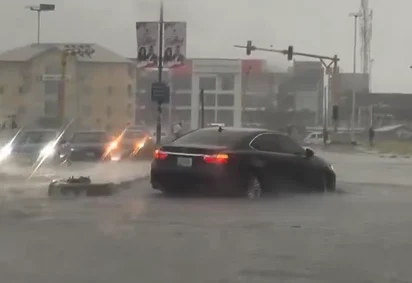
Commuters Face Difficult Journey Home
The flooding created a nightmare for residents trying to navigate the city, turning what should have been ordinary trips into hours-long struggles.
Public transport services were severely disrupted as buses and commercial vehicles struggled to access flooded areas, leaving many passengers stranded.
Pedestrians were forced to wade through knee-deep water, carefully making their way through submerged streets in an attempt to reach their homes and workplaces.
Across several parts of Lagos, commuters sought refuge in nearby buildings, bus stops, and shopping complexes as they waited for the rain to ease and floodwaters to recede.

Many expressed frustration over the recurring situation, describing the journey home as exhausting and stressful.
Parents worried about children returning from school, while workers faced uncertainty as transport fares surged amid the chaos.
As darkness approached and traffic congestion worsened, countless residents found themselves battling both the elements and the city's overstretched transport system, highlighting the human toll of Lagos' persistent flooding challenges.
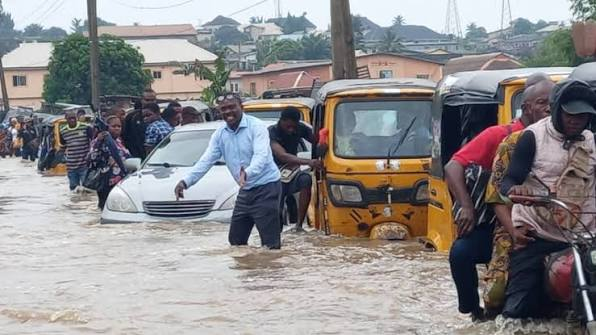
Businesses Count Losses as Operations Halt
The business owners across affected areas reported significant losses as customers stayed away and employees struggled to reach workplaces.
Several shops and offices were forced to close temporarily due to flooding, while traders lamented damage to goods caused by water entering their premises.
Small-scale businesses, in particular, expressed concerns about the recurring impact of flooding on their livelihoods.
The situation has dealt a heavy blow to business owners whose primary source of income depends on daily commercial activities.
Residents Demand Lasting Solution to Flooding
The latest flooding has renewed calls for authorities to address Lagos' persistent drainage challenges.
Residents blamed blockeddrainage channels, indiscriminate waste disposal, and inadequate infrastructure for worsening the situation.
A lot of affected residents spoke to the Guardian, having to describe their frustrations over what they described as a recurring problem whenever there is heavy rainfall.
They called on the relevant authorities to improve drainage systems, ensure regular desilting of canals and enforce proper waste disposal to reduce the risk of flooding.
For commuters, the flooding was both stressful and costly, with many spending hours in traffic or walking long distances due to higher transport fares.
The situation also raised health concerns, as stagnant water mixed with waste increases the risk of disease outbreaks.
Residents called for improved drainage systems, better infrastructure, and responsible environmental practices to help prevent future flooding.
Meanwhile, the Lagos State Government has called for calm and understanding from residents following the widespread flash flooding experienced in many parts of the state over the past two weeks, with Governor Babajide Sanwo-Olu approving the immediate maintenance dredging of 28 additional primary drainage channels across the state.
Conclusion
As Lagos continues to experience heavy rainfall during the peak of the rainy season, the latest flooding serves as a stark reminder of the city's vulnerability to extreme weather.
While emergency responses may provide temporary relief, residents and business owners are calling for sustainable solutions that will protect lives, property, and economic activities from the recurring threat of urban flooding.
The incident underscores the urgent need for stronger infrastructure and environmental management to safeguard Africa's largest city from future disruptions.