Health Crisis Averted: JOHESU Strike Ends After 3 Months, Public Services Resume Amid FUTO Hospital Scandal
Nigeria's health sector faced significant disruption from an 84-day JOHESU strike, which brought to light severe exploitation of nurses at Federal University Teaching Hospital, Owerri. Nurses were allegedly forced into non-professional duties and denied allowances. The nationwide strike has since been temporarily suspended after government intervention, offering a crucial reprieve for patients.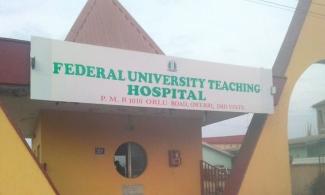
The Nigerian health sector recently witnessed a protracted period of industrial unrest, culminating in an 84-day nationwide strike by the Joint Health Sector Unions (JOHESU). Declared in November 2025, this strike effectively paralyzed essential medical services across public hospitals, leaving thousands of Nigerians without timely access to critical medical attention. JOHESU, representing diverse health professionals including pharmacy and laboratory services, initiated the industrial action to press for the implementation of the recommendations from a Technical Committee on the adjustment of the Consolidated Health Salary Structure (CONHESS), a report submitted in 2021.
During this period of widespread healthcare disruption, critical issues of staff welfare and professional ethics emerged. The Elegant Nurses Forum (ENF) vehemently condemned the alleged exploitation and degrading treatment of Nurses at the Federal University Teaching Hospital, Owerri, Imo State. In a press statement, the Forum described the situation as "deeply disturbing," asserting that instead of addressing workforce gaps caused by the strike through proper administrative channels, the hospital management resorted to forcing nurses into duties far removed from their professional training and job descriptions.
ENF highlighted that nurses, as highly trained healthcare professionals, were being compelled to perform tasks typically assigned to maids, cleaners, porters, or errand staff. Reports indicated that nurses were forced to run errands, carry food trays, clear patients’ plates, and undertake other domestic or support tasks. The Forum labeled this practice "professionally insulting" and a "serious violation of workplace standards, ethical healthcare practice, and respect for the Nursing profession."
The forum warned of severe consequences, noting that diverting nurses to domestic duties compromises patient care and safety. Nurses play a critical role in patient recovery, and such diversions risk patient well-being, lower care quality, and impose unnecessary emotional and physical strain on already overburdened staff. Furthermore, ENF accused the hospital management of exhibiting a "troubling lack of regard for staff welfare," citing the unpaid uniform allowances and other benefits owed to nurses for over four years, even while simultaneously imposing additional non-nursing tasks through "pressure and intimidation."
In response to these grave concerns, the Elegant Nurses Forum issued several demands. These included the immediate cessation of forced non-nursing duties, emphasizing that nurses should not be compelled to perform tasks meant for orderlies, cleaners, or kitchen staff. They also called for respect for professional job roles, the prompt payment of all outstanding allowances and benefits, and an end to any form of intimidation or coercion against nurses who refuse duties outside their professional scope. Additionally, ENF urged hospital management to engage in constructive dialogue with recognized nursing bodies to address welfare concerns and foster a safe, respectful working environment, reaffirming their commitment to monitoring the situation and protecting both staff dignity and patient safety.
The nationwide JOHESU strike, which had seen pharmacies, laboratories, and other support services largely non-functional, finally reached a temporary resolution. Following a last-minute intervention by the Federal Ministry of Labour, renewed discussions between the union and government officials paved the way for the strike's suspension on a Friday. This development brought much-needed relief to patients and healthcare stakeholders across Nigeria. The prolonged industrial action had previously prompted the Nigeria Labour Congress (NLC) and the Trade Union Congress (TUC) to issue a 14-day ultimatum, warning of potential wider labour unrest.
Public hospitals are now expected to gradually resume normal operations, easing the strain caused by nearly three months of halted services. While the suspension offers a crucial reprieve for millions affected, JOHESU has maintained vigilance, indicating a potential resumption of action if the Federal Government fails to implement the Technical Committee’s recommendations. The end of the 84-day strike underscores the critical importance of dialogue in resolving industrial disputes and ensuring the stability of Nigeria’s vital health sector, even as specific issues like those raised by ENF continue to highlight underlying challenges in staff management and welfare.