GTCO Made ₦278.5 Billion From Transaction Fees in 2025 And It Is Worth Paying Attention To
GTCO's fee and commission income jumped 26% to ₦278.5 billion in 2025, while HabariPay quietly built out three payments infrastructure verticals. Here is what the 2025 financials are actually saying about where GTCO is headed.
The orange-branded bank in Nigeria, GTCO, which many Nigerians just associate with over-the-counter services and mobile app banking, just released a statement recently.
The company earned ₦2.15 trillion in gross earnings in 2025, posted a profit before tax of ₦1.23 trillion, and recommended a final dividend of ₦11.76 per share.
By normal fiscal and financial standards, it is a successful Nigerian bank.
The 2025 audited financial statement, released in March 2026, is a story worth reading about, one about a company repositioning itself around digital infrastructure while the traditional banking narrative absorbs most of the public attention.
The Number That Actually Stands Out
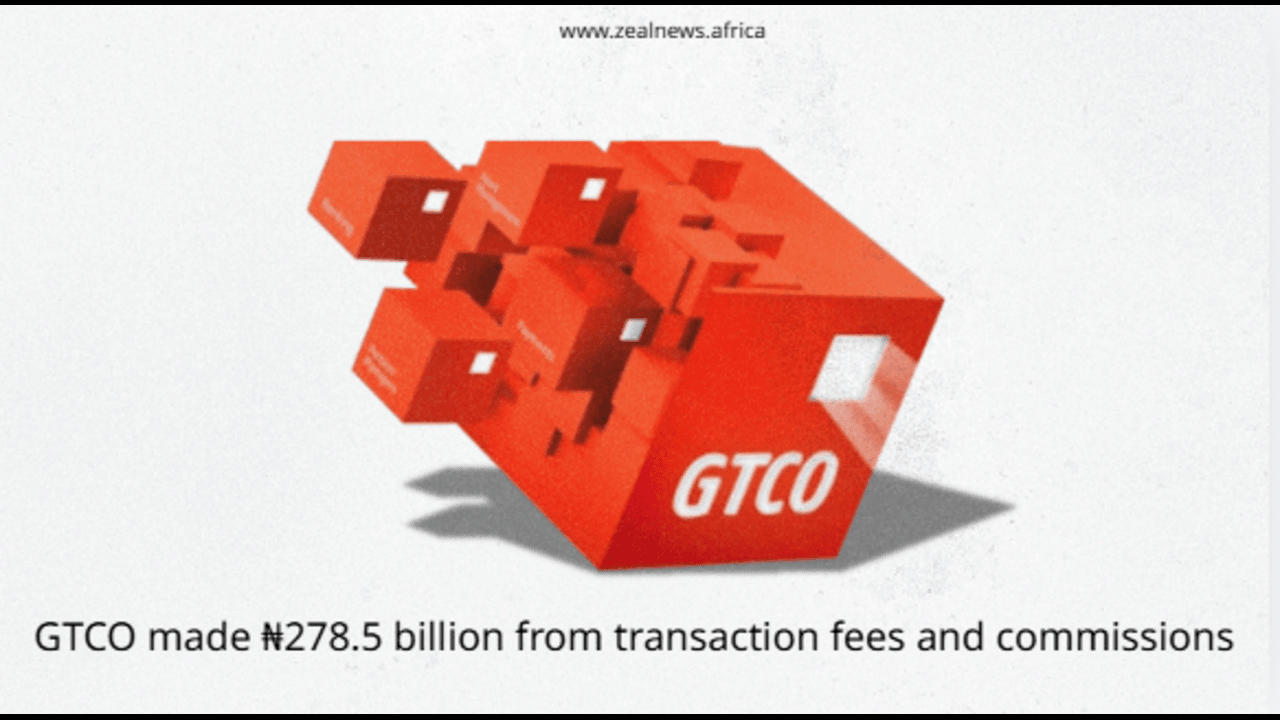
GTCO's fee and commission income grew from ₦221.2 billion in 2024 to ₦278.5 billion in 2025. That is a 26% jump in a single year, the kind of growth that does not come from branch transactions and paper forms.
Within that surge, the company’s e-business income specifically grew from ₦56.6 billion to ₦64.7 billion, a 14.4% increase, making it one of the fastest-growing line items in the group's income statement.
E-business income covers revenue from digital transactions, electronic payments, internet banking, and related digital channels.
When that number grows 14.4% in a year where overall gross earnings were nearly flat, it tells you something precise.
The bank's physical business is holding steady, and its digital business is growing.
HabariPay Is Not a Fintech Experiment
In 2021, GTCO restructured into a holding company with four subsidiaries. Most people still remember GTBank because it's still on our faces.
Fewer have actually paid attention to HabariPay Limited, the group's payments fintech arm sitting quietly inside the structure, doing something the parent company once outsourced entirely.
The 2025 financial statements show HabariPay operating across three distinct business verticals.
The first one is a payment gateway processing transactions via virtual accounts, USSD, card, and bank transfer for merchants from micro-businesses to large corporations.
Another distinct arm of the business is handling account-to-account transfers and card transactions through HabariPay's own payment switch.
Lastly, a value-added vertical managing bill payments, airtime vending, and bulk SMS distribution through NCC-licensed aggregators.
That is a payments infrastructure company with multiple revenue lines, not a side project. The distinction matters because it changes how you read GTCO's long-term direction entirely.
The Naira Card and the Zero-Fee POS Move

GTCO's 2025 sustainability report flagged two product decisions worth noting.
The first is the launch of a Naira Card for global transactions, offering a $4,000 quarterly limit for online and POS purchases, and the second is the implementation of zero processing fees on all the bank's POS terminals.
Both moves target the exact competitive ground that fintechs have been occupying for years. The Naira Card goes after Nigerians who want dollar access without the friction of a domiciliary account.

The zero-fee POS directly challenges the fintech argument that traditional banks are too expensive for merchants.
Nigeria's fintech sector spent a decade building the case that legacy banks are slow, expensive, and structurally unfit for the digital economy.
Some of that was true. Some banks believed it enough to stay out of the fight entirely.
GTCO is not staying out.
A payments subsidiary across three infrastructure verticals, fee income up 26%, e-business revenue growing while top-line earnings barely moved, a new Naira Card, and zero-fee terminals, these are not coincidences.
They are the returns on deliberate technology bets made over several years.
Whether HabariPay eventually outgrows GTBank within the holding company structure is a question the 2025 numbers do not yet answer. But the direction is becoming harder to ignore.