Google Unleashes Next-Gen AI, Personal Assistant on the Horizon
Google I/O 2024 unveiled Google's expansive vision for an "agentic Gemini era," introducing groundbreaking AI tools and systems. Key announcements include the proactive AI assistant Gemini Spark, the advanced Gemini 3.5 models, and Gemini Omni for realistic video creation. These innovations, alongside wearable AI and enhanced AI in search and shopping, solidify Google's commitment to integrating intelligent agents and content authenticity into everyday user experiences.Google is ushering in a new era of artificial intelligence, characterized by the deployment of advanced AI-powered tools and agentic systems designed to proactively assist users.
This shift, named the "agentic Gemini era" by Google CEO Sundar Pichai at the company's annual developers conference, Google I/O, underscores Google and Alphabet Inc.'s significant investment in AI development, with capital expenditures potentially reaching $190 billion this year.
These investments are reportedly yielding strong growth, as evidenced by recent quarterly earnings and an 11% stock climb since last month's report.
The Gemini app itself has seen remarkable user growth, more than doubling its monthly active users from 400 million to over 900 million within a year.
A cornerstone of this new era is the introduction of advanced Gemini models and a suite of innovative applications.
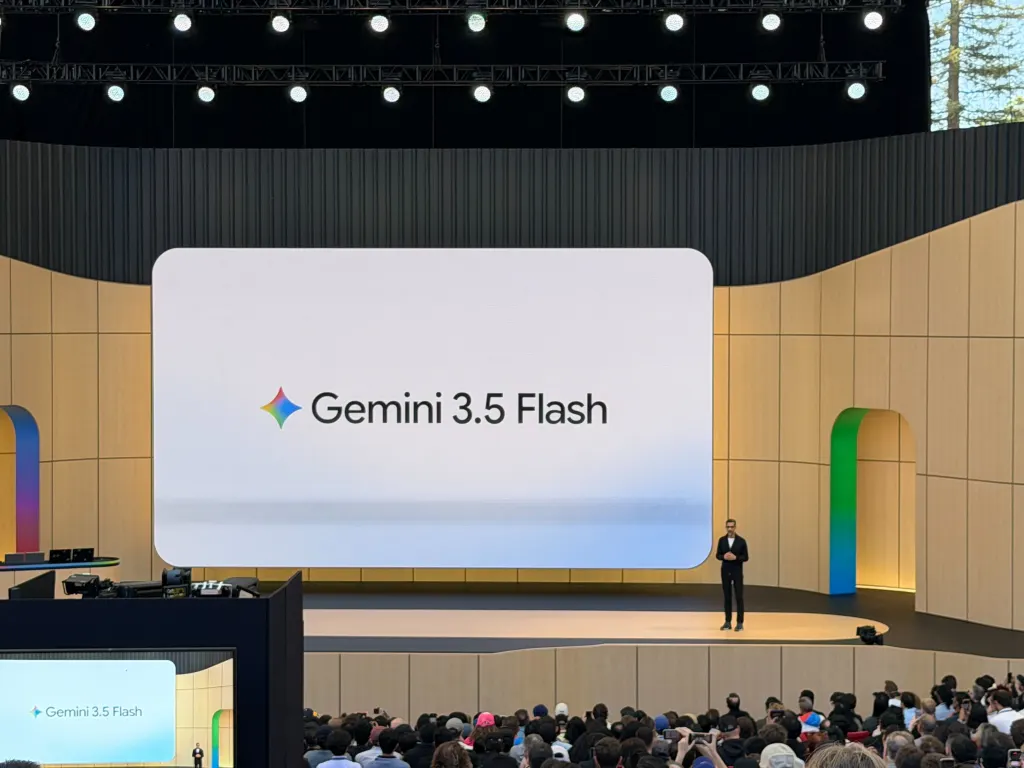
The latest family of models, Gemini 3.5, is being rolled out globally, starting withGemini 3.5 Flash. This Flash model, lauded for its speed and strength in agentic and coding task, reportedly four times faster than some competitors, is now the default for the Gemini app and the "AI mode" on Google Search.
Google is also progressing with Gemini 3.5 Pro, slated for launch next month after internal use.
Crucially, all Gemini 3.5 versions have undergone enhanced safety training and mitigations to reduce the generation of harmful content and prevent mistaken refusals of safe queries.
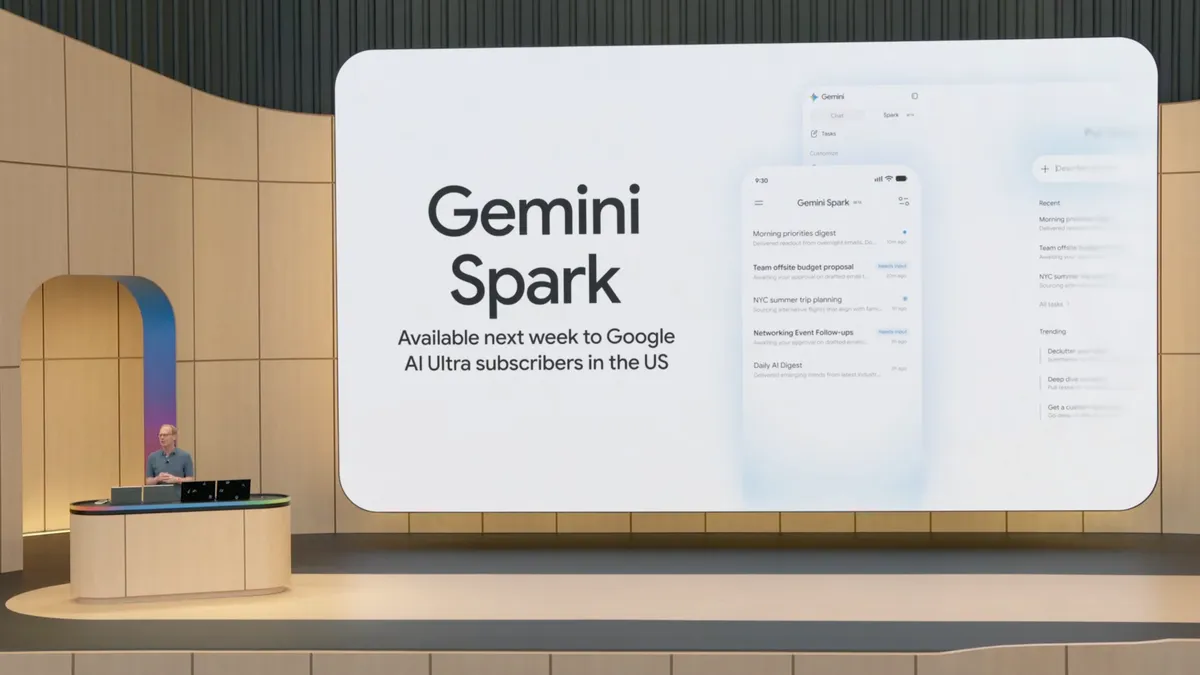
Among the most anticipated announcements is Gemini Spark, an "agentic" AI assistant powered by Gemini 3.5.
Designed to perform mundane, routine tasks on behalf of users, Spark can efficiently sort through meeting notes, emails, and chats to generate documents outlining key takeaways and to-dos.
Unlike traditional agents, Spark operates from the cloud, ensuring continuous background operation even when devices are shut down.
Recognizing potential anxieties associated with proactive AI, Google has designed Gemini Spark to request user permission before executing "high-stakes" tasks such as sending emails or making purchases.
Initial access to Spark is being granted to select testers and U.S.-based subscribers of Google AI Ultra tier, with integration into Chrome expected later this summer.
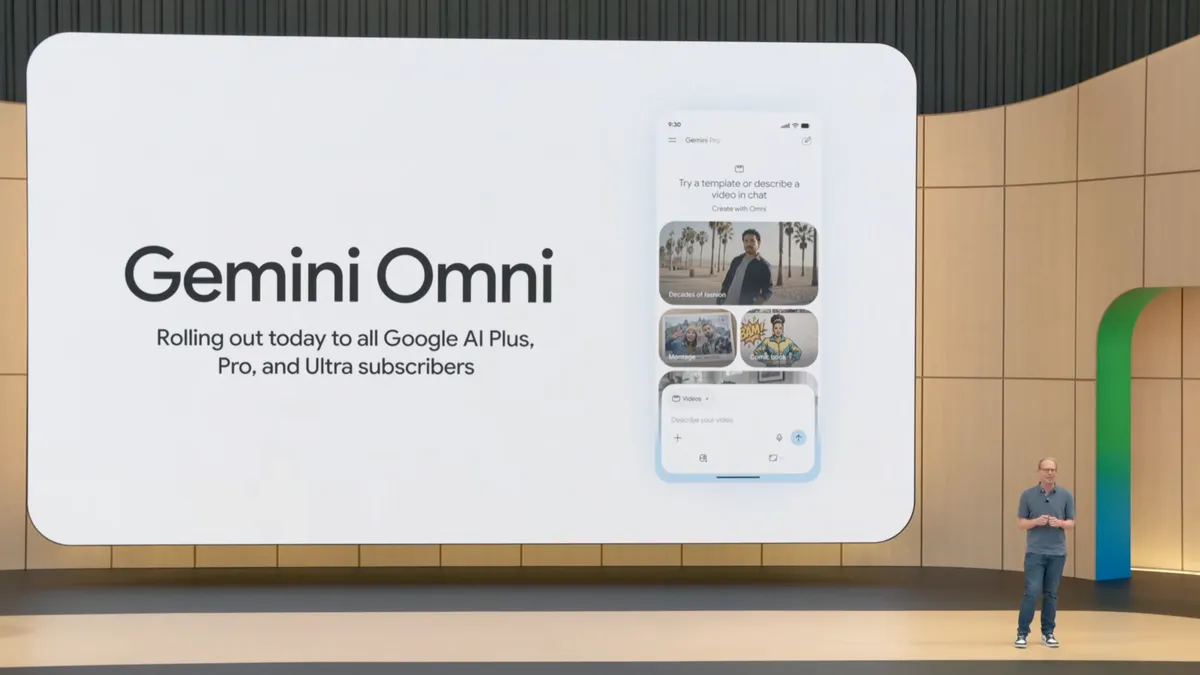
Another significant innovation is Gemini Omni, a groundbreaking model poised to transform content creation, particularly video. Omni enables users to create high-quality videos from any input type, including text, images, videos, and audio.
These videos can then be easily edited through conversational interaction with the model.
What sets Omni apart is its advanced understanding of physical forces like gravity, kinetic energy, and fluid dynamics, leading to more realistic video outputs compared to other models.
Gemini Omni Flash, the inaugural model of the Omni family, is launching for Google AI Plus, Pro, and Ultra subscribers via the Gemini app and Google Flow, and will also be available at no cost on YouTube Shorts and YouTube Create App starting this week.
Future plans include expanding Omni's capabilities to generate images and audio.
Google is also expanding its AI integration into hardware, with an update on its long-awaited smart glasses. Two versions are anticipated: audio glasses, offering spoken assistance, and display glasses, providing visual information.

The audio glasses are expected to launch first, later this fall, allowing users to activate Gemini by saying "Hey Google" or tapping the frame.
These glasses will assist with navigation, phone communication management, real-time translations, and other tasks. Google has partnered with Samsung, Gentle Monster, and Warby Parker, showcasing initial designs that will be part of the eyewear brands' full collections later this year.
The company continues to enhance its core services, Google Search and shopping, with deeper AI integration.
The "AI mode" in Google Search, which provides conversational answers before relevant links, has seen its queries more than double quarterly, now serving over a billion monthly users.
Gemini 3.5 Flash is now the default model for search, complemented by an "intelligent search box."
This major upgrade, the biggest in 25 years according to Liz Reid, Google's head of search, allows the box to adapt to longer queries, offer AI-powered suggestions instead of basic autocomplete, and support multi-modal inputs including text, images, video, files, and even Chrome tabs.
This intelligent search box is currently rolling out globally. For shopping, Google introduced the "Universal Cart," an intelligent shopping cart that functions across various merchants and Google services like search, Gemini, YouTube, and Gmail.
It leverages Gemini models to actively search for deals, track price drops, provide price history, and alert users when items are back in stock.
The Universal Cart will be available on search and the Gemini app this summer, followed by YouTube and Gmail.
Ensuring trust and authenticity in AI-generated content is also a priority. Google's imperceptible digital watermark, SynthID, will be included in all videos created with Omni.
Notably, AI companies such as OpenAI, Kakao, and Eleven Labs are adopting SynthID technology for their AI-generated content. Additionally, Google is implementing content credentials verification within the Gemini app and soon in search and Chrome.
This tool will help users determine whether content, like photos or videos, was AI-created or captured with a phone camera and subsequently edited using AI tools.