History's Most Bizarre Sleep Secrets: Unearthing Ancient Insomnia Cures
Explore the bizarre world of historical insomnia remedies, from Tudor-era cold apples on the head and Elizabethan dormouse fat on the feet to ancient poisons and Victorian lettuce soup. This article delves into the unusual and sometimes dangerous lengths people went to in their desperate search for a good night's rest, highlighting how past beliefs contrast with modern sleep science.
Insomnia, the unwelcome guest that keeps many staring at the ceiling as dawn approaches, has plagued humanity for centuries.
While modern advice often centers on consistent sleep schedules, limiting electronics, and reserving the bed for sleep, the quest for a good night's rest has historically led to a lot of more unusual and sometimes bizarre remedies, far beyond the familiar biohacking or paradoxical intention.
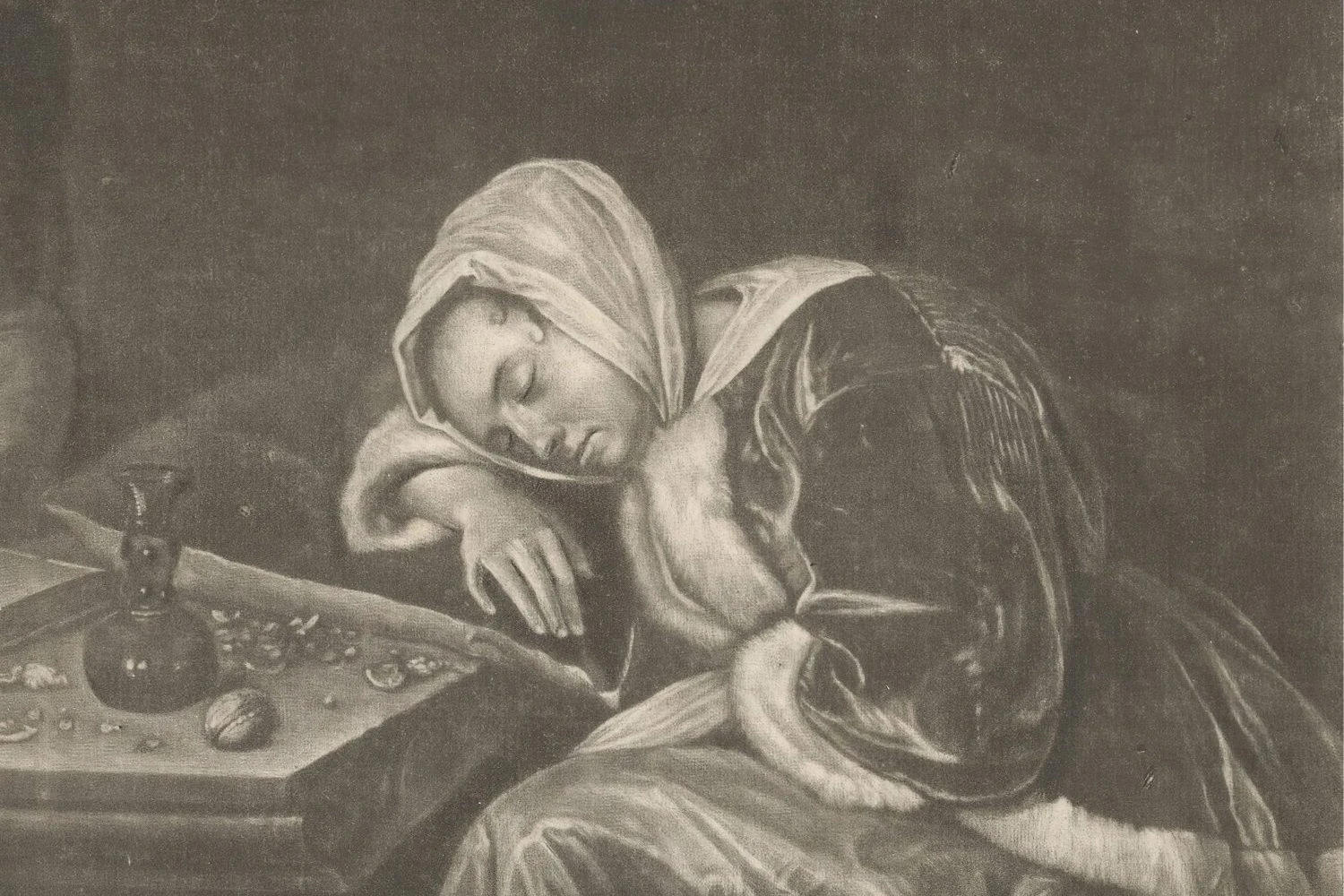
From Cold Apples to Dormouse Fat: Tudor and Elizabethan Sleep Rituals
Diving into Britain's Tudor era (1485-1603), known for its historical drama, reveals a surprising dedication to sleep as a cornerstone of well-being. Many practices, like scenting rooms with flowers and herbs or avoiding heavy foods before bed, align with contemporary sleep hygiene.
However, one peculiar Tudor strategy involved placing a cold apple on one's head. Apples were then believed to possess sleep-inducing qualities.
While this might seem unappealing today, the wisdom might stem from the fact that cooler sleeping environments promote better rest by facilitating melatonin production and allowing the body's temperature to naturally drop, mimicking the conditions for sleep.
Moving to Elizabethan England, another folk remedy suggests a less appealing approach: rubbing dormouse fat on the feet.
This practice, believed to secure a solid night's rest, might draw its inspiration from dormice themselves, renowned for their extensive hibernation, often exceeding 11 months without interruption. The efficacy for humans, however, remains dubious.
The Poison Cabinet: When Insomnia Cures Were Deadlier Than the Condition
Perhaps most alarming are the historical instances of consuming substances now known to be highly poisonous. Ancient Greek physicians prescribed everything from henbane and deadly nightshade to opium poppies for insomnia.
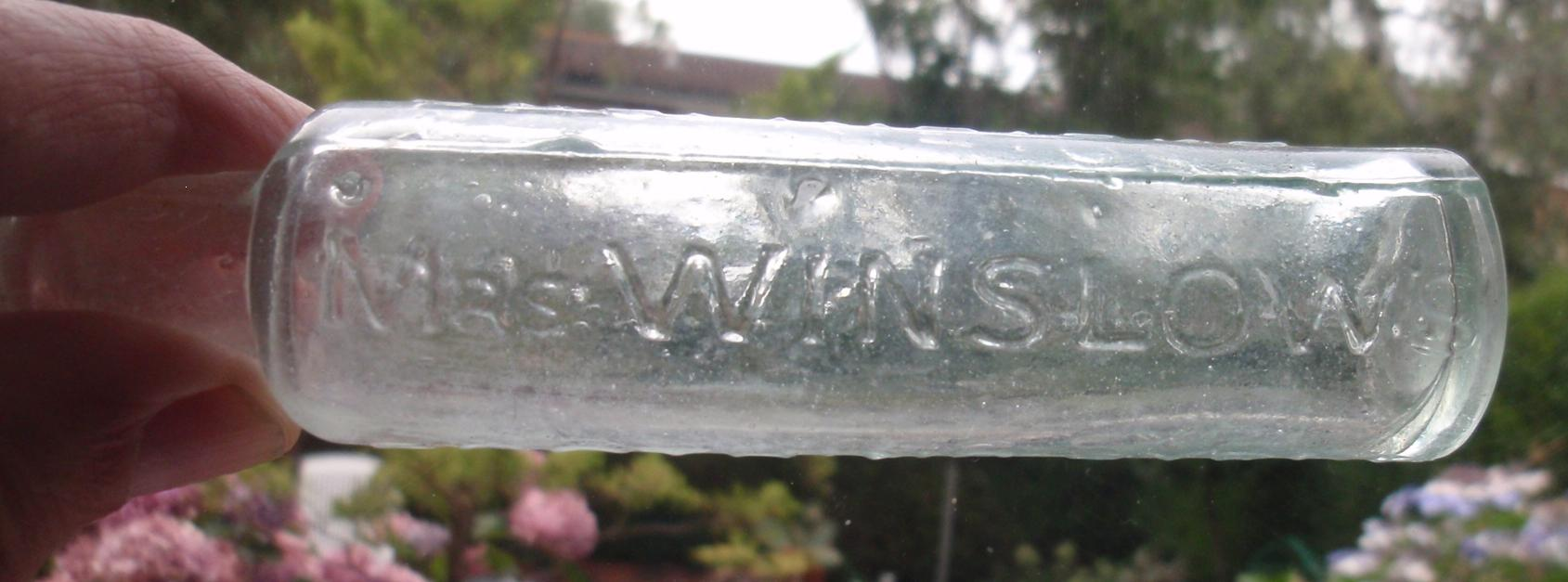
In the 19th century, Mrs. Winslow's Soothing Syrup, a popular tonic containing morphine, was tragically given to infants and small children.
Even as late as 1962, methaqualone, widely known as Quaaludes, was patented in the U.S. as an insomnia treatment, underscoring a historical willingness to use dangerous chemicals in the pursuit of sleep.
Less hazardous, yet still unusual, was the use of "lettuce opium." Certain types of lettuce secrete lactucarium, a substance with mild sedative qualities.
Ancient Egyptians valued these effects as an insomnia cure, and later, Victorians often recommended "lettuce soup" for restlessness, a gentler approach compared to some other historical methods.
Onions, Dung, and Vinegar Bread: Folk Remedies That Defied Logic
Some remedies were more about managing external nuisances than internal states. In the 18th century, people sometimes resorted to putting cow dung at the foot of the bed.
As suggested by Hannah Glasse in her 1760 book, The House-Keeper's Companion, this tactic was intended to keep flies and bugs at bay, particularly in marshy areas. While it might have deterred insects, it's doubtful it fostered restful sleep for humans.

Onions, not typically associated with relaxation, also feature in folk beliefs for inducing sleep. Some people still advocate placing sliced onions beside the bed, attributing to them the ability to clear bad energy and reduce colds.
While the scientific evidence is limited, onions do contain small amounts of L-tryptophan, a natural sedative, and cysteine sulfoxide, which may assist with insomnia.
However, experts generally agree that the amounts are insufficient to genuinely aid sleep. Yet, like many other desperate attempts for dreamland, the "onion method" has found some traction online.
Another peculiar remedy from historical practices involved tying vinegar-soaked bread to the feet, a testament to the sheer variety of methods people have explored in their unending quest for sleep.
Conclusion
What these remedies reveal, strange as they are, is the desperate, universal need to rest. Across centuries and cultures, people have smeared, swallowed, and stuffed their way toward sleep with whatever logic their era allowed.

Some of these methods carried a kernel of genuine science buried under layers of superstition; others were simply acts of hope dressed up as cure.
Today's sleep advice may be better evidenced, but the anxiety driving the search has barely changed.
We are still, in many ways, the same restless creatures lying awake in the dark, just with fewer dormice and more blue light.