Google's Groundbreaking Agentic AI Overhaul Reshapes Search
Google I/O 2026 ushers in an era of agentic intelligence, transforming Google from an answering machine into a proactive AI system performing tasks on users' behalf. Powered by Gemini 3.5 Flash and Gemini Omni Flash, this includes a revamped AI Search box, 24/7 personal agents, and new capabilities across commerce, productivity, and creator platforms. The phased rollout begins in the US to ensure quality and gather user feedback.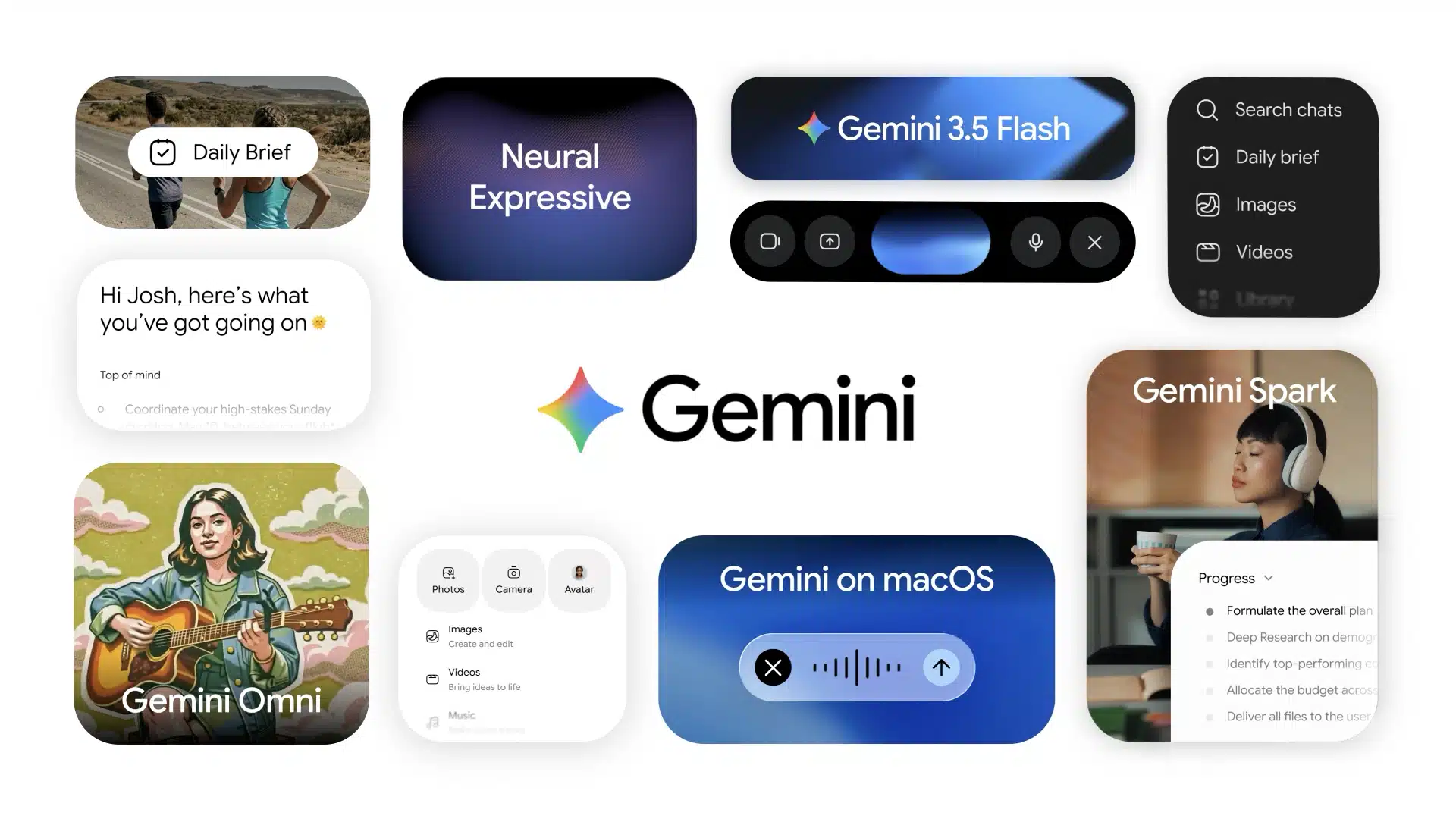
At its Google I/O 2026 event, the technology giant Google heralded the advent of agentic intelligence, signifying a pivotal shift from being merely an 'answering machine' to a proactive, 24/7, background 'agentic AI' system. This new paradigm enables Google to carry out actions autonomously on behalf of users, fundamentally transforming how individuals interact with digital services. Liz Reid, VP and Head of Search, emphasized that Search's longstanding objective to help users with any query, from quick facts to complex questions, is now enhanced by integrating advanced model capabilities. This includes a new, intelligent AI-powered Search box, marking its most significant upgrade in over 25 years.
Google's commitment to reimagining Search with AI has yielded remarkable results, with AI Mode in Search surpassing one billion monthly users within a year of its introduction. Query volumes have more than doubled every quarter since launch, reaching an all-time high in the last quarter, as users discover the expanded capabilities of Search. This latest AI evolution is underpinned by Google's frontier models: Gemini 3.5 Flash and Gemini Omni Flash.
Gemini 3.5 Flash is now the default engine for Google’s AI ecosystem globally. It pushes beyond basic text generation, empowering Google to execute complex, long-horizon tasks for consumers and developers at a fraction of the previous cost. Not only does it run four times faster than competing frontier models in output tokens per second, ensuring users no longer have to compromise quality for speed, but it also demonstrates superior performance on advanced coding and agentic benchmarks. Complementing this, Gemini Omni Flash is a native multimodal model designed to democratize cinematic video production. It allows users to generate and edit high-quality video using any combination of inputs—text, images, audio, or video—and facilitates video editing through natural, conversational instructions.
The redefining of Consumer AI extends significantly into both Search and Gemini. With Gemini 3.5 Flash, the reimagined AI Search box now accepts diverse inputs, including images, text, files, videos, and even Chrome tabs. This repositions Search from a reactive link-retrieval engine to a highly customized, proactive platform capable of building specific tools users need, such as coding custom 'mini-apps' and interactive visual layouts on the fly. An illustrative application is a bespoke expense tracker tailored to individual financial goals. The rollout of this new AI Search box has commenced, becoming available in all countries and languages where AI Mode is supported.
Gemini itself is evolving into a 24/7 personal AI agent, exemplifying the 'Agentic Era.' This enables users to delegate digital chores and execute multi-step workflows, strictly under their explicit direction. Specific agentic tools include Gemini Spark, a cloud-based agent that operates in the background (even with a closed laptop) to perform tasks like parsing credit card statements for hidden subscriptions or synthesizing meeting notes into a Docs draft. Daily Brief acts as an out-of-the-box morning digest, securely compiling urgent Gmail notes and Calendar meetings to aid daily prioritization. Furthermore, 'information agents' will continuously monitor the web to deliver synthesized updates on relevant topics, such as a favorite sports team or house hunting, with their launch anticipated this summer for Google AI Pro & Ultra subscribers.
Taiwo Kola-Ogunlade, Communications and PR Manager for Google West Africa, clarified that these updates do not signify a deprioritization of traditional website links. He stated that users desire both AI and the web, and AI is, in fact, fostering new types of questions and opportunities for content discovery. Google is intentionally designing its Search AI features to facilitate seamless connection to the web, having recently rolled out updates to link displays, including more inline links with website previews, new sections for in-depth articles, and direct links to first-hand advice from online discussions.
Beyond consumer-facing AI, Google is making robust strides in Commerce, Productivity, and Creator Ecosystems. A new intelligent hub tracks items across Search, Gemini, YouTube, and Gmail, marking Google’s most significant push into 'agentic commerce.' This initiative fundamentally alters consumer interaction with online retailers, streamlining checkout processes across various brands. Agents can automatically track price drops, flag product hardware incompatibilities, and securely execute purchases on a user’s behalf within defined spending limits, leveraging the new Agent Payments Protocol (AP2).
Productivity gains are enhanced by the introduction of live conversational voice controls and new image generation tools. Users can now search Gmail, Docs, and Keep hands-free, engaging in conversational brainstorming sessions. Google Pics offers precise object segmentation, allowing users to modify specific items within an image without altering the rest. For creators, Ask YouTube integrates conversational AI natively within the platform to summarize and interact with videos. Google Flow Music enables users to highlight and edit specific song sections, such as translating lyrics or changing a beat drop, all without impacting the original track.
The initial rollout of these transformative features will commence in the United States of America. Taiwo Kola-Ogunlade explained that the proactive nature of agents acting on behalf of users represents a significant shift, necessitating a controlled, phased release to ensure quality and safety. This initial launch in the US, in English, is intended to gather crucial user feedback on these complex new experiences, with plans for expansion to additional markets soon. Feature availability will naturally be subject to regional variations and the local regulatory landscape governing AI services, though Google's overarching goal remains to make its products accessible to as many people as possible.