Google Seeks Approval for Release of 32 Million Sterile Mosquitoes in US Disease-Control Trial
Google is seeking US government approval to release millions of sterilized mosquitoes in California and Florida as part of its 'Debug' program. This initiative uses Wolbachia bacteria to reduce disease-spreading mosquito populations, building on successful trials in Singapore. The project highlights Google's technological approach to global health challenges.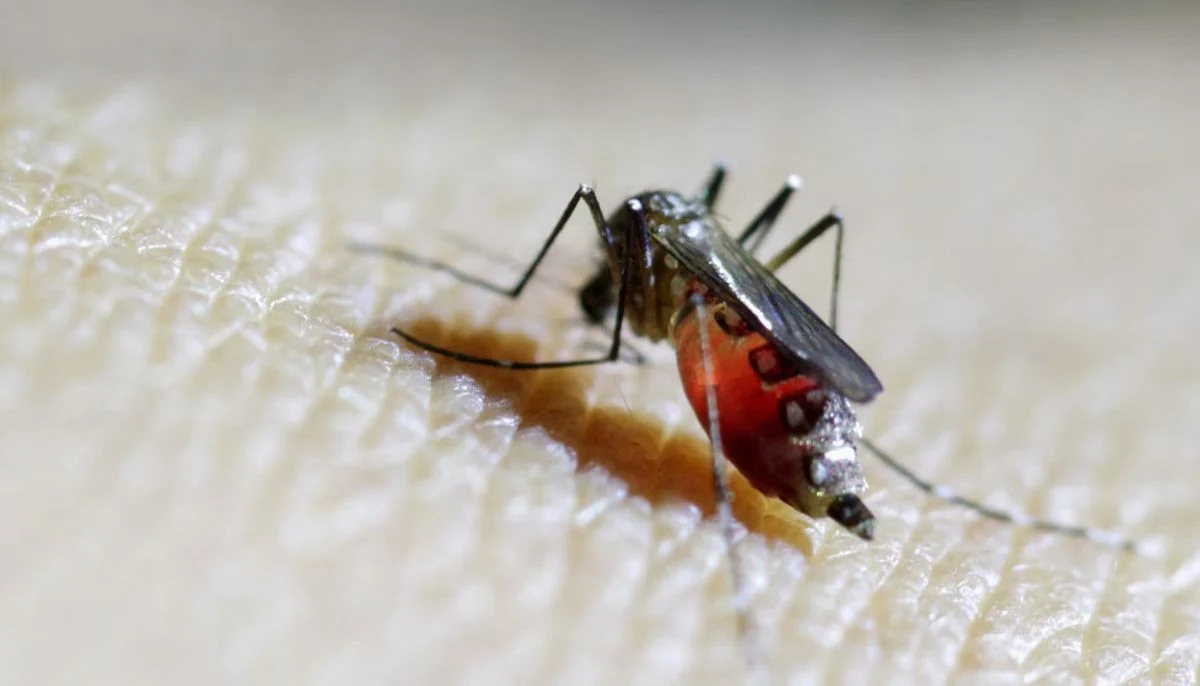
Google is advancing a large-scale mosquito control initiative under its “Debug” program, seeking approval to release sterilized male mosquitoes in selected parts of the United States. The plan covers California and Florida, where the company proposes deploying up to 32 million mosquitoes over time.
The initiative is designed to reduce populations of disease-carrying mosquitoes linked to illnesses such as dengue, Zika, West Nile virus, chikungunya, and malaria. Google describes these insects as among the deadliest animals globally due to their role in disease transmission.
A notice published in the US Federal Register confirms that the Environmental Protection Agency (EPA) is currently reviewing Google’s request for an experimental use permit. The proposal outlines the release of up to 16 million sterile male mosquitoes annually in both Florida and California.
This would run over two years, reaching a cumulative total of 32 million mosquitoes. The EPA’s decision will follow a public comment phase, which is set to close on June 5.
Sterile Insect Strategy Under Review
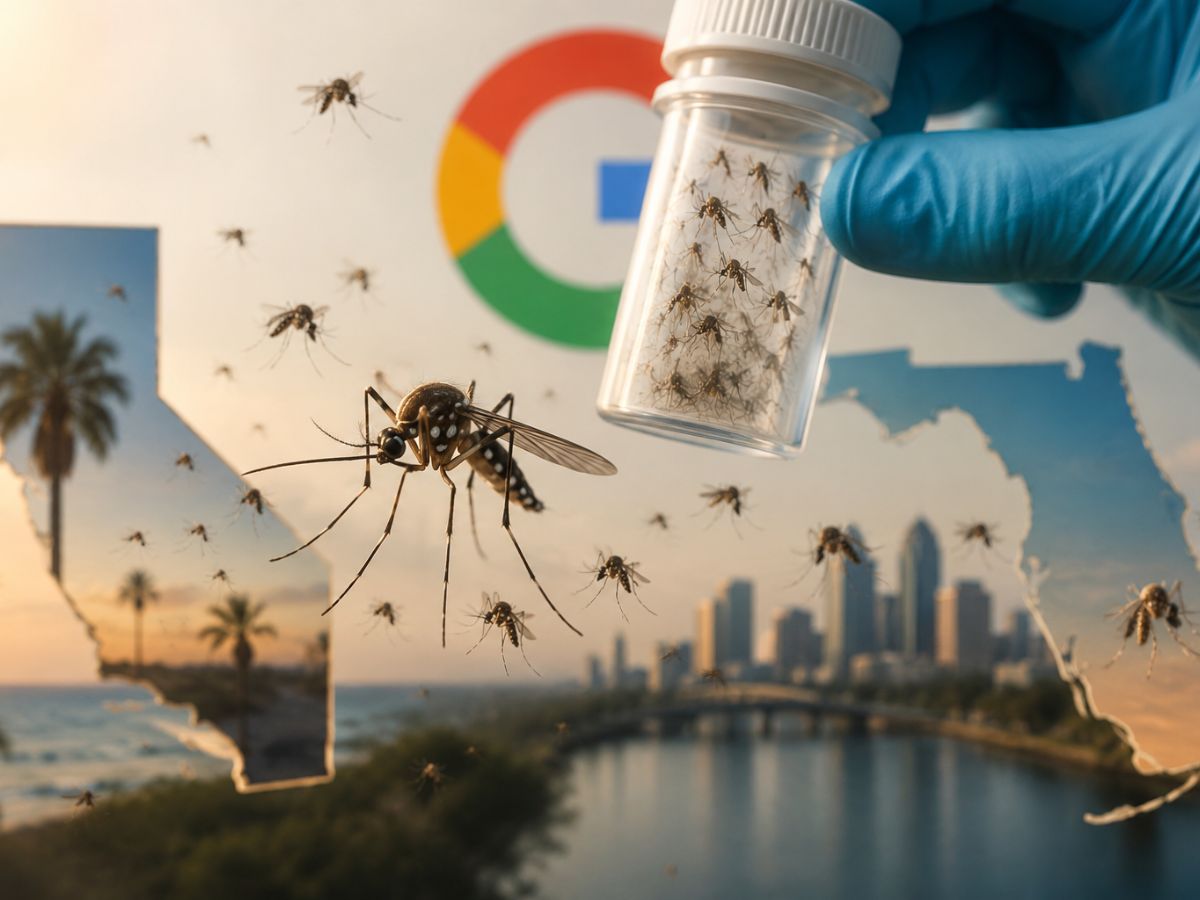
The Debug program is built on the sterile insect technique, which involves releasing male mosquitoes that do not bite or transmit diseases. These males are reared with a naturally occurring bacterium known as Wolbachia, which plays a key role in the sterilization process.
When these males mate with wild female mosquitoes, the resulting eggs fail to hatch. Repeated releases are expected to gradually suppress mosquito populations over successive generations. Google has outlined this mechanism in its public scientific communications and blogposts.
The project traces its origins to Alphabet’s “moonshot” research ecosystem, where it was initially developed under Verily Health, a life sciences company emerging from Google X. Verily previously operated as an Alphabet subsidiary before corporate restructuring, and Google fully acquired Debug in December 2024, integrating it into its core operations.
The program focuses primarily on the Aedes aegypti mosquito, a major vector for dengue, Zika, yellow fever, and chikungunya. It employs AI-powered computer vision systems to accurately distinguish and separate male mosquitoes during automated rearing processes.
Field trials conducted in Singapore recorded an 80–90% suppression of Aedes aegypti populations and more than a 70% reduction in dengue cases within 6 to 12 months, findings that have strengthened confidence in broader deployment plans.