Ghosts, Witchcraft and Global Pop Culture: Halloween’s Place in Urban Africa
Halloween in urban Africa sparks debate over witchcraft, Christian faith and global pop culture as young Africans embrace costumes and parties.
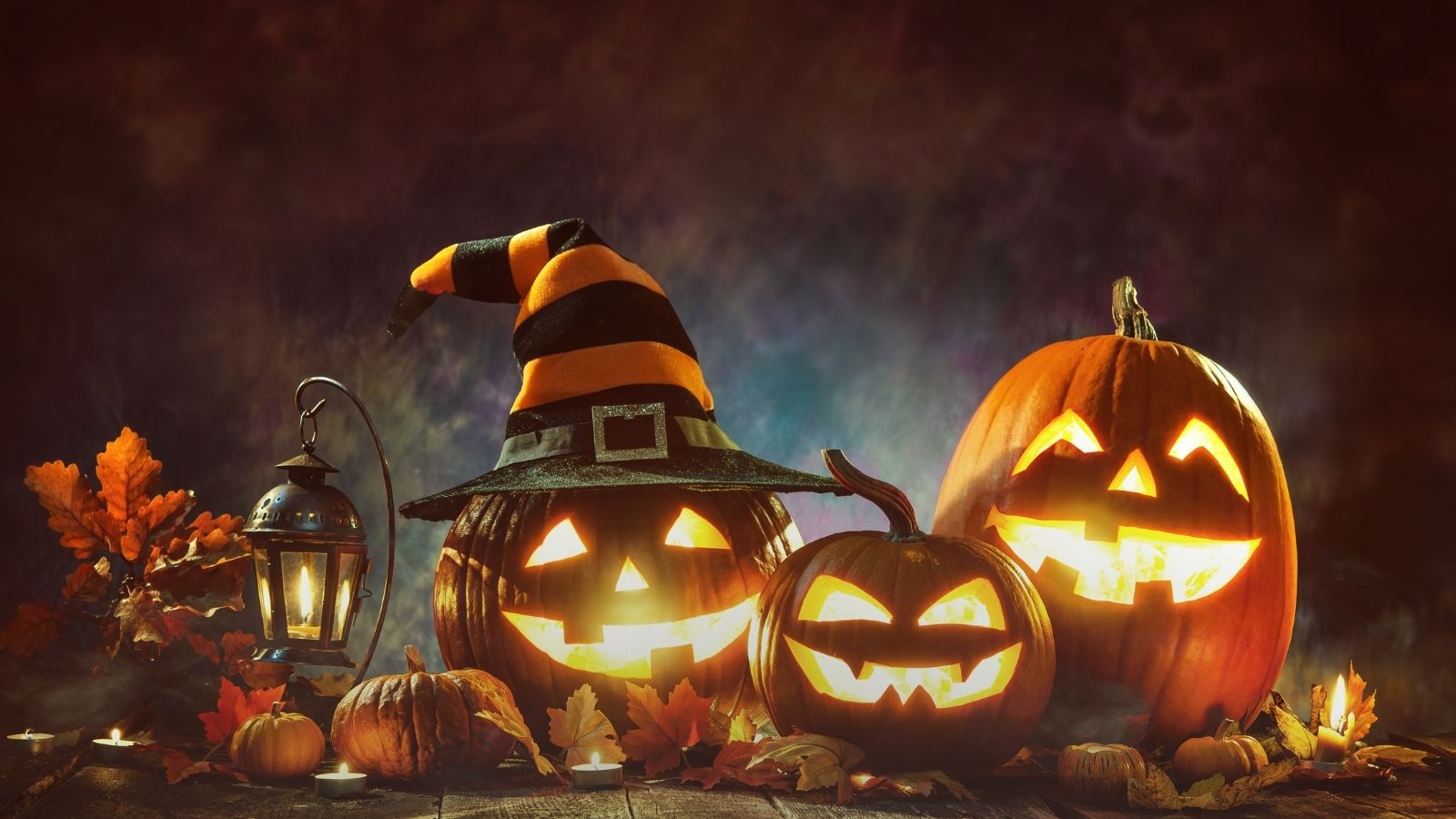
Every year’s October ending has the African internet in the same, recycled argument: should Halloween be celebrated?
Some young Africans genuinely believe it contains too many spiritual and witchcraft symbols to casually participate in. Some couldn’t care less and would participate in it, even when they live seas away from New York.
Halloween is not an African tradition, yet every year it forces a conversation about faith, fear and cultural borrowing across the continent.
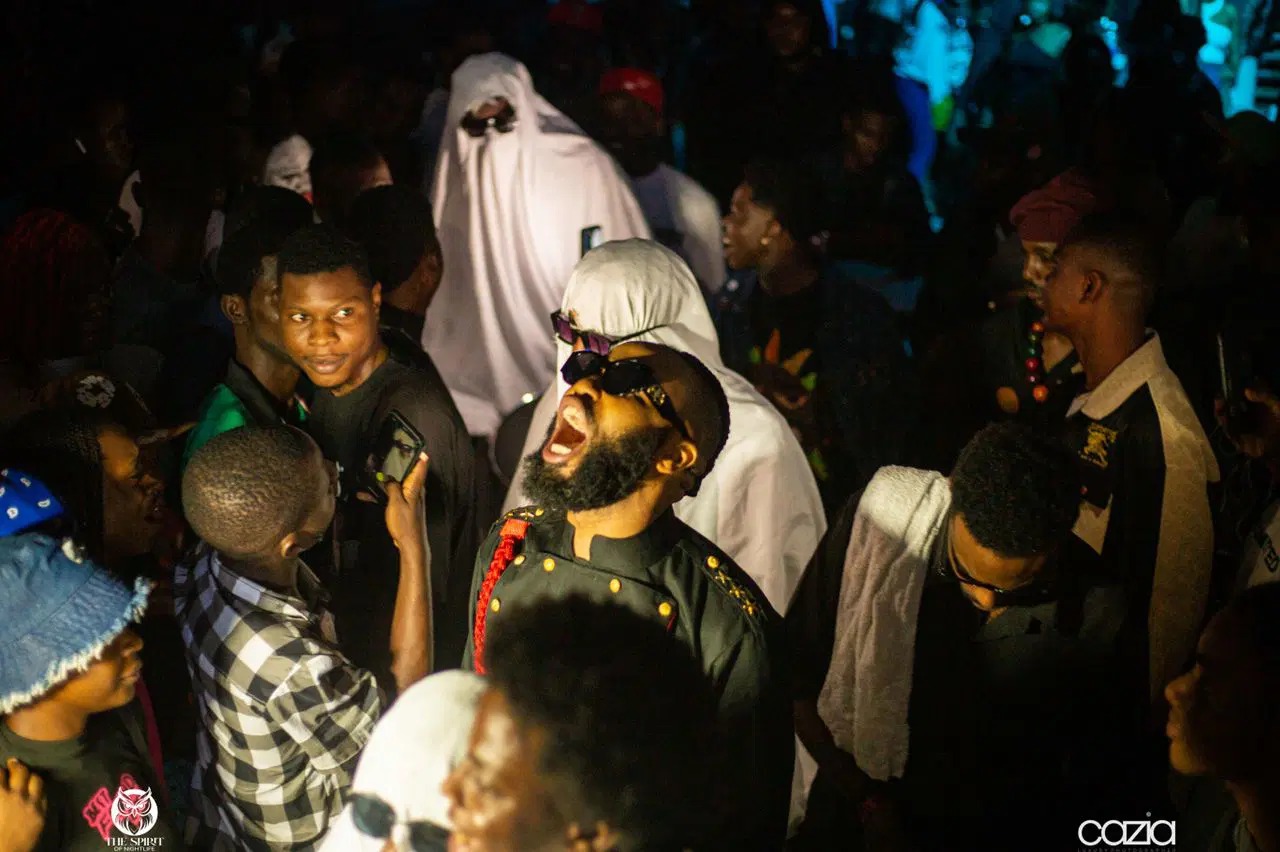
Halloween in Lagos: A Growing Party Culture
Halloween parties in Lagos have moved from niche gatherings to a regular feature of the city’s nightlife calendar. Clubs, lounges, event planners and brands now market Halloween weekends the way they market Detty December.
For many young Lagosians, the holiday is a reason to dress up, take photos and enjoy a night out.
This is the core of Halloween in urban Africa. In most cases, the celebration has little to do with the supernatural. It is a themed social event, and the costume matters more than the meaning behind it.
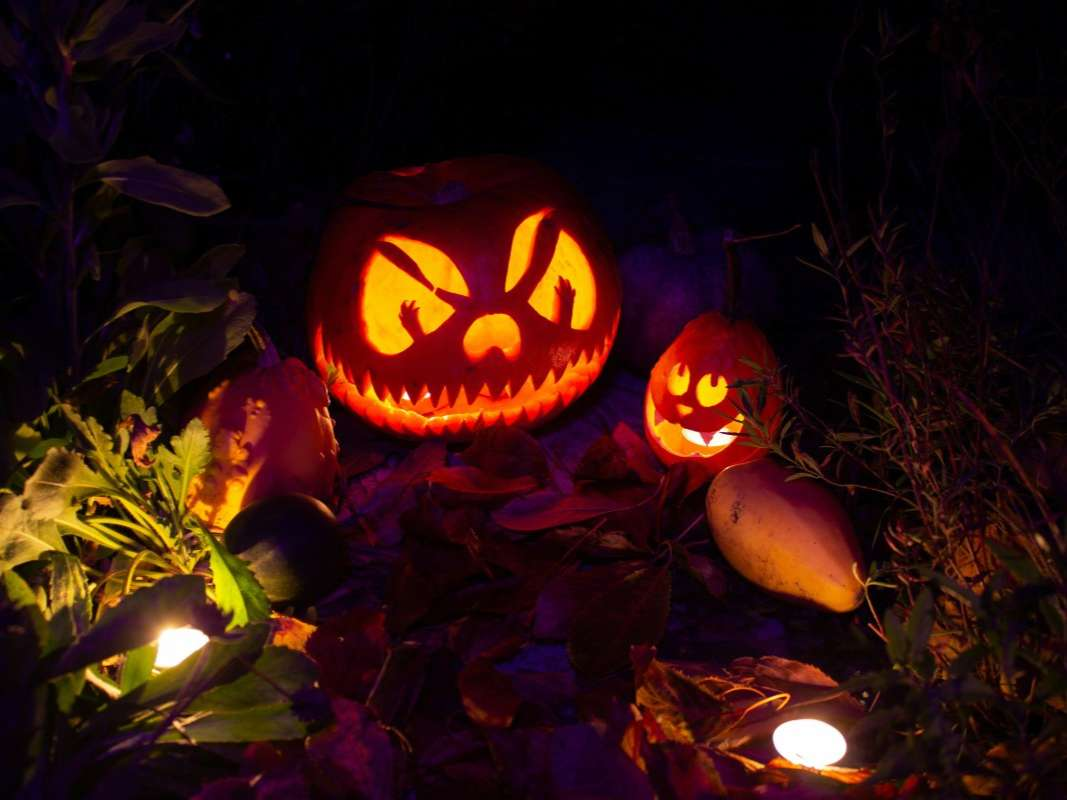
Why Many Africans Associate Halloween With Witchcraft
Halloween imagery is witches, ghosts, skeletons, graveyards and spirits of the dead. In societies where spirituality is part of everyday life, those are heavy symbols.
Social Insight
Navigate the Rhythms of African Communities
Bold Conversations. Real Impact. True Narratives.
Many Africans grow up believing the spiritual world is real and active. Dreams carry warnings, curses are taken seriously, and witches and “village people” are feared.
What is interesting is who makes the connection. Many older Nigerians barely know what Halloween is, since it was never part of their social world.
The loudest voices linking it to witchcraft are young people who met the holiday online or in diaspora spaces and read it through their religious upbringing.
That is why Halloween and witchcraft are so closely linked in African conversations. The concern is mainly about the symbols and how closely they sit to the uncomfortable things many young Africans were taught to avoid.
Where Halloween Actually Comes From

The origins of Halloween are Celtic. The holiday traces back to Samhain, an ancient Gaelic festival marking the end of the harvest season and the start of winter.
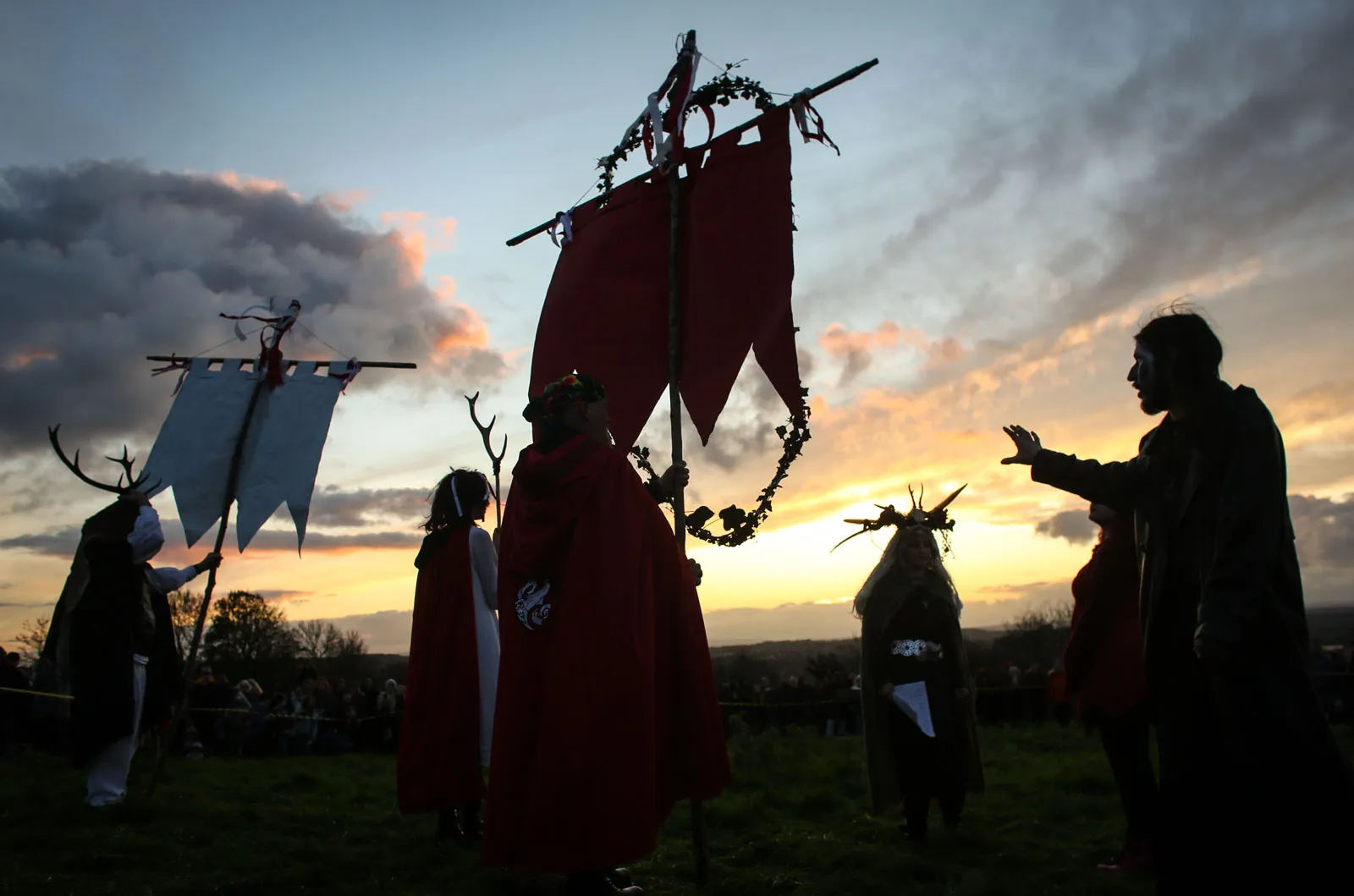
People believed the boundary between the living and the dead grew thin at that time of year.
When Christianity spread across Europe, the Church placed All Saints’ Day on November 1st. The evening before became All Hallows’ Eve, which eventually shortened to Halloween.
Irish and Scottish immigrants carried the tradition to the United States, where it was reshaped into a commercial holiday of candy, costumes and horror aesthetics.
So Halloween is a European festival with pagan roots, later turned into an American cultural export.
How Global Pop Culture Brought Halloween to Africa
Halloween arrived in Africa through screens. Hollywood films, American sitcoms, music videos and, more recently, Instagram and TikTok have made the holiday familiar to young people who have never visited the West.
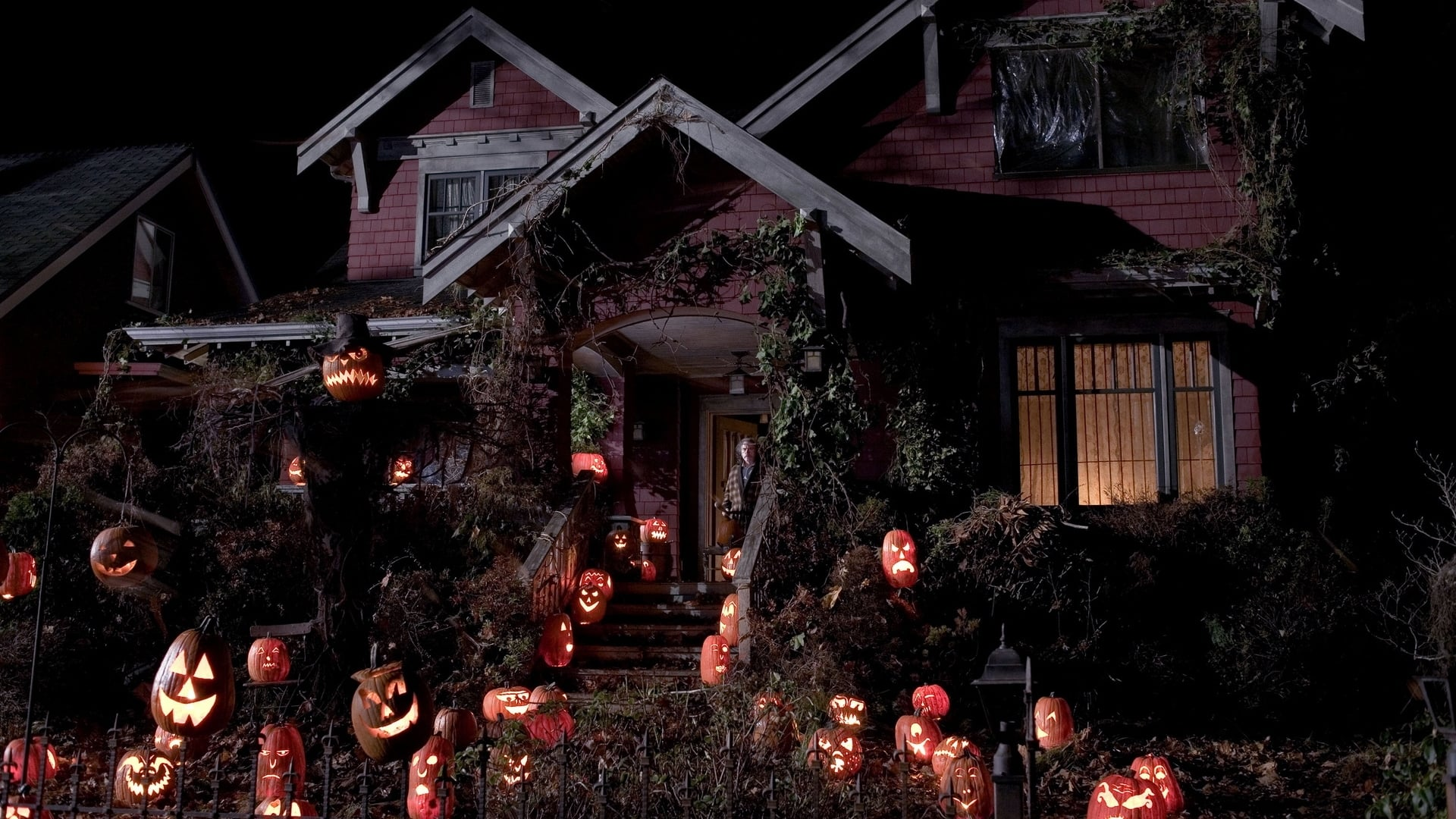
Gen Z Africans consume the same content as their peers outside of the continent. They see costume trends, makeup tutorials and party themes in real time.
Social Insight
Navigate the Rhythms of African Communities
Bold Conversations. Real Impact. True Narratives.
Local businesses notice the interest and respond with events, which gives the holiday a physical presence in cities like Lagos.
This is soft power at work. A holiday popularised in one country, a continent away, becomes a local weekend plan because culture travels faster than context.
Faith and Halloween: The Argument From Both Sides
The religious objection is sincere. Young believers argue that wearing the symbols of witchcraft, even playfully, invites spiritual harm.
Their posts and comment threads tend to carry a warning tone, and some treat anyone attending a Halloween party as having crossed a line.
The other side argues that intent matters. A person in a vampire costume at a rooftop party is not practising witchcraft, they say, just as someone who dresses as a ghost for a photo is not summoning one.
For these Africans, Halloween is entertainment, and treating it as a spiritual threat gives it more power than it deserves.
Both positions come from the same place. African spirituality takes symbols seriously, whether the person is deciding to avoid a costume or deciding it carries no meaning.
Is Halloween Part of African Culture?
It has been established that the roots of Halloween is celtic. However, ironically, many African cultures have their own traditions involving masks, ancestors and the spirit world.
But, there is a difference. These traditions are not merely for entertainment. For instance, Yoruba Egungun masquerades honour the dead and are treated with deep reverence.
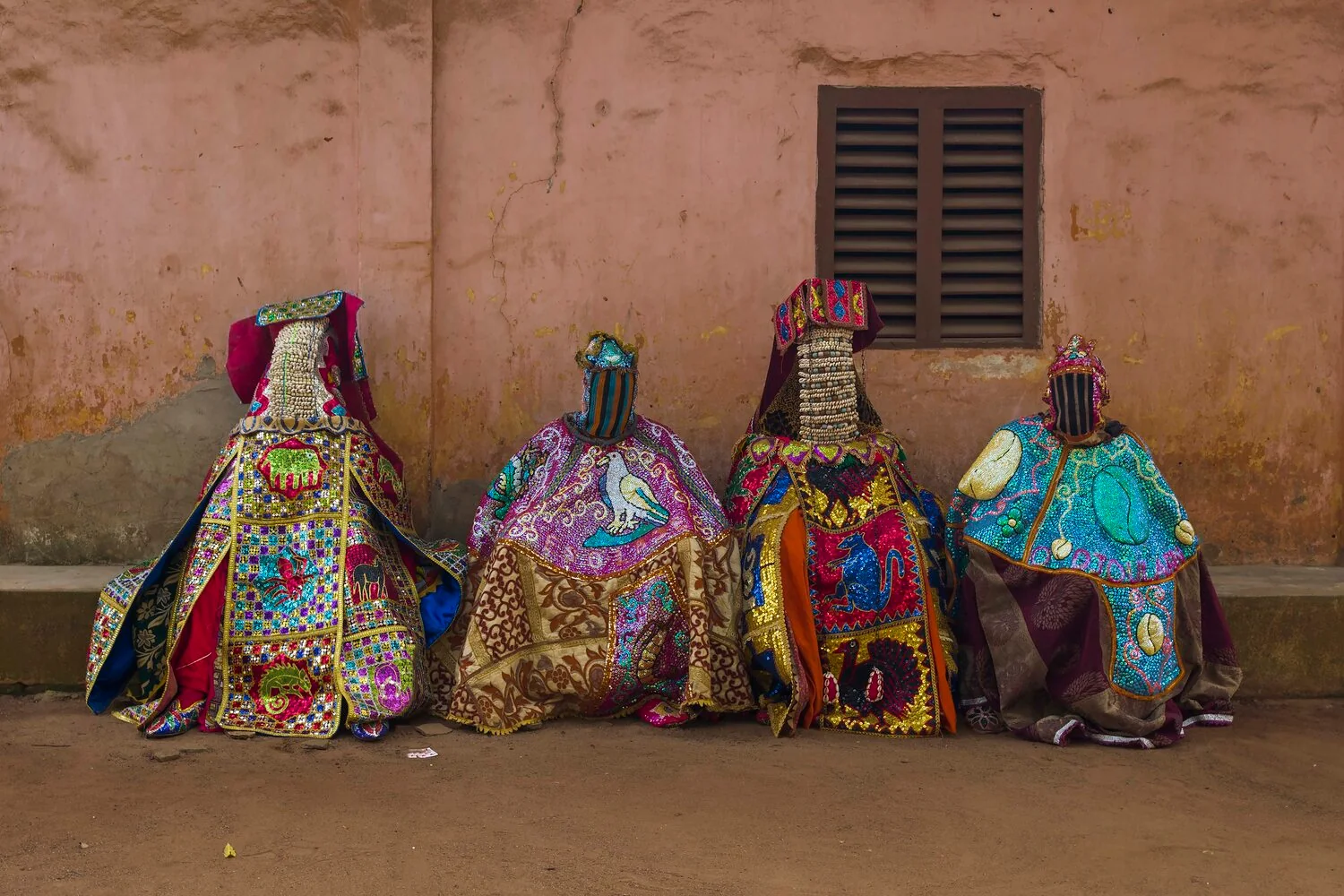
Across the continent, ancestral veneration is a living practice and not another costume theme.
Seen this way, Halloween feels shallow to some Africans, a performance of spooky aesthetics without the spiritual weight their own cultures attach to the dead.
Others argue that adopting Halloween does not replace those traditions. It simply sits beside them as another borrowed celebration, much like Valentine’s Day or Black Friday.
Social Insight
Navigate the Rhythms of African Communities
Bold Conversations. Real Impact. True Narratives.
The Verdict: Costume or Conviction?
Halloween in Africa is a mirror. It shows how deeply spirituality shapes daily life, and how powerfully global pop culture can reach into local spaces. Some Africans will spend October 31st in costume at a Lagos party, some will steer clear away from such venues.
The more useful question is not whether Halloween is good or bad. It is why a holiday from a distant country can stir up such strong feelings about faith, identity and what counts as ours.
Until Africans settle that question on their own terms, Halloween will keep returning every October, welcomed by some and resisted by others.