Ghana Postpones Ramaphosa Visit as Xenophobia Row Strains Ties with South Africa
Ghana has expressed strong dissatisfaction and taken diplomatic action against South Africa following recent xenophobic attacks, including postponing President Ramaphosa's state visit and repatriating citizens. Ghanaian officials criticized South Africa's handling of the crisis and called for firm diplomatic channels to resolve the escalating tensions. Concerns also rose regarding potential economic repercussions for South Africa should diplomatic relations continue to deteriorate.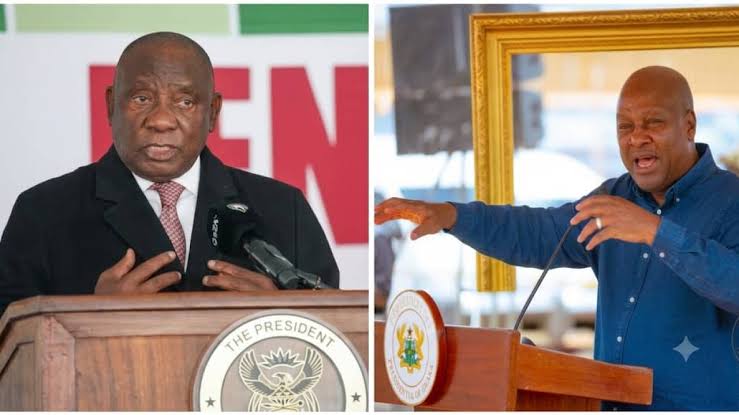
Diplomatic tensions have escalated between Ghana and South Africa after recent xenophobic attacks and anti-migrant protests prompted Ghana to postpone a planned state visit by South African President Cyril Ramaphosa and begin repatriating some of its citizens.
Ghanaian lawmakers criticized Ramaphosa's response to the unrest, accusing him of failing to strongly condemn xenophobic violence, particularly following reports that a Ghanaian citizen was killed during the disturbances.
The Minority in Ghana's Parliament also backed the government's decision to refer the matter to the African Union (AU) while calling for greater accountability from South African authorities.
The dispute has also sparked diplomatic exchanges between officials from both countries. While Ghana's government insisted postponing Ramaphosa's visit was a precautionary measure to prevent tensions from overshadowing bilateral discussions, some lawmakers criticized the public back-and-forth between the two countries' foreign ministers, arguing that sensitive issues should be handled through diplomatic channels.
South Africa has maintained its commitment to strengthening relations with Ghana and expressed its willingness to reschedule the visit at a mutually convenient time.
Beyond the diplomatic fallout, analysts warn the dispute could carry wider economic consequences if relations continue to deteriorate. Economist Professor William Kwasi Peprahcautioned that prolonged tensions could disrupt trade, investment, tourism, and broader regional cooperation, particularly under the African Continental Free Trade Area (AfCFTA).
The disagreement has been further complicated by conflicting accounts over the reported death of a Ghanaian national during the protests. While Ghanaian officials linked the incident to the unrest, South African authorities denied the claim, insisting the reported death was unrelated and accusing Ghana of circulating inaccurate information. Despite the disagreement, both governments have maintained that the longstanding relationship between the two countries remains intact.