Ghana's Gold Rush Reckoning: New Laws, Legal Battles & Outcry Amidst Galamsey Crackdown
Ghana is implementing stringent legal and regulatory reforms to combat illegal mining, or 'galamsey', with new legislation aimed at revoking contentious mining licenses and prohibiting mining in forest reserves. High-profile prosecutions, including that of NPP Chairman Wontumi, are underway, while specialized courts are being established to expedite justice. These efforts coincide with an updated understanding of 'galamsey', distinguishing between traditional artisanal methods and modern, destructive operations, as the nation strives for environmental restoration and sustainable mining practices.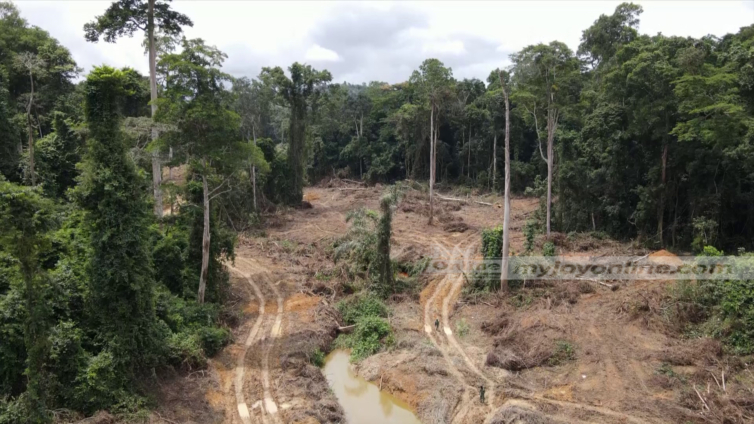
Ghana is intensifying its fight against illegal mining, popularly known as 'galamsey', with President John Mahama leading high-level engagements with Civil Society Organizations (CSOs) to forge lasting solutions. Attorney General and Minister for Justice, Dr. Dominic Ayine, has outlined a series of legal and regulatory reforms central to the government's efforts to curb this menace, which has evolved from traditional artisanal practices into a destructive, industrialized activity.
A critical legislative step involves the imminent revocation of the controversial L.I. 2462, widely criticized for permitting mining in forest reserves. Dr. Ayine announced that Legislative Instrument (L.I.) 2501 will be laid before Parliament on October 14, upon its resumption, effectively revoking L.I. 2462 within 21 days of being laid. Furthermore, a new bill is being prepared to clearly prohibit mining in forest reserves. The current Minerals and Mining Act allows licenses and leases across Ghana's entire territory, including sensitive ecological zones. The proposed bill will include a schedule listing all forest reserves where mining will be categorically forbidden, making it politically challenging to alter such protections without parliamentary approval.
Enforcement actions are also escalating, with high-profile individuals facing prosecution. Dr. Ayine disclosed that the Ashanti Regional Chairman of the New Patriotic Party (NPP), Bernard Antwi Boasiako, popularly known as Chairman Wontumi, and five others, including his firm Akonta Mining, will be prosecuted for alleged illegal small-scale mining. Charges have already been signed, and Chairman Wontumi has been directed to report for his rights to be read, failing which an arrest warrant will be issued. Investigations into Akonta Mining reportedly date back to 2002 but were concealed until the current administration. To expedite such cases, the Chief Justice has agreed to assign specialized courts, and Cabinet is preparing to approve a new Public Tribunals Bill to grant circuit tribunals exclusive jurisdiction over mining cases, with strict timelines for trials.
The term 'galamsey' historically referred to small-scale, community-based gold prospecting and mining, dating back over 2,000 years. Traditionally, these operations involved rudimentary tools and manual labor, targeting shallow surface deposits. While often informal and technically illegal when on licensed lands, 'galamsey' once served as a vital livelihood for many rural Ghanaians. However, the landscape has dramatically shifted. Modern 'galamsey' operations frequently deploy heavy equipment like excavators and mechanized dredging machines, drastically increasing their scale and environmental footprint. Much of what is currently labeled 'galamsey' no longer fits the original definition; these are often commercial interests, sometimes operating under the guise of government-issued licenses, engaging in highly destructive practices. PNDC Law 218, intended to legitimize small-scale mining, ironically led to an explosion in license issuance, particularly under the Minerals Act of 2006. Data from the Ghana Mining Repository shows a significant increase in licenses granted, from a mere 40 between 1989-2006 to over 2,151 from 2017-2025. This evolution necessitates a distinction between illegal small-scale mining and licensed but irresponsible mining, emphasizing that in Ghana, mining is either legal or illegal, with ethical and sustainable methods being key.
The impact of unregulated mining is profound. The number of people involved has surged, from early estimates of 20,000-50,000 to approximately 200,000 directly and 3 million indirectly dependent on the sector by 2017. These activities are concentrated in southern Ghana, leading to impoverished settlements lacking basic services, and exposing workers, including women and children, to hazardous conditions like frequent accidents and mercury poisoning. A dire consequence is the proliferation of abandoned mining pits, which have claimed numerous lives. In the Ashanti Region alone, at least eleven people have died in such pits, including recent incidents at Kasotie and children drowning elsewhere. The Minerals Development Fund (MDF) has signaled its readiness to pursue miners who abandon open pits, and some miners are now voluntarily reclaiming their concessions.
The National Anti-Illegal Mining Operations Secretariat (NAIMOS), under Col. Dominic Buah, has declared zero tolerance for illegal miners, their associates, and financiers, labeling them