Ghana's Controversial Anti-LGBTQ+ Bill Roars to Passage, Defying International Pressure
Ghana's Parliament has passed the controversial Anti-LGBTQ+ Bill, sparking debates over its amendments, procedural validity, and potential economic repercussions. While some argue the bill was weakened, its sponsors maintain it clarifies constitutional rights, with key figures advocating for Ghana's sovereignty over foreign aid. The legislation now awaits presidential assent amid intense local and international scrutiny.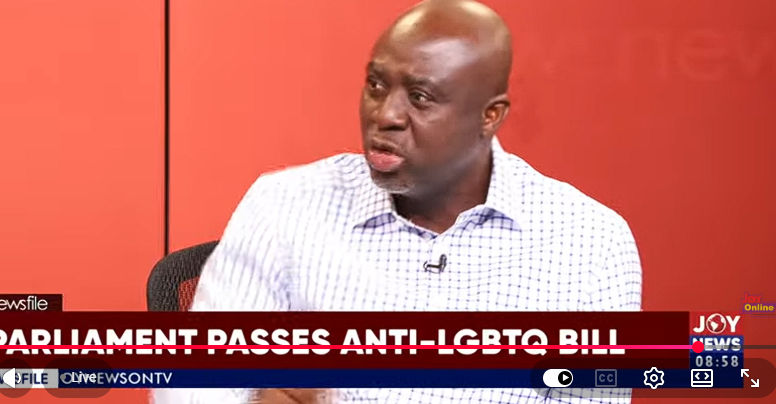
Ghana's Parliament has recently passed the Human Sexual Rights and Family Values Bill, widely known as the Anti-LGBTQ+ Bill, a controversial piece of legislation that seeks to criminalize LGBTQ+ activities, advocacy, and the promotion of non-conventional sexual relations and family values within the country. This legislative development followed months of intense national debate and international scrutiny, culminating in its approval after significant amendments.
The introduction of these amendments has sparked considerable debate among political figures. Isaac Boamah-Nyarko, the Effia MP and a member of Parliament’s Finance Committee, accused the NDC government of weakening the bill by introducing changes after its reintroduction in the Ninth Parliament. He argued that if the previous version was considered "fit for purpose," it should have been reintroduced without substantial alterations, asserting that the amendments have watered down key provisions and validated earlier concerns. Mr. Boamah-Nyarko questioned why changes were made to aspects previously defended as adequate, suggesting that the amendments imply the original bill required further review and refinement. He also alleged that the entire LGBTQ+ discussion between 2020 and 2024 was primarily for political purposes, unfairly portraying the Akufo-Addo administration as being opposed to the legislation.
Conversely, Samuel Nartey George, the Ningo-Prampram MP and a principal sponsor of the bill, rejected claims that the legislation has been weakened, insisting that criticisms from the Minority in Parliament are politically motivated. He described the ongoing controversy as an attempt by the opposition New Patriotic Party (NPP) to score political points and "whitewash" President Akufo-Addo's refusal to sign the previous version. Mr. George maintained that the amendments were introduced to provide clarity, ensure constitutional rights are protected, and strengthen the bill against potential legal challenges, rather than weakening its core objectives. He explained that exemptions, such as those protecting legal advice and representation, were explicitly spelt out to avoid future misinterpretation and ensure consistency with the Constitution.
Beyond the content, questions regarding the procedural validity of the bill's passage have also emerged. Private legal practitioner and activist Osagyefo Oliver Barker-Vormawor raised concerns on Facebook, claiming that the legislation might have been approved without the constitutionally required quorum, suggesting only 34 Members of Parliament were present. His comments have intensified debate over the legality and legitimacy of the legislative process.
The revised bill includes several strategic legal exemptions, responding to concerns raised during parliamentary deliberations and stakeholder engagements. These safeguards protect lawyers providing essential legal representation to LGBTQ+ individuals, journalists and media organizations objectively reporting on LGBTQ+ issues, and medical or mental health professionals offering standard healthcare, counseling, or psychological support. Despite these human rights adjustments, the bill continues to provoke significant, polarizing debates.
The financial implications of the bill have also been a major point of contention. Western governments and multilateral donors had hinted at severe fiscal consequences, including potentially freezing vital budgetary support, if the bill became law. In response, Most Rev. Matthew Kwasi Gyamfi, President of the Ghana Catholic Bishops’ Conference, stated that Ghana must be fully prepared to reject foreign aid if it conflicts with the country’s values and national interests. He fiercely questioned the morality and value of international financial assistance, suggesting that the potential withdrawal of foreign funding should be seen as an opportunity for Ghana to break its cycle of dependency and achieve true sovereignty. He challenged the government and citizens to embrace structural sacrifices to defend national principles, even at the cost of millions of dollars in external loans and grants, advocating for economic restructuring towards complete self-reliance.
Private legal practitioner Amanda Clinton echoed these sentiments, stating that Parliament’s passage of the bill sends a clear signal that Ghana's cultural, religious, and family values outweigh concerns about potential financial repercussions from international partners. She acknowledged warnings from Ghana's finance ministry about risking approximately USD 3.8 billion in World Bank financing over five to six years and potential impacts on IMF programming, yet noted that Parliament's overwhelming support demonstrated a prioritization of social values over financial costs. Clinton maintained that lawmakers were speaking for the majority of Ghanaians, highlighting the tension between competing perspectives on human rights, cultural identity, and national sovereignty.
The bill, having been passed by Parliament, now awaits presidential assent to become law. Samuel Nartey George expressed relief and gratitude for Parliament's leadership, particularly Speaker Alban Sumana Kingsford Bagbin, for their role in advancing the legislation. He expects the bill to be transmitted to the President within the coming week, after which supporters will demand its signing. The legislative journey, which began in 2021, marks a significant moment in Ghana's ongoing national conversation about human rights, cultural identity, and sovereign decision-making.