Ghana's Cocoa Crisis Deepens: $1BN Scandal Rocks COCOBOD Amidst Farmer Outcry
Ghana's cocoa sector faces a severe liquidity crisis, marked by a $941 million trade deal loss and hundreds of thousands of unpaid farmers. The government is addressing historical grievances and recent producer price cuts while working to clear outstanding payments and implement lasting reforms.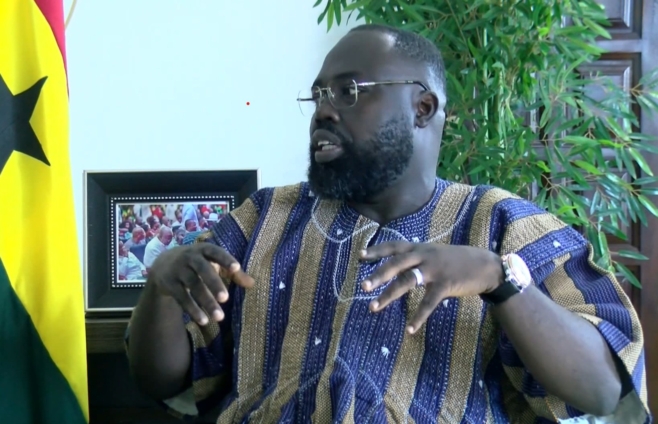
Ghana's vital cocoa sector is currently embroiled in a severe liquidity crisis, a situation that has left hundreds of thousands of cocoa farmers unpaid since November 2025. This crisis is largely attributed to a staggering loss of nearly $941 million from a single cocoa trade deal. Dr Peter Boamah Otokunor, Director of Presidential Initiatives in Agriculture and Agribusiness at the Office of the President, revealed that Ghana bought cocoa beans from farmers at $7,200 per tonne only to use them to settle pre-existing contracts priced at a significantly lower $2,600 per tonne. This substantial disparity contributed to the profound financial shortfall.
Explaining the depth of the challenge, Dr Otokunor highlighted that approximately 240,000 metric tonnes of cocoa were diverted to service inherited rollover contracts from the previous administration, with the remaining volume sold on the international market at unfavourable prices. The Ghana Cocoa Board (COCOBOD) entered the 2025/26 season burdened by an estimated GH¢60 billion in total liabilities, including GH¢17.8 billion in loans and GH¢26.5 billion from cocoa road contracts awarded between 2014 and 2024. These rollover contracts effectively compelled the new government to sell premium-priced cocoa at outdated, low legacy rates, compounding the financial strain.
Further exacerbating the liquidity issues, COCOBOD notably abandoned its 32-year-old model of securing syndicated financing for both the 2024/25 and 2025/26 seasons. This financing mechanism had historically provided crucial seed funding for Licensed Buying Companies (LBCs) to purchase cocoa at harvest. Without this essential funding pipeline, the substantial losses incurred from the rollover contracts left COCOBOD without sufficient liquidity to compensate cocoa farmers and other stakeholders across the value chain. This revelation helps clarify the intricate financial pressures behind the government’s recent adjustments to cocoa prices and explains the current administration's direct engagement with farmers.
Frustrations among Ghana’s cocoa farmers, however, are not solely a result of recent price reductions, but stem from years of stagnant farmgate prices despite rising global cocoa values. Dr Otokunor noted that between 2017 and 2020, there was no increase in the farmer’s producer price, and even subsequent adjustments were inconsistent and failed to adequately reflect global market conditions. He also alleged that under the previous administration, farmers received as little as 30% of the Free-On-Board (FOB) price, a concern that became a key campaign issue for the National Democratic Congress (NDC) ahead of the 2024 elections. Allegations also surfaced regarding the diversion of funds intended for the education of cocoa farmers' children and for road construction in non-cocoa growing zones.
In February 2026, the government reduced the producer price for cocoa by 28.6%, from GH¢3,625 to GH¢2,587 per 64kg bag. This decision, defended by Dr Otokunor as unavoidable, was attributed to a sharp decline in international cocoa prices, which had peaked at over $12,000 per tonne in late 2024 but fell significantly to about $3,772 per tonne by early 2026. Government officials emphasize that producer prices cannot be determined without factoring in the realities of the international market, as Ghana sells its cocoa globally and must align its pricing decisions accordingly.
Efforts are intensifying to resolve the farmer payment crisis, with Dr Otokunor expressing hope that outstanding arrears will be cleared within the next two to three weeks. The total debt owed to LBCs currently stands at approximately $750 million, equivalent to between GH¢7.5 billion and GH¢8 billion. The government has already disbursed roughly GH¢4 billion within two weeks. However, challenges persist, as industry figures indicate that as of early March 2026, LBCs collectively owed local banks between GH¢7 billion and GH¢8 billion in pre-financing loans, with interest rates reportedly as high as 29.8%. This raises concerns that some released funds might be used to service bank debts rather than directly paying farmers.
The severity of the situation has been acknowledged by COCOBOD’s Chief Executive Officer, Dr Randy Abbey, who confirmed on February 6, 2026, that thousands of farmers had experienced payment delays and that about 50,000 tonnes of cocoa remained unsold. The Minority in Parliament has also scrutinized the issue, calling for transparency in cocoa revenue distribution. Dr Otokunor has vehemently described the alleged mismanagement at COCOBOD under the previous administration as "crimes against humanity" and supported calls for the prosecution of those responsible. The Attorney General’s office is currently investigating COCOBOD’s activities over the past eight years, alongside a forensic audit of its finances and operations.
Despite these challenges, the Mahama administration reiterated its commitment to addressing the liquidity crisis, restoring confidence in Ghana’s cocoa marketing system, and implementing sustainable reforms to prevent future disruptions. Ghana’s cocoa sector remains a crucial economic pillar, supporting about 800,000 farm families across 10 regions and generating approximately $2 billion in foreign exchange annually. Ongoing engagements with farmers are intended to clarify pricing decisions and build consensus for long-term industry stabilization.