Ghana Faces GH¢21 Billion Audit Scandal Amid Calls for Prosecution
Ghana’s Ministry of Finance audit reveals GH¢21 billion in irregular public claims, prompting calls for prosecution and systemic reforms to strengthen accountability.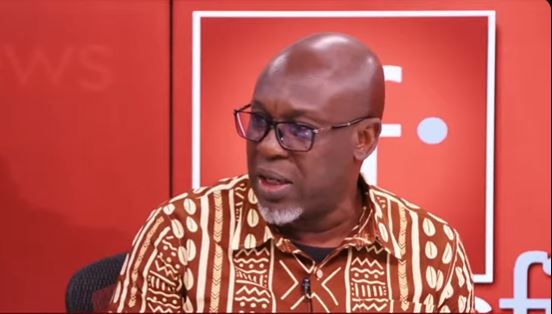
An extensive audit by Ghana’s Ministry of Finance has uncovered widespread financial irregularities, triggering a national debate on public sector accountability.
The audit reviewed GH¢68.7 billion in claims, rejecting GH¢8.1 billion due to anomalies and flagging another GH¢13.2 billion for serious concerns, totaling GH¢21.3 billion under scrutiny.
Irregularities include unsupported documentation, duplicated submissions, inflated claims, forged receipts, and alleged collusion between contractors and officials.
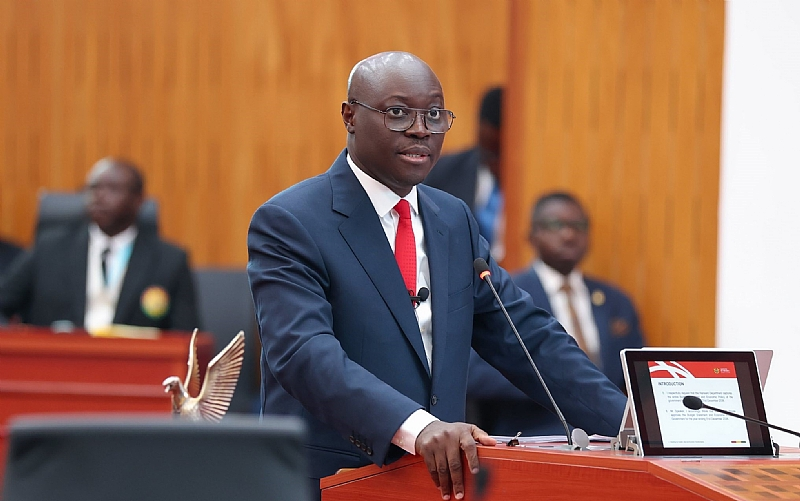
Deputy Finance Minister Thomas Nyarko Ampem presented the findings to Parliament on behalf of Finance Minister Dr. Cassiel Ato Forson, highlighting deep-seated weaknesses in the public financial management system.
Critics like Kofi Bentil of IMANI Africa argued accountability should also extend to civil servants who process and approve transactions, not just politicians.
Others, including Michael Okyere Baafi and Andrew Egyapa Mercer, suggested the audit disclosure may be politically motivated, aimed at diverting attention from pressing national challenges.
Meanwhile, figures such as Joe Jackson, CEO of Dalex Finance Ghana, have called for prosecution and jailing of those implicated to prevent continued abuse of public funds.
Senyo Hosi, convener of the OneGhana Movement, described the findings as evidence of systemic failure, urging reforms in the accountability framework and stronger institutional oversight.
The Ministry of Finance has referred the matter to the Office of the Attorney-General and Ministry of Justice for potential criminal prosecution.
In parallel, the government introduced a “triple-lock” accountability system to strengthen verification procedures and tighten budgetary controls before approving public payments.
Senyo Hosi also commended Finance Minister Forson for initiating the audit, calling it a “bold and necessary step” towards greater transparency in managing Ghana’s public resources.
The scandal has reignited discussions on balancing political responsibility with bureaucratic diligence while demanding systemic reforms for long-term financial integrity.