Ghana Defies Odds: IMF Hails Stellar 2025 Economic Performance and Reform Success
Ghana's IMF Extended Credit Facility program is firmly on track, with the fifth review successfully completed and $2.8 billion disbursed. The IMF Resident Representative, Dr. Adrian Alter, confirmed significant macroeconomic improvements in 2025, including lower inflation, higher growth, and a stable currency, refuting claims of leniency. Future stability hinges on sustained domestic fiscal discipline and institutional checks, with the IMF continuing its surveillance and support post-program.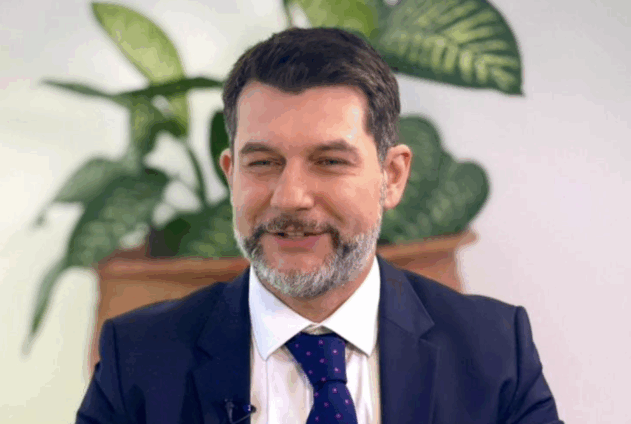
Ghana’s Extended Credit Facility (ECF) programme with the International Monetary Fund (IMF) has been declared “solid and firmly on track” following the successful completion of its fifth review. Dr. Adrian Alter, the IMF Resident Representative in Ghana, confirmed this development on Joy News’ PM Express Business Edition, announcing that the IMF Executive Board approved the review on December 17, unlocking further disbursements and reaffirming confidence in Ghana’s economic recovery. Total disbursements under the ECF programme have now reached approximately $2.8 billion.
Dr. Alter highlighted that Ghana's overall performance was categorized as “generally satisfactory,” with all indicative and performance criteria targets met and most of the reform agenda concluded and implemented. This positive assessment comes amid public debate questioning whether Ghana's strong performance reflects genuine economic progress or merely favorable treatment from the IMF.
Dr. Alter emphatically rejected this notion, stressing that the Board's evaluation was grounded in measurable outcomes and decisive policy actions taken by the Ghanaian authorities. He specifically pointed to strong corrective actions implemented after fiscal slippages in 2024, which have led to 2025 macroeconomic outcomes being “better than expected.”
Key economic indicators have shown significant improvement. Inflation has slowed down faster than projected, and economic growth has exceeded forecasts. Furthermore, Ghana's external position has strengthened, with improved reserves and a stabilized, appreciating currency. Progress on debt restructuring has also advanced, reinforcing macroeconomic stability.
Dr. Alter noted that the simultaneous positive performance across multiple indicators underscores the impact of the policy adjustments and reforms under the IMF-supported programme, describing 2025 as a “very good year” – a significant assessment given the IMF's typically conservative outlook.
The improved outlook is attributed to the government’s commitment to fiscal discipline, which has helped to restore order to public finances. The tight monetary policy and accumulation of reserves by the Bank of Ghana have also played a crucial role in maintaining cedi stability. Beyond short-term stabilization, key structural reforms implemented in 2025, particularly the improvements to the Fiscal Responsibility framework and the plan to establish an independent Fiscal Council, are foundational for strengthening Ghana’s fiscal rules and ensuring greater oversight in the management of public money.
Looking ahead, as Ghana prepares for its exit from the ECF, concerns about policy credibility and the durability of reforms persist, given the country's history of repeated IMF programmes. Dr. Alter agreed that restoring trust in public institutions depends on strong, sustained checks and balances even after the current programme ends. He emphasized that the real test of the programme would be whether these hard-won gains and reforms outlive IMF supervision.
The IMF will continue to be an active partner, maintaining its surveillance role to monitor economic developments and reforms post-programme, and standing ready to provide technical assistance. Lasting economic stability, he underscored, hinges not on external oversight, but on robust domestic institutions that enforce discipline, transparency, and accountability.