Ghana Declares All-Out War on Drugs: Kingpins Nabbed, Airports Scanned, Youth Mobilized!
Ghana is significantly bolstering its efforts against drug trafficking and abuse, deploying new detection equipment at Accra International Airport and expanding NACOC operations nationwide. These measures, including recent major arrests, aim to counter the rising threat of synthetic drugs and foster prevention through youth education and international partnerships.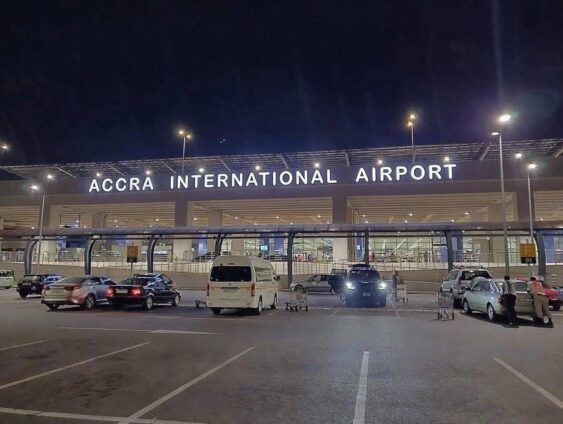
Ghana is intensifying its fight against drug trafficking and abuse, with the Narcotics Control Commission (NACOC) announcing a series of strategic interventions and operational enhancements. These efforts, highlighted during the national commemoration of the 2026 International Day Against Drug Abuse and Illicit Trafficking, also known as World Drug Day, aim to bolster border security, curb the illicit drug trade, and address the rising tide of substance abuse across the nation.
A significant development includes the planned deployment of new drug detection equipment, including mobile scanners and the full replacement of non-operational body and baggage intrusive scanners at the Accra International Airport. These upgraded scanning systems, provided through a collaborative partnership between the governments of Ghana and the Kingdom of the Netherlands, are expected to become operational by August 2026. This move comes after more than three years of the previous scanners being non-operational, marking a crucial step in enhancing Ghana's capacity to detect and prevent illicit drug trafficking and improve passenger screening at its main international gateway. NACOC Director-General, Brigadier General Maxwell Obuba Mantey, emphasized that modern detection technology is critical in combating increasingly sophisticated drug trafficking methods employed by international criminal networks.
These operational upgrades are set against a backdrop of intensified efforts to crack down on narcotics trafficking, following the recent arrest of an alleged drug kingpin and two accomplices. This syndicate was linked to the seizure of approximately 320 kilogrammes of methamphetamine, valued at an estimated US$296 million, concealed in a charcoal shipment from Ghana and intercepted in Australia. The arrests were the culmination of a three-month intelligence-led investigation, with the principal suspect apprehended in Ghana and two others on June 25. Brig. Gen. Mantey reaffirmed NACOC's commitment to dismantling drug trafficking networks, warning offenders that "It is only God and the courts that can free you."
Beyond border security, NACOC has significantly expanded its nationwide operational capacity. The Commission’s district operational commands have grown from fewer than 10 to 77, now covering all 16 regions of the country. To support these expanded operations, NACOC has received 27 operational vehicles for field deployments. Furthermore, plans are underway to establish a dedicated training institution for narcotics officers, with a 100-acre parcel of land already secured at the Akwamu Traditional Area. This facility represents a landmark investment in the next generation of narcotics professionals, ensuring continuous capacity building within the Commission.
Despite these enforcement gains, Ghana faces a worrying surge in synthetic drug abuse, particularly in the Ashanti Region. Dr. Fred Adomako-Boateng, the Ashanti Regional Health Director, revealed that substances such as cannabis and alcohol now account for over 55% of all substance-induced psychiatric admissions in Kumasi and surrounding districts. The region is confronting an influx of potent synthetic mixtures like "Kush," with emergency rooms reporting a 30% increase in acute psychosis cases directly linked to these cheap substances over the past 12 months. Dr. Adomako-Boateng observed a global shift from traditional plant-based drugs to synthetic manufacturing, aided by digital illicit marketplaces and complex trafficking networks. This shift is manifesting in Ghana through the rising popularity of tramadol (known as "tramol"), methamphetamine analogues, and chemically adulterated shisha. He urged security and regulatory agencies, including the Food and Drugs Authority, to intensify surveillance on over-the-counter sales of controlled medications and dismantle local distribution networks.
In response to the growing challenge among youth, the Bel-Aqua Care Foundation has partnered with NACOC, donating GH¢120,000 to support the training of approximately 800 counsellors in Senior High Schools (SHSs) across Ghana's 16 regions. This initiative aims to equip school counsellors with the knowledge and skills to educate students on the dangers of substance abuse and provide essential counselling services. Brigadier General Maxwell Obuba Mantey commended this support, emphasizing the critical role of education and counselling, as many young users do not fully understand the long-term consequences of their actions.
The NACOC Director-General also called upon students nationwide to become ambassadors in the fight against drug abuse, urging them to champion awareness and prevention efforts on their respective campuses. He stressed that peer influence is one of the most effective tools in preventing substance abuse, encouraging student leaders, youth groups, and campus associations to spearhead anti-drug campaigns. The World Drug Day event brought together various stakeholders, including government officials, traditional leaders, security agencies, students, and development partners, to renew Ghana's commitment to combating drug abuse and trafficking under the theme, "The World Drug Problem: Persisting Issues, New Challenges, Innovative Responses."
In terms of enforcement, NACOC reported making 217 arrests, securing 165 prosecutions, and seizing over 8.5 tonnes of narcotics between 2025 and April 2026. This included 45.4 million tramadol tablets, enough to provide one opioid dose for every Ghanaian. Ghana's first mandatory drug screening exercise for recruits into the Police, Fire, Prisons, and Immigration Services recorded more than 6,000 failures, representing approximately seven percent of all applicants tested. Despite these efforts, only 1,179 people received treatment for drug dependence across 30 treatment centers in 2025, with nearly 86 percent of beneficiaries aged between 20 and 44 years. This highlights a pressing need for the establishment of a National Rehabilitation Centre and expanded community-based treatment programs to address substance use disorders effectively.
Further demonstrating Ghana's commitment, NACOC is enhancing its regional leadership, citing the November 2025 Accra Call to Action on Drug Markets in West Africa. This initiative led to a landmark memorandum of understanding between NACOC and Nigeria's National Drug Law Enforcement Agency (NDLEA), covering intelligence sharing, joint operations, and anti-money laundering efforts. Looking ahead, NACOC is partnering with the United Nations Office on Drugs and Crime (UNODC) to complete Ghana's first comprehensive national drug prevalence survey by the second quarter of 2027 and establish a National Early Warning System to monitor emerging synthetic drugs. As Brig. Gen. Mantey concluded, "This is World Drug Day. But for NACOC, every day is drug day. We do not rest. We do not relent. And we will not stop until our communities are safe."