Genius Unveiled: African Inventor Patents AI-Driven Smart Crosswalk for Urban Safety
Nigerian engineer Samuel Omefe has been awarded a national patent for his AI-Driven Smart Crosswalk System, a pioneering invention designed to significantly enhance pedestrian safety in African cities. The system uses advanced AI and sensor technology to predict pedestrian movement and intelligently control traffic signals, demonstrating a nearly fifty percent reduction in near-misses in pilot programs and attracting interest from countries like Ghana.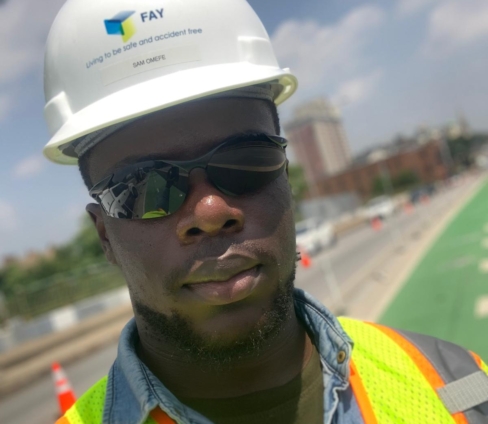
In a significant advancement for urban transportation safety, Nigerian engineer and technology innovator Samuel Omefe has been granted a national patent for his pioneering AI-Driven Smart Crosswalk System. This invention directly addresses the critical challenge of pedestrian safety prevalent in many African cities. Designed to adapt specifically to the unique characteristics of African urban environments, the system employs advanced artificial intelligence and sensor-based technology to intelligently predict pedestrian movement and control traffic signals. The system was officially patented in Nigeria and is currently under review for broader protection through a Pan African framework.
Samuel Omefe's invention is distinguished by its capacity to interpret human behavior at intersections. It gathers real-time input from multiple sources, including computer vision, LiDAR, radar, and thermal sensors. These diverse inputs are then processed by sophisticated machine learning models that determine the likelihood of a pedestrian crossing the road. Upon identifying an imminent crossing, the system activates a safe crossing phase by adjusting traffic lights, thereby actively preventing potential collisions. This responsive traffic control offers a substantial improvement over conventional systems that often rely on fixed signal timing or require manual intervention via pedestrian buttons.
During the Urban Mobility and Safe Cities Forum, hosted virtually by the African Smart Cities Network, Samuel Omefe presented compelling data from recent pilot programs. These trials, conducted in Nigerian cities such as Ibadan and Abuja, demonstrated a reduction of nearly fifty percent in pedestrian-vehicle near misses following the deployment of his system. His findings garnered significant attention from participants across the continent, particularly from nations like Ghana, where escalating urbanization is accompanied by growing urban safety concerns.
In response to this innovative solution, officials from Ghana's Ministry of Roads and Highways have initiated discussions with Samuel's team to explore potential collaboration. The Ministry has expressed particular interest in testing the system in high-risk locations within Accra, Kumasi, and Tamale. These Ghanaian cities have experienced a notable increase in pedestrian fatalities over the past decade, highlighting a pressing demand for effective, locally developed safety technologies.
One of the most commendable aspects of Samuel’s solution is its inclusive design. Beyond catering to able-bodied pedestrians, the system also thoughtfully addresses the needs of individuals with disabilities. It incorporates voice activation features, allowing visually impaired users to request a safe crossing, and integrates tactile feedback systems to guide people with mobility limitations. An optional mobile application further enhances support through directional audio and vibration prompts. These features align with international goals such as the United Nations Sustainable Development Goal 11, which advocates for safe and inclusive urban environments, and the African Union’s Agenda 2063, envisioning smart, people-focused, and resilient cities.
Urban planners, civil engineers, and transportation researchers throughout West Africa have lauded Samuel’s approach for its practicality and cultural relevance. Unlike many imported traffic systems that may struggle to function effectively in informal or congested African urban settings, this invention is specifically tailored for the distinct traffic patterns and pedestrian behaviors found in these cities. It effectively bridges a critical gap by combining technological sophistication with contextual understanding.
Samuel Omefe’s achievement signifies more than a personal triumph; it represents a broader movement towards African-led innovation in sectors historically dominated by imported solutions. His AI-driven Smart Crosswalk System is not merely a product of academic theory or foreign consultancy; it is the culmination of hands-on experience, local insight, and a clear vision for creating safer streets. With increasing interest from cities across Africa and growing international recognition, this patented system is poised to become a standard component of urban development strategies throughout the continent. As Samuel eloquently stated during his presentation, “Our roads and intersections should reflect the intelligence and dignity of the people who use them. This technology is my contribution to building cities that protect every life.” His words serve as both an inspiration and a direct call to action for decision-makers and innovators dedicated to shaping the future of urban mobility in Africa.