From Air Mattresses to a Global Empire: The Dramatic Rise of Airbnb
In a moment of both desperation and inspiration, Chesky and Gebbia inflated three air mattresses in their small apartment and launched a simple website called “Air Bed & Breakfast.” Their gamble was audacious: offer strangers a place to sleep and breakfast in return for a fee. It was a modest experiment—barely a business—but it planted a seed that would shake the foundations of the hospitality industry.
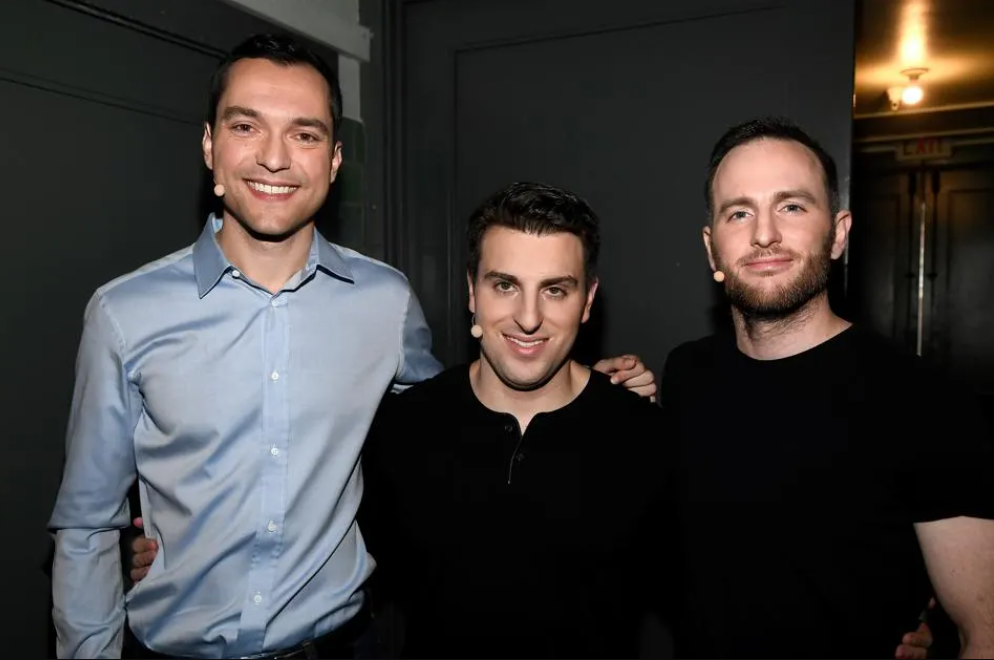
In the summer of 2008, San Francisco was buzzing with an international design conference—but a crisis was unfolding beneath the city’s gleaming surface. Hotels were fully booked. Visitors were desperate. Meanwhile, two young roommates, Brian Chesky and Joe Gebbia, faced a more personal crisis: rent they could no longer afford. With bills piling up and no clear path forward, their lives teetered on the edge of uncertainty.
In a moment of both desperation and inspiration, Chesky and Gebbia inflated three air mattresses in their small apartment and launched a simple website called “Air Bed & Breakfast.” Their gamble was audacious: offer strangers a place to sleep and breakfast in return for a fee. It was a modest experiment—barely a business—but it planted a seed that would shake the foundations of the hospitality industry.
Yet the path from that cramped living room to global domination was anything but certain. The fledgling company barely had enough money to keep the lights on. Investors scoffed. The public was skeptical. Could travelers really trust strangers in unknown homes? The answer seemed impossible to find, and for months, the founders struggled to find traction.
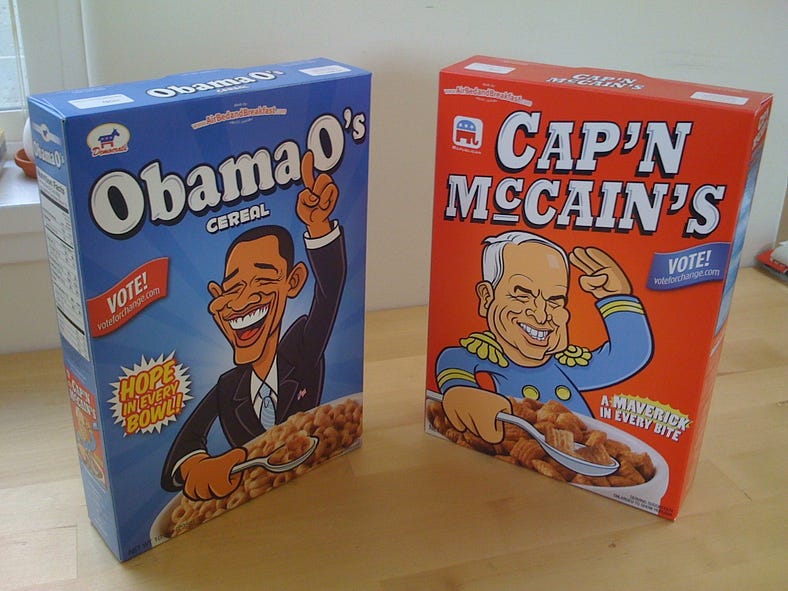
Each day was a battle. With only a shoestring budget—roughly $1,000 in seed money—the founders faced the harsh reality that passion alone could not pay rent or cover costs. In a desperate bid to survive, they launched a bizarre campaign selling limited-edition cereal boxes themed around the 2008 U.S. presidential candidates. It was an odd move, but it was a creative lifeline—a reminder of their ingenuity and relentless spirit in the face of looming failure.
Airbnb’s breakthrough came when it was accepted into Y Combinator’s Winter 2009 batch, receiving around $20,000 in seed funding from the prestigious accelerator. Thanks to the money, they introduced reviews, secure payments, and verified profiles—tools designed to battle the deepest fears of their users: the fear of the unknown and the risk of betrayal.
Paul Graham, the founder of Y combinator, famously wrote on his blog how he initially underestimated the potential of Airbnb but was quickly convinced by the founders' relentless determination and clever approach:
“Airbnb was one of the most impressive startups we funded early on. The founders didn’t just come with an idea; they showed grit and an extraordinary ability to iterate their product and approach until it found the perfect product-market fit.”
Slowly but surely, Airbnb began to grow. The platform expanded beyond air mattresses to entire homes, apartments, and unique spaces worldwide. Hosts discovered a new source of income, and travelers found authentic experiences far from sterile hotel rooms. But the stakes only rose as Airbnb confronted legal battles, regulatory challenges, and industry giants determined to crush the upstart.
Through every setback, the founders’ determination never wavered. What began as a simple idea born out of necessity became a beacon of innovation. By 2020, Airbnb went public with a valuation of over $30 billion, a staggering transformation from its humble origins.

The story of Airbnb is not just a tale of business success. It is a powerful testament to resilience, creativity, and the courage to face uncertainty head-on. It proves that the greatest ventures often emerge from the most precarious beginnings, fueled by the belief that solving a small problem today can change the world tomorrow.
For anyone watching from the sidelines, Airbnb’s journey sends a clear, dramatic message: when opportunity meets relentless will, even the smallest ideas can defy the odds and redefine entire industries.
image credits:
Cereal image source: Jenn Shreve