Free WhatsApp, Paid Business: The Economics Are Changing
WhatsApp is expanding its per-message charges for businesses from October 2026. The change could reshape how African SMEs use the platform for customer service, sales and automated communication.
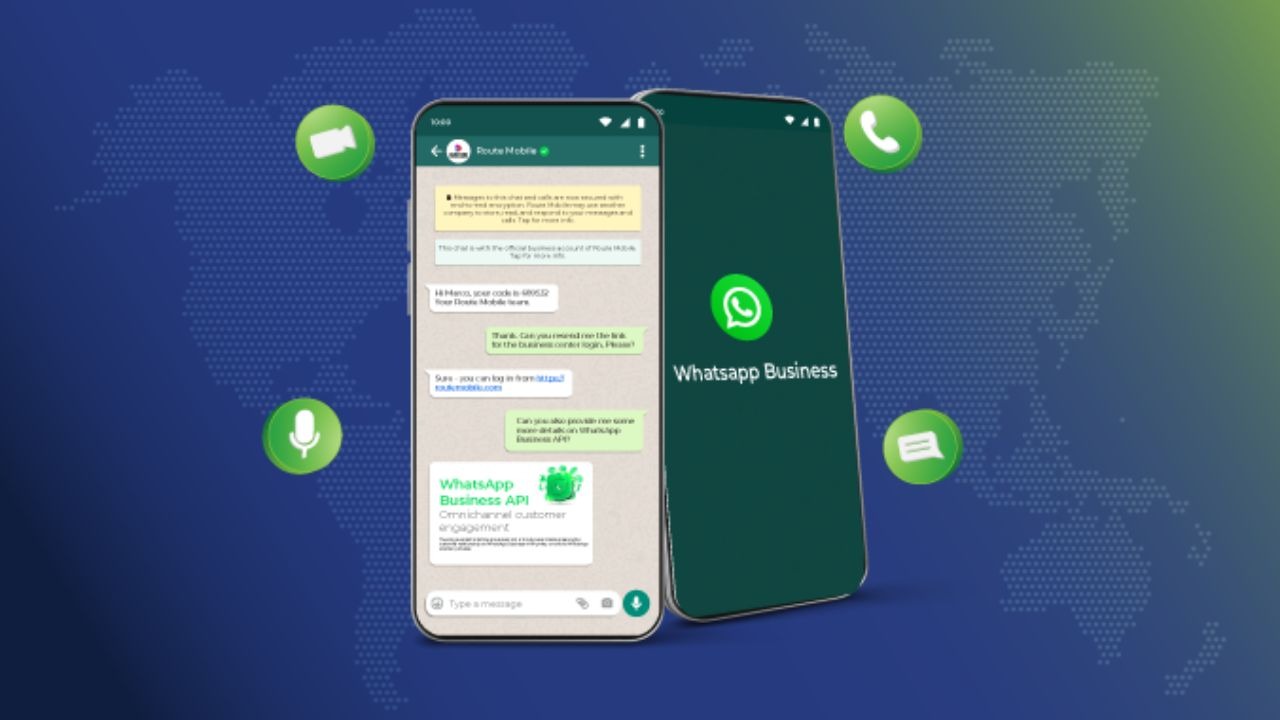
For a small business in Lagos, Nairobi, Accra or Johannesburg, WhatsApp can be much more than a messaging app. It can be the storefront, catalogue, customer-service desk, order tracker and sometimes the closest thing a business has to a digital sales platform.
A customer asks whether an item is available, receives an automated response, gets an order confirmation and follows up when the delivery is late, all without either side leaving the app.
That convenience is part of what made WhatsApp so valuable to businesses, particularly smaller ones that could not afford sophisticated customer-management systems. But the economics of that relationship are changing.
From October 1, 2026, businesses using the WhatsApp Business Platform will face charges for messages that previously benefited from free treatment, including certain service-related replies.
The change does not apply to ordinary WhatsApp users or businesses using the standard WhatsApp Business app in the same way. It is aimed at businesses using the Business Platform/API, which allows companies to communicate with customers at scale through automated and integrated systems.
WhatsApp Has Been Moving Towards This for a While

The October change did not appear out of nowhere. WhatsApp began moving away from its older conversation-based pricing system in July 2025, introducing per-message charges for business-initiated template messages across categories such as marketing, utility and authentication.
The important exception was the customer-service window, where businesses could respond to customers without the same message charges.
That distinction is now becoming narrower. Under the new approach, businesses will increasingly pay according to the messages they deliver, with the price depending on the recipient's country and the category of message.
In Nigeria, for example, a chargeable utility-type message is around $0.0101, while marketing messages are considerably more expensive at about $0.062 per message. Rates differ across African markets, meaning a Kenyan, Nigerian, Egyptian or South African business will not necessarily face the same cost.
Individually, these amounts can appear almost insignificant. But WhatsApp is dealing with businesses that may send thousands or millions of messages.
A company sending 500,000 chargeable messages at $0.0101 would face roughly $5,050 in Meta fees alone, before any additional costs from the technology providers or business solution providers connecting the company to the platform.
That is where the change becomes more interesting. WhatsApp is not simply charging for a message. It is increasingly monetising the infrastructure businesses have built around the platform.
What Happens to the Small Business?

For a large bank, airline or telecommunications company, a few thousand dollars in messaging costs may be another operational expense.
For a small African business, the calculation can be different.
Latest Tech News
Decode Africa's Digital Transformation
From Startups to Fintech Hubs - We Cover It All.
Consider a fashion business that uses WhatsApp to display its catalogue, answer customers, confirm payments and provide delivery updates. The platform may have allowed the business to operate a relatively sophisticated customer-service system without having to build an expensive website or customer relationship management platform.
Now, every additional chargeable interaction has to be considered. That does not necessarily mean small businesses will abandon WhatsApp. In many African markets, the platform is simply too embedded in everyday commerce.
It may instead encourage businesses to become more selective about automated messages, reduce unnecessary communication and reconsider which interactions genuinely need to pass through the Business Platform.
There is also an important distinction between WhatsApp Business and the WhatsApp Business Platform. A small trader using the regular business app is not suddenly being handed a bill for every customer reply. The greater impact falls on businesses using the infrastructure designed for communication at scale. Still, the change says something important about the digital economy.
When a Free App Becomes Business Infrastructure
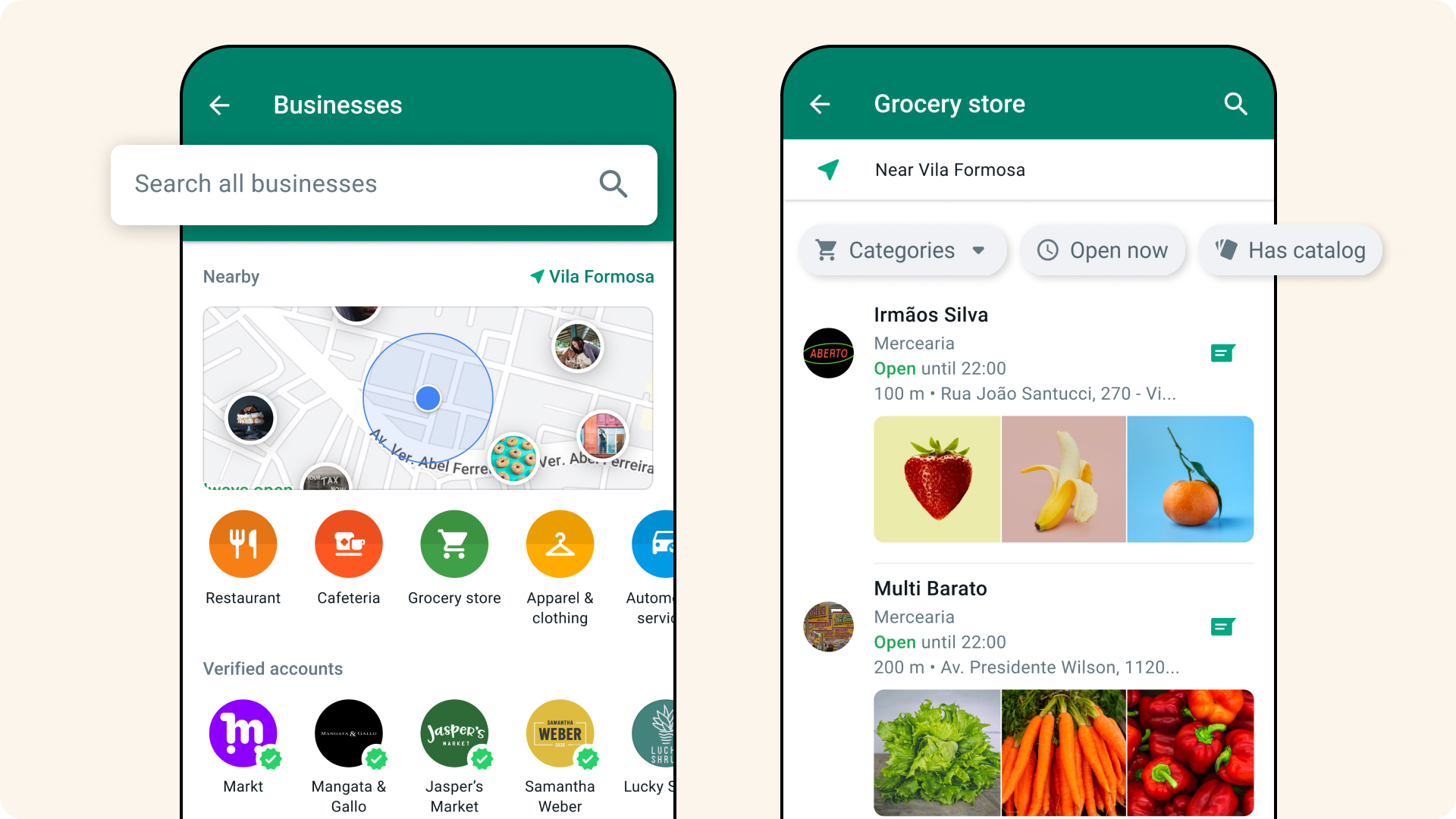
WhatsApp's enormous user base is part of the reason this model works. Businesses have followed customers onto the platform because that is where conversations are already happening. A company does not need to convince a customer to download another app when the customer already has WhatsApp on their phone.

That creates a powerful relationship. The more businesses depend on WhatsApp, the more valuable the platform becomes as commercial infrastructure. And once a platform becomes infrastructure, free is rarely permanent.
Meta has a straightforward incentive. Millions of commercial interactions are taking place through WhatsApp every day, and per-message pricing turns those interactions into a recurring source of revenue.
From the company's perspective, it is not unreasonable to charge businesses for access to infrastructure that helps them communicate with customers at scale.
But there is another side. Users may not see the change directly, yet they could eventually feel its effects. Businesses facing higher communication costs may reduce automated updates, increase prices slightly, consolidate customer-service interactions or move some conversations elsewhere.
The bigger question is therefore not whether WhatsApp is allowed to charge businesses. It clearly can. The question is how dependent African businesses have become on a platform they do not control.
For years, WhatsApp's accessibility helped smaller businesses participate in digital commerce without enormous technological investment. That was valuable. But as the platform becomes more commercialised, businesses may discover that what once looked like a free digital storefront was actually a platform whose rules and prices could change at any time.
WhatsApp is not becoming less useful. It is becoming more like a business utility, and businesses are beginning to pay for the privilege of treating it that way.