Fly Now, Pay Later: Convenience or the Start of Nigeria’s Debt-Driven Travel Culture?
The FG’s Fly Now, Pay Later scheme lets Nigerians book domestic flights and pay in installments. How does it work and who can benefit?
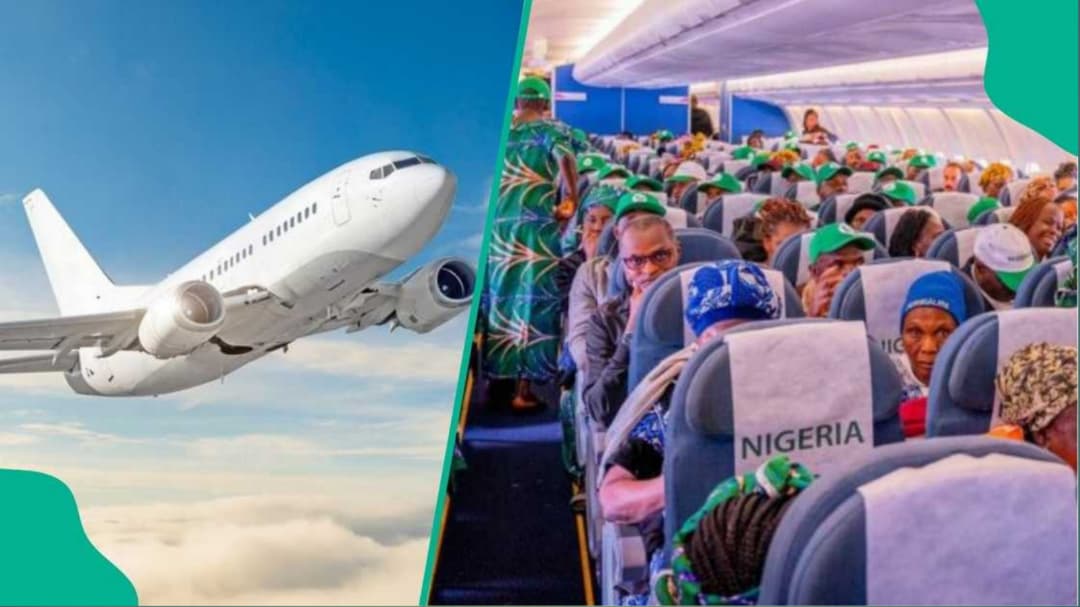
Domestic flights in Nigeria have become significantly more expensive in recent years.
For many travelers flying is no longer just a matter of convenience but affordability.
In response to this reality, the federal government recently introduced a new initiative known as “Fly Now, Pay Later.”
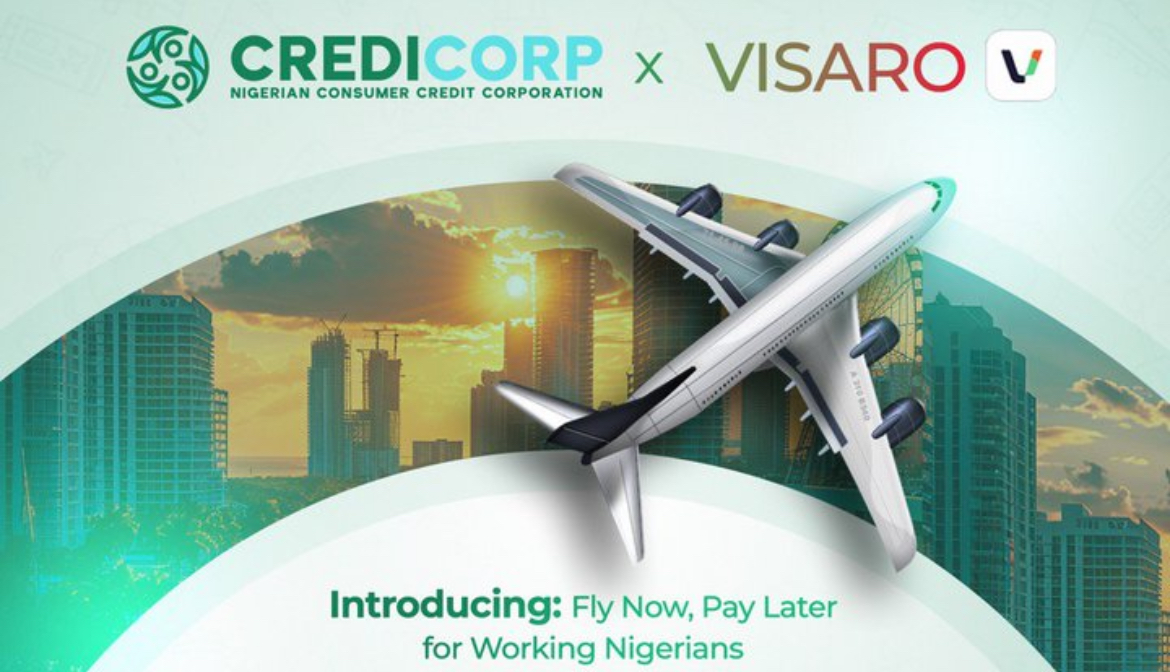
The scheme, launched through the Nigerian Consumer Credit Corporation, allows passengers to book domestic flights and spread the payment over time rather than paying the full cost upfront.
On the surface, the idea is straightforward.
Instead of postponing travel because of a high ticket price, passengers can take the trip immediately and repay the cost in installments.
But beyond the convenience, the initiative also opens up a broader conversation: are Nigerians beginning to rely more on credit for everyday needs, including travel?
Why the Scheme Was Introduced
The aviation sector in Nigeria has been under pressure for several years.
Airlines have faced rising operating costs driven by high aviation fuel prices, foreign exchange constraints, and the increasing cost of maintaining aircraft. These pressures inevitably filter down to passengers through higher ticket prices.
The Fly Now, Pay Later scheme is intended to bridge that gap making it easier for passengers to access flights while ensuring airlines continue to attract customers.
In simple terms, the goal is to make it easier for Nigerians to access financing for different aspects of daily life, from transportation to essential services.
The Appeal of Paying Later
Imagine needing to travel from Lagos to Abuja on short notice for a job interview or an urgent family matter.
The ticket might cost more than what you can comfortably pay at once.
Fly Now, Pay Later is not entirely “free to book.” Passengers are typically required to pay an initial deposit around 30% of the ticket price while the remaining balance is spread across short-term installments, usually within a few months.
Airlines receive their full payment immediately through the financing partners, which currently include MyVisaro and Alert Microfinance Bank.
In situations like this, the system offers flexibility.
The Debt Question
Still, the idea naturally raises a broader question about how people pay for services.
Credit can be useful when used carefully. It can help individuals manage temporary financial gaps and handle urgent expenses. But it also changes the way people think about spending.

Instead of asking “Can I afford this right now?”, the question becomes “Can I pay this off later?”
That shift may seem small, but over time it can shape financial habits. The Fly Now, Pay Later initiative does not actually reduce the price of flights; it simply spreads the cost over time.
For travelers, that means convenience in the short term but also a commitment to repay the debt afterward.
As consumer credit becomes more common, finding the right balance between access and responsibility will become increasingly important.
Who Really Benefits?
Another important question is who will actually be able to use the scheme.
There’s another layer: not everyone can automatically access this facility.
Passengers must pass credit assessments to determine if they can reliably repay the loan.
That means individuals without a stable income or formal financial records might not qualify.
So, while the program increases flexibility for some, it may exclude many lower-income travelers who arguably need it most.
That does not necessarily make the policy ineffective.
But it does highlight a potential gap between the people the scheme aims to help and those who may realistically qualify for it.
In other words, while the program may expand travel options for some Nigerians, it may not reach everyone equally.
A Sign of a Changing Financial Culture
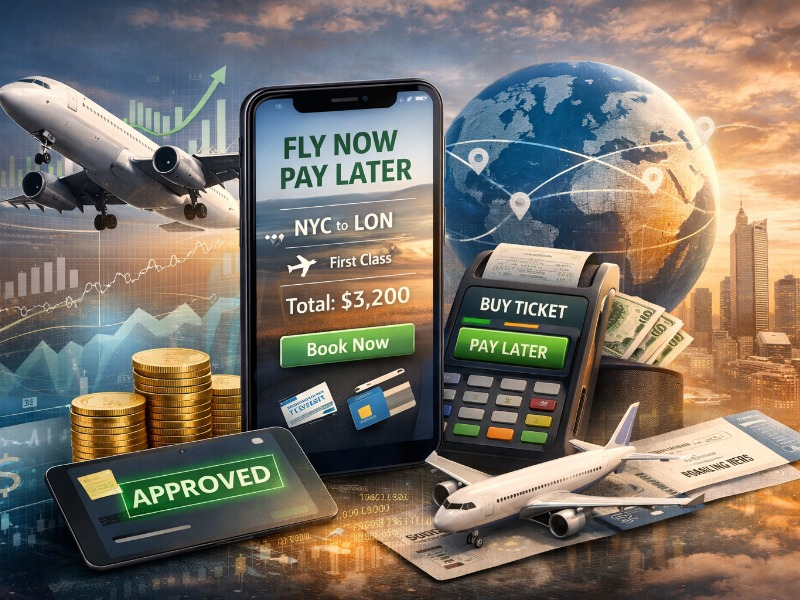
Beyond aviation, the initiative also reflects a larger shift in how financial systems are evolving in Nigeria.
Around the world, “buy now, pay later” models have become increasingly popular for everything.
The introduction of a similar concept in air travel suggests that credit-based payments are gradually becoming part of everyday life.
For policymakers, expanding access to credit can support economic activity and provide consumers with more financial tools. For individuals, however, it also means navigating those tools carefully.
The Fly Now, Pay Later scheme may ultimately succeed in making travel more accessible to some Nigerians.
At the same time, it highlights an important shift: the growing role of credit in how people pay for services that were once settled immediately.
Whether that shift becomes a lasting part of Nigeria’s economic culture or simply a temporary solution to rising travel costs, remains a question that will unfold in the years ahead.