FIFA Wants Africa's Vote, But Is This About Football or the Future of Power?
FIFA needs Africa's 54 votes to push through one of the biggest commercial decisions in football history. But should the continent accept millions now or protect the future of the World Cup?
There is something fascinating about the way money changes conversations.
When someone offers you millions of dollars, the question is rarely whether you need the money. The main question is what do they need from you?
That is exactly why FIFA's latest proposal deserves more attention than it is getting.
The organisation wants to create a new commercial company, called FIFA Forward Enterprise that will control some of the money making rights tied to the FIFA World Cup and other competitions. It then plans to sell a minority stake in that company to private investors in exchange for billions of dollars.
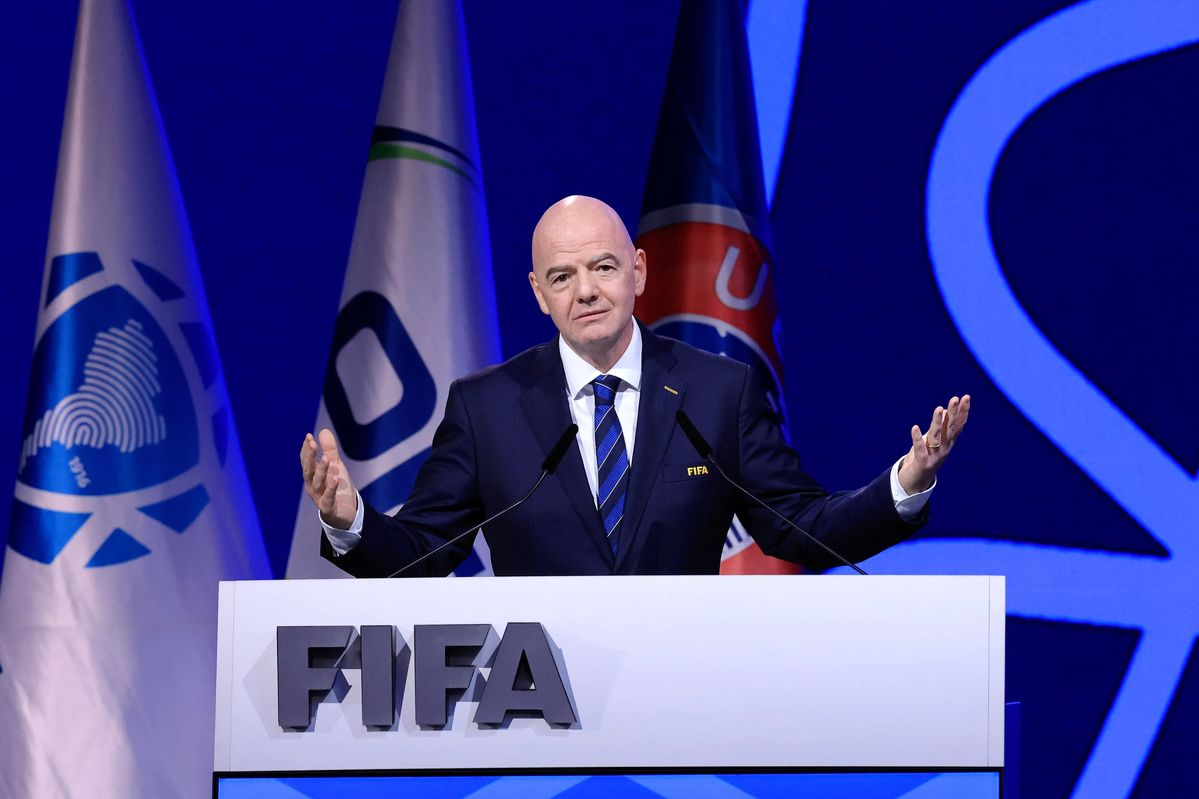
To make the proposal happen, FIFA needs support from its member associations. Every country gets one vote. Nigeria has one vote. Brazil has one vote. England has one vote. Seychelles has one vote.
Africa, with its 54 football associations, controls the largest voting bloc in FIFA.
Now those votes have become incredibly valuable.
Member associations that support the proposal stand to receive tens of millions of dollars in additional funding. Those that reject it risk walking away from funding that could transform football development in their countries.
On the surface, it sounds like a straightforward business decision.
Look closer and it begins to look like something much bigger.
This is not simply a conversation about football. It is a conversation about power, influence and the price of saying yes.
Why Africa Suddenly Holds the Most Valuable Votes
Africa is often described as football's sleeping giant.
The continent produces some of the world's best players. European clubs spend hundreds of millions scouting African talent.
African fans fill stadiums, dominate social media conversations and turn every World Cup into a continent wide celebration.
Yet when it comes to money, African football associations remain among the least wealthy in the game.
Many depend heavily on FIFA grants to build pitches, train coaches, support women's football and organise youth competitions. Domestic television deals are smaller, sponsorship markets are less mature, and government support is often inconsistent.
That reality changes the meaning of FIFA's offer.
For some countries, the proposed funding is not just extra income. It could represent years of football development arriving almost overnight.
It is easy to understand why saying yes would be tempting, but there is another side to the story.

The moment financial incentives become attached to a vote, people naturally begin asking difficult questions.
Is this simply development funding? Or is it an investment designed to secure political support?
Neither question is unreasonable.
If Africa votes yes, critics may argue that money influenced one of football's biggest commercial decisions.
If Africa votes no, many football associations across the continent could miss out on tens of millions of dollars in additional funding that could improve facilities, strengthen local leagues and create opportunities for young players.
That is not an easy decision; It is the kind of choice where every answer comes with consequences.
The World's Most Valuable Tournament Is Becoming an Investment
For decades, the FIFA World Cup has been more than a sporting event. It is one of the most profitable entertainment products on earth.
Every four years, broadcasters pay enormous sums for television rights. Global brands compete for sponsorship deals. Host countries invest billions. Millions of people buy tickets, jerseys and official merchandise.
Now imagine owning a small piece of that business. That is essentially what private investors are being invited to do.
While some argue that selling a minority stake will unlock fresh capital that FIFA can use to invest in football around the world, others see something different.
They worry that once private investors become involved, financial returns may gradually become as important as football itself.
Across industries, private investment has often brought innovation and growth. It has also sometimes shifted priorities away from communities and towards profits.
Football already struggles with accusations that too many decisions are driven by money instead of fans.
From increasingly crowded competition calendars to expensive ticket prices, supporters have watched commercial interests reshape the sport.
The current debate asks an uncomfortable question.
Should the World Cup remain something that football fully owns, or should it become another global asset in an investor's portfolio?
There is no simple answer, but once ownership changes, even partially, those decisions are difficult to reverse.
This Is Bigger Than Football; It Is About Who Gets to Shape the Future
For young Africans, this story feels strangely familiar; the continent is rich in resources, talent and cultural influence.
Yet history is filled with moments where short term financial needs collided with long term ownership.
Natural resources, creative industries, technology, data, now football joins that conversation. This does not automatically make FIFA's proposal good or bad.
But it does make it worth questioning.
If Africa rejects the proposal, the immediate cost could be significant.
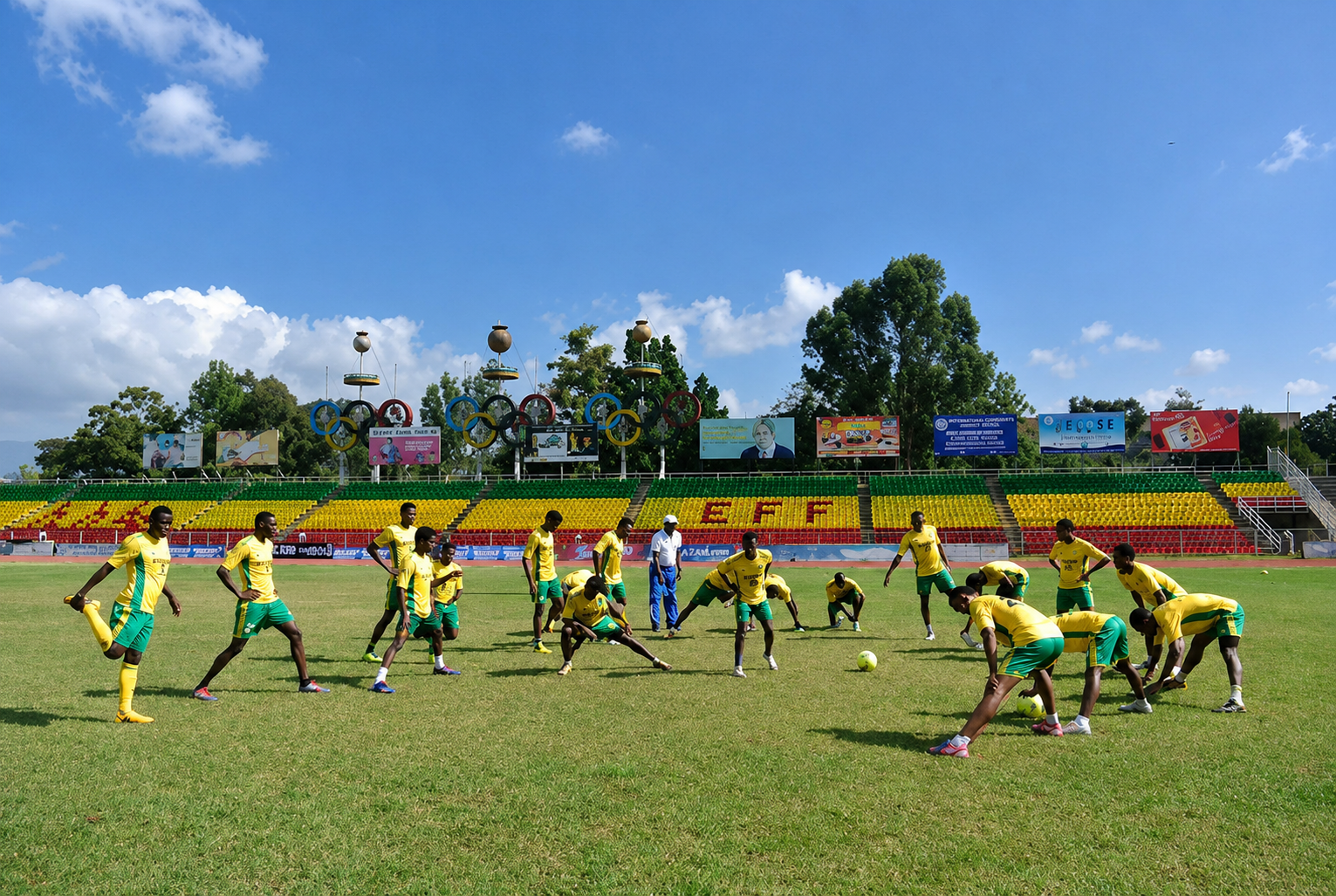
For many football associations, the additional funding on offer could help renovate ageing stadiums, build training centres, expand women's football, improve coaching education and strengthen grassroots programmes that produce the next generation of stars.
Think about where most footballers begin. Not in packed stadiums or multimillion-dollar academies, but on dusty neighbourhood pitches with limited equipment and coaches working with whatever resources they can find.
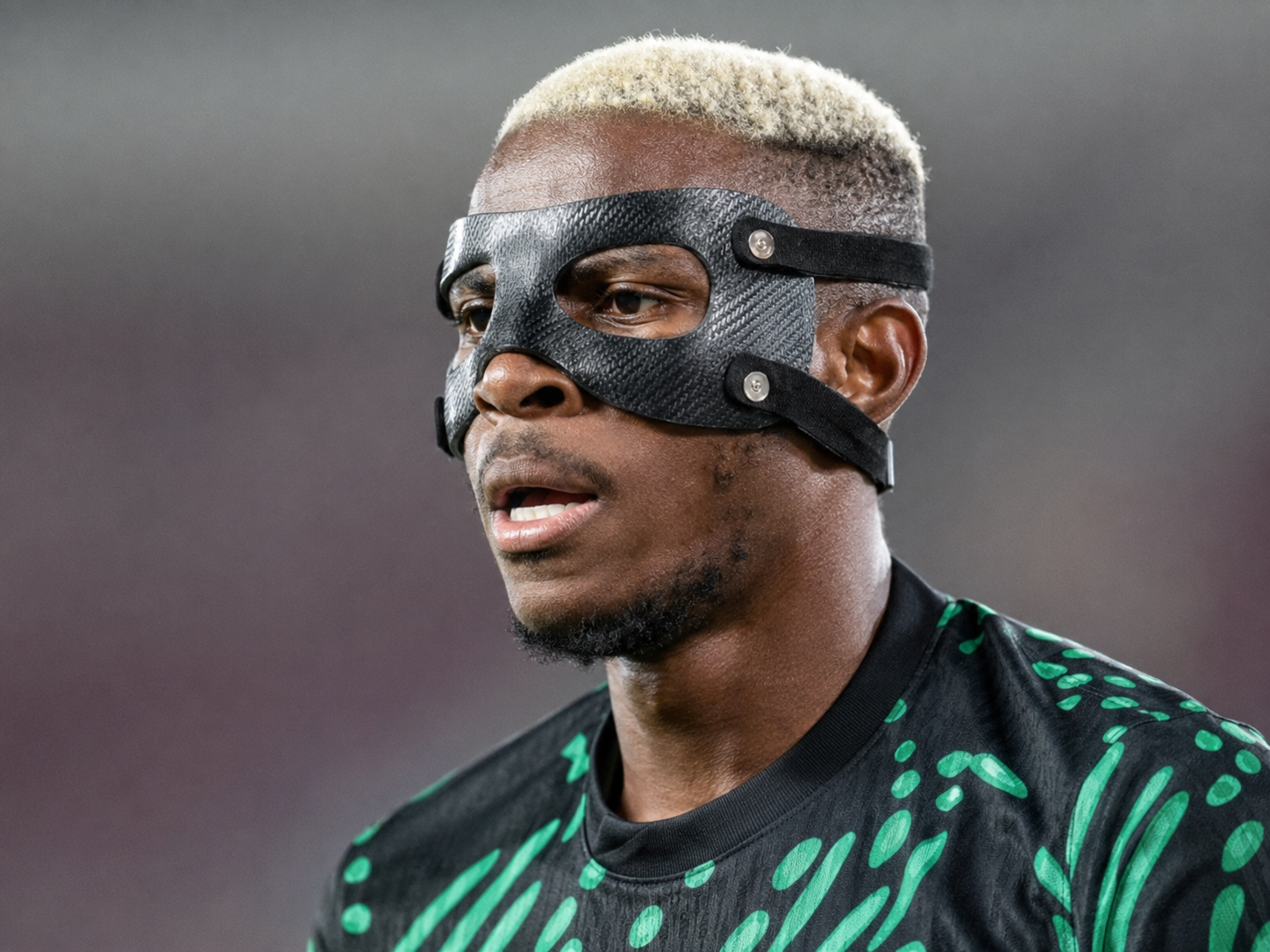
For thousands of young Africans dreaming of becoming the next Victor Osimhen, Achraf Hakimi or Barbra Banda, better funding could mean better opportunities.
At the same time, supporters of a "no" vote argue that some decisions cannot be judged by immediate financial rewards alone. They believe the commercial rights attached to the World Cup could become even more valuable in the decades ahead.
Selling part of that future today, even indirectly, may ultimately benefit investors more than football itself.
That is what makes this debate so compelling.Africa is not choosing between money and no money.
It is choosing between short term investment and long term ownership.
Neither option is completely free of risk.
Africa's greatest strength in this debate is not the money being offered. It is the vote itself. For perhaps the first time in years, the continent is not being asked to produce players or entertain audiences.
It is being asked to decide the future of one of the world's biggest sporting institutions. That changes the conversation. Young people often hear that Africa lacks influence on the global stage.
This moment suggests otherwise.
If 54 football associations can influence one of FIFA's biggest commercial decisions, then Africa's voice clearly matters.
The challenge is making sure that voice is used deliberately rather than emotionally.
Supporting the proposal should come after asking difficult questions.
How will the new company be governed? Who benefits twenty years from now? What protections exist if investors begin demanding greater influence?
Rejecting the proposal should also come after asking equally difficult questions.
Can African football afford to turn down funding that could improve facilities, expand youth programmes and create opportunities for future generations?
Sometimes power is not measured by how much money someone offers you.
It is measured by the fact that they needed your agreement in the first place.
That may be the biggest lesson in this entire debate.