Federal Government Orders Crackdown on Cooking Gas Hoarding
Cooking gas prices keep rising, and the Federal Government is fighting back. With a nationwide crackdown on hoarding and supply diversion, can this move finally make LPG more affordable for Nigerians?
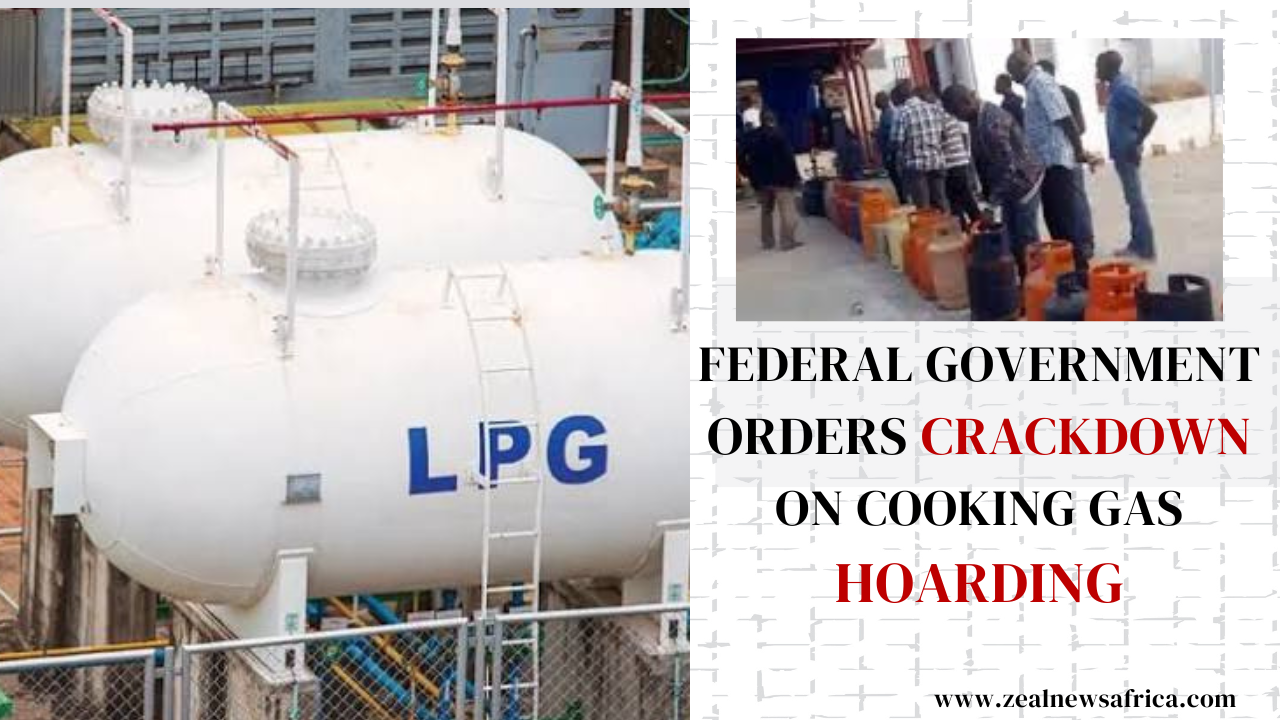
The Federal Government has ordered a nationwide crackdown on the hoarding and diversion of Liquefied Petroleum Gas (LPG), commonly known as cooking gas, following growing complaints over soaring prices and supply shortages across the country.
The retail prices spiked to as much as N2,400 per kilogramme in some locations across the country.
The directive comes as many households struggle to cope with the rising cost of living, with cooking gas becoming increasingly expensive and, in some areas, difficult to obtain.
The government directed the Nigerian Midstream and Downstream Petroleum Regulatory Authority (NMDPRA), and other regulators to intensify market surveillance, investigate product hoarding and diversion, and sanction operators found manipulating the market.
They also have described that such activities are harmful to consumers and a threat to efforts aimed at promoting cleaner and more affordable cooking energy.
The Minister of State for Petroleum Resources (Gas), Ekperikpe Ekpo, gave the directive at an emergency stakeholders’ engagement on rising LPG prices, following deliberations with regulators, producers, marketers and other industry players.
Regulatory agencies have been directed to strengthen monitoring of the LPG supply chain and take action against anyone involved in hoarding, diversion, or market manipulation. Offenders may face fines or the suspension of their operating licenses.
The move comes amid concerns over rising cooking gas prices, which have placed additional pressure on households that rely on LPG as an alternative to firewood and kerosene.
While industry stakeholders support the crackdown, they emphasize that long-term solutions will require better infrastructure, improved distribution, and increased domestic production. Many consumers hope the measures will help stabilize supply and reduce prices.
Rising Cost of Cooking Gas
The price of cooking gas has continued to climb in recent months, adding to the financial strain faced by millions of Nigerian households already grappling with inflation and rising living costs.
The consumers across several states have reported paying significantly more to refill gas cylinders, forcing some families to reduce consumption or seek cheaper alternatives such as firewood and charcoal.
Industry observers attribute the rising costs to a combination of factors, including fluctuations in global energy prices, transportation expenses, foreign exchange challenges, and supply chain disruptions.
However, government officials believe that market manipulation may also be playing a role.
With reports of hoarding and diversion of LPG supplies circulating, it has raised concerns that some operators could be creating artificial shortages to drive up prices and maximize profits.
The situation has sparked major growing concern among consumer groups and energy experts, who warn that prolonged price increases could undermine efforts to promote cleaner cooking energy in Nigeria.
As demand for LPG continues to grow, authorities are under increasing pressure to ensure a stable supply and prevent practices that place additional burdens on consumers.

Government's Response to Hoarding
The government identified several factors responsible for the current rise in LPG prices, including global supply disruptions and price volatility arising from the Israel-Iran conflict.

It also linked the situation to shortfalls in domestic supply created by incomplete domestication of local LPG production, low import volumes, non-cost-reflective pricing by some wholesalers and retailers, inadequate distribution infrastructure, and logistics challenges.
To address the problem, relevant regulatory agencies have been directed to investigate and take action against marketers found guilty of hoarding or diverting LPG supplies.
Ekpo also ordered the NMDPRA to work with Nigeria Liquefied Natural Gas Ltd. (NLNG), local LPG plants and major producers to increase domestic availability.
He urged them to improve market coordination and eliminate distribution bottlenecks to check rising cooking gas prices.
“Producers and domestic suppliers must prioritise the Nigerian market, provide reliable supply forecasts, and ensure that domestic allocations reach consumers without diversion or delay.”
The authorities also have warned that offenders could face penalties, including fines and other sanctions, and the government hopes that stricter enforcement will discourage unfair market practices.
The minister also concluded that the retailers and plant operators display prices openly, avoid arbitrary price increases, maintain safe dispensing practices and promptly report supply disruptions.

Impact on Consumers and Businesses
The Federal Government's crackdown on cooking gas hoarding is expected to bring relief to both households and businesses that have been struggling with rising LPG prices and inconsistent supply.
For many families, cooking gas has become an essential household commodity, and any reduction in price or improvement in availability could help ease the burden of the current cost-of-living crisis.
The small and medium-sized businesses that depend heavily on LPG, including food vendors, bakeries, restaurants, and catering services, are also likely to benefit from a more stable market.
In recent months, many business owners have reported increased operating costs due to higher gas prices, forcing some to raise the prices of their products and services. A more reliable supply could help reduce these pressures and support business growth.
However, industry stakeholders caution that enforcement alone may not solve the problem.
They argue that addressing long-standing challenges such as inadequate storage facilities, transportation bottlenecks, and limited distribution infrastructure is essential for ensuring sustainable price stability.
Experts also note that increasing domestic gas production and improving investment in the LPG sector will be critical to meeting growing demand and preventing future shortages.
As regulatory agencies intensify monitoring efforts, consumers and businesses alike will be watching closely to see whether the government's intervention translates into lower prices, improved availability, and greater confidence in the nation's cooking gas market.

Ensuring a Stable Energy Market
While the government's crackdown on hoarding is expected to address immediate concerns over supply and pricing, the experts warn that lasting stability in the cooking gas market will require broader structural reforms.
They argue that enforcement measures alone cannot solve the underlying challenges affecting the LPG sector, including inadequate storage capacity, transportation bottlenecks, and limited distribution infrastructure in many parts of the country.
The energy stakeholders have called for increased investment in domestic gas production and processing facilities to reduce dependence on imports and improve the availability of LPG in the local market.
Expanding storage and distribution networks would also help ensure that supplies reach consumers more efficiently, particularly in underserved rural and semi-urban communities where access to cooking gas remains limited.
The leaders commented that stronger investment in LPG infrastructure is essential to support cleaner energy goals and prevent future shortages.
As demand grows, they stress that long-term stability will depend on improved production, distribution, and regulation.
That is why, the Permanent Secretary, Ministry of Petroleum Resources, Mrs Patience Oyekunle, described LPG as critical to Nigeria’s energy needs.
She said the product was also critical to the clean cooking agenda and energy transition, noting that the recent price increase had raised concerns requiring urgent attention.
That is the reason why the meeting was held to examine the factors driving the increase and identify practical measures to improve affordability, ensure supply stability, sustain investments and strengthen the domestic LPG market for the benefit of Nigerians.
The meeting was practical attended by critical stakeholders, including the Decade of Gas, Nigeria Gas Association, Seplat Energy, Chevron, NMDPRA, Nigeria Liquefied and Compressed Gas Association and Nigerian Association of Liquefied Petroleum Gas Marketers, among others.
This is to express their strong commitments in tackling the challenges and increasing domestic market supply and sufficiency.