Explosive Allegations Rock Ghana: AG Accused of Bias Amidst AKSA Deal Scandal!
The AKSA Energy power project faces renewed scrutiny over bribery allegations, prompting the NPP to express no confidence in Attorney General Dominic Ayine's ability to conduct an independent investigation, especially concerning an alleged relative of former President Mahama. The NDC, however, staunchly defends the AG's credibility and constitutional authority, dismissing the opposition's concerns as baseless.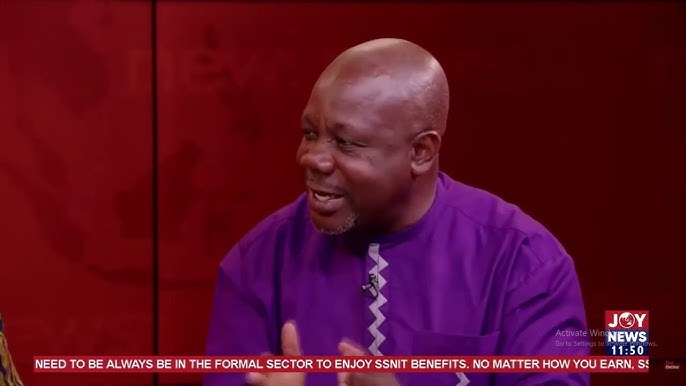
The AKSA Energy power project has come under renewed scrutiny following the conviction in the United States of former Goldman Sachs banker Asante Kwaku Berko on bribery and money-laundering charges linked to the initiative. This development has ignited a significant political dispute in Ghana, with the opposition New Patriotic Party (NPP) publicly expressing a profound lack of confidence in Attorney General (AG) and Minister for Justice, Dr. Dominic Ayine, to independently investigate the latest bribery allegations, particularly due to concerns about potential political connections to the governing National Democratic Congress (NDC).
Nana Agyei Baffour Awuah, the Member of Parliament for Manhyia South and a key NPP figure, vehemently accused the Attorney General of establishing a “separate justice system” catering specifically to members and associates of the NDC. Mr. Awuah cited a series of decisions by the AG to discontinue prosecutions involving individuals linked to the NDC government, arguing that such actions severely undermine public confidence in the AG’s impartiality and raise serious questions about selective accountability. He also criticized the AG’s alleged refusal to furnish Parliament with details of a proposed plea bargain concerning the Unibank case and challenged the justification for discontinuing cases solely based on the length of time they had been before the courts.
Furthermore, Mr. Awuah made a crucial demand for a thorough and transparent investigation into the alleged involvement of a relative of then-President John Dramani Mahama in the AKSA Energy deal. He outlined specific questions that investigators must address, including the identity of this person, their relationship with President Mahama, the company or entity they were associated with, their exact role in the AKSA transaction, and whether they received any payments, specifying the amount and purpose. Drawing parallels with the Airbus controversy, where a relative of a senior Ghanaian official was also implicated, Mr. Awuah emphasized that the investigation must be strictly evidence-based and conducted without any political affiliation, especially given the likelihood that politically connected individuals could face scrutiny.
In response to the NPP’s accusations, Theophilus Dzimega, a member of the NDC Communications team, strongly rejected the claims, dismissing them as “baseless, unfounded, and without merit.” Mr. Dzimega staunchly defended Dr. Ayine’s credibility, pointing to the Attorney General’s cooperation with US authorities in the apprehension, prosecution, and extradition of Asante Kwaku Berko as clear evidence of the government's unwavering commitment to pursuing justice in the matter. He also challenged the NPP to first explain its own stance on ongoing plea negotiations involving its former Ashanti Regional Chairman, Bernard Antwi Boasiako, widely known as Chairman Wontumi, before criticizing the AG’s handling of plea bargains.
Mr. Dzimega further defended the Attorney General’s constitutional powers to discontinue criminal prosecutions, referencing the Supreme Court’s decision in the Gregory Afoko case, which affirmed that entering a nolle prosequi falls firmly within the AG’s remit. He clarified that prosecutorial decisions are complex and must take into account public policy, public interest, security considerations, and the likelihood of securing a conviction. He also highlighted President John Dramani Mahama’s administration’s introduction of a code of conduct for government appointees as part of broader efforts to prevent corruption. Mr. Dzimega questioned who else would be deemed fit to lead such an investigation if the Attorney General’s credibility was doubted and ultimately urged the NPP to allow the AG to fulfill his constitutional mandate without prematurely judging the investigation’s outcome.