Hungary Blocks Critical Ukraine Aid and Russia Sanctions, Sparking Fury
Hungary's consecutive vetoes have paralysed the European Union's efforts to provide €90 billion in aid to Ukraine and impose new sanctions on Russia. The dispute centers on Russian oil transit via the Druzhba pipeline, with Hungary blaming Ukraine for supply disruptions amid an upcoming election for Prime Minister Viktor Orbán. This deadlock sparks significant frustration among other EU members as the war's fourth anniversary approaches.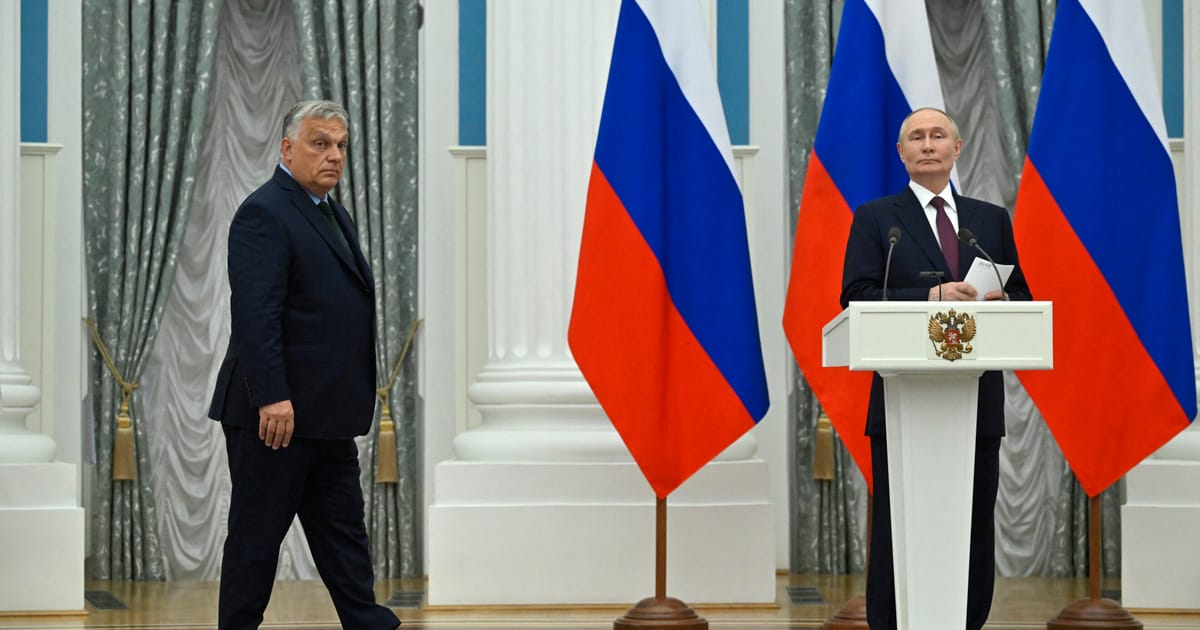
On the eve of the fourth anniversary of Russia’s full-scale invasion of Ukraine, the European Union faces paralysis after Hungary issued two vetoes blocking a €90 billion emergency loan for Kyiv and a 20th sanctions package against Moscow.
The standoff is rooted in an energy dispute over disruptions to Russian oil transit via the Soviet-era Druzhba pipeline, which Hungary relies on heavily.
The deadlock threatens both immediate financial assistance for Ukraine and the EU’s broader sanctions strategy.
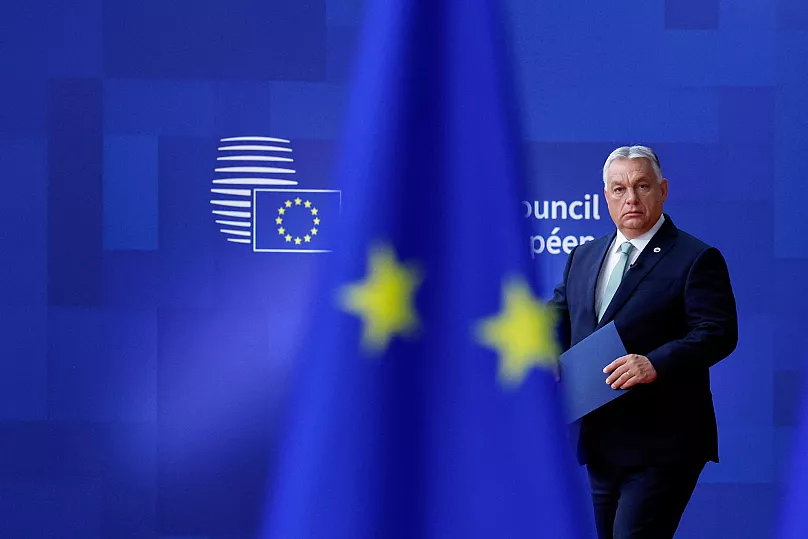
Hungarian Prime Minister Viktor Orbán blames Ukraine for recent supply interruptions, accusing Kyiv of “blackmail” and linking the issue to damage sustained by the pipeline in attacks attributed to Russia.
In response, Orbán announced countermeasures, including suspending Hungarian diesel exports to Ukraine and vetoing both the aid package and sanctions.
He stated that “normal relations will be restored” once oil shipments resume, effectively tying EU-level decisions to the restoration of energy flows.
Kyiv has rejected Hungary’s claims, arguing that repair efforts are ongoing despite persistent missile threats and proposing alternative transit routes for non-Russian oil, including through Croatia’s Adriatic pipeline.
In Brussels, the impasse has created a difficult balancing act between safeguarding member states’ energy security and sustaining Ukraine’s war effort.
EU High Representative Kaja Kallas acknowledged that agreement on the sanctions package—reportedly including a full services ban for Russian oil tankers, appears unlikely given Hungary’s firm stance.
The veto of the €90 billion loan is particularly contentious because it had already secured approval from the European Parliament and EU leaders at a December summit, where Orbán negotiated an opt-out for Hungary, Slovakia, and the Czech Republic.
The timing also coincides with Orbán’s domestic re-election campaign ahead of April 12 polls, with anti-Brussels and anti-Kyiv rhetoric central to his platform.
With Ukraine warning it may face funding shortfalls as early as April—especially following the withdrawal of US support under President Donald Trump—the crisis underscores the mounting strain on European unity at a critical juncture in the war.