EU Auditors Fault €43bn Home Renovation Fund Over Weak Energy Savings, Poor Oversight
The European Court of Auditors has published a damning report on the EU's €43 billion post-pandemic recovery fund for home energy efficiency. The audit found the program failed to maximize savings, monitor results effectively, or ensure value for money, prioritizing "quick fix" projects over deep renovations and relying on flawed measurement methods. This raises serious concerns for future climate spending within the EU.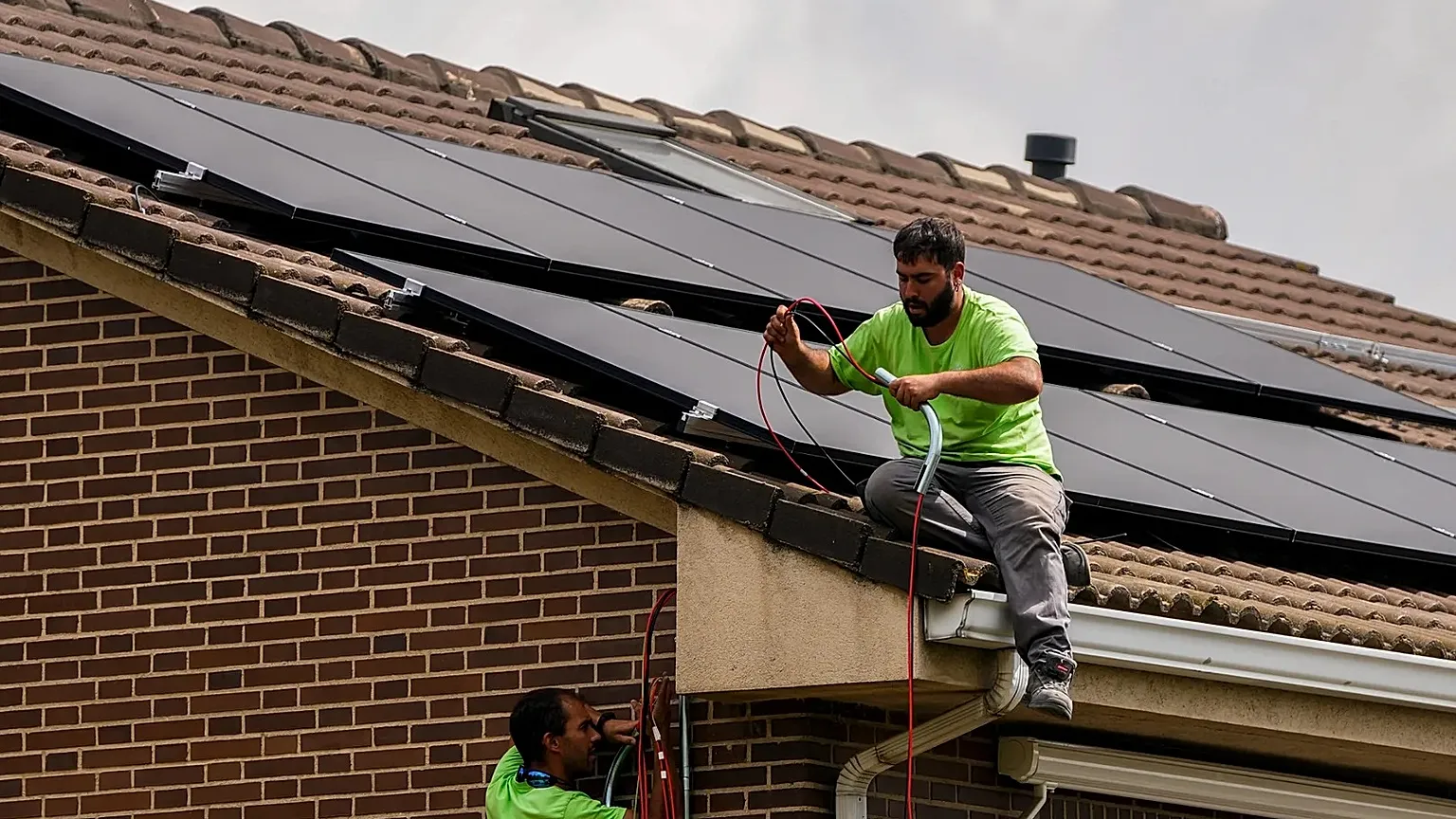
A report by the European Court of Auditors (ECA) has found that the European Union's €43 billion post-pandemic home renovation programme failed to deliver the maximum possible energy savings or demonstrate value for taxpayers' money.
According to the auditors, funds under the Recovery and Resilience Facility (RRF) were often directed toward projects that were easiest to complete rather than those with the greatest potential to reduce energy consumption.
The report also criticized weak monitoring systems and the lack of meaningful measures to assess the programme's overall effectiveness.
The audit found that many member states prioritized medium-scale renovations such as solar panel installations, window replacements, and boiler upgrades to meet the RRF's 2026 spending deadline, while more comprehensive energy-efficiency projects—including deep insulation and major retrofits—were frequently delayed.
Auditors also questioned the EU's reliance on Energy Performance Certificates (EPCs) to estimate savings, arguing that they measure theoretical rather than actual energy use, often producing results that differ significantly from real household consumption. The report warned that these shortcomings could distort spending decisions and overstate the programme's environmental impact.
The ECA further criticized the absence of systematic cost-effectiveness monitoring, noting that neither the European Commission nor member states measured how much energy was saved for every euro invested.
Italy's Superbonus scheme was highlighted as a particularly costly example, with reimbursements of up to 110% of renovation costs contributing to an estimated €123 billion burden on taxpayers.
As the EU prepares its next long-term budget, auditors urged policymakers to adopt a more targeted, evidence-based approach to climate spending, warning that future renovation programmes risk repeating the same mistakes unless funding is tied more closely to measurable energy savings and financial efficiency.