Ethiopian Airlines Keeps Africa’s Top Airline Title for a Ninth Year
African aviation is experiencing a significant boom in 2026, with Skytrax awards highlighting key players. Ethiopian Airlines maintains its dominant position for the ninth consecutive year, while EgyptAir shows remarkable improvement, driving a continent-wide renaissance in air travel and connectivity.
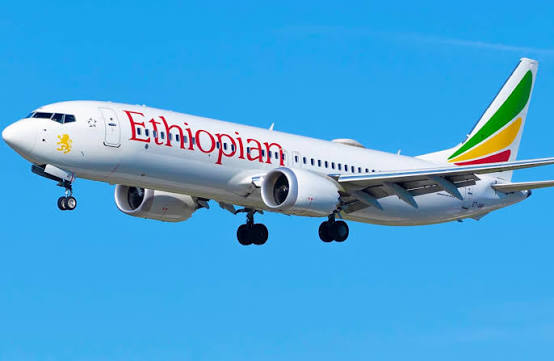
Ethiopian Airlines has been named Africa’s best airline for the ninth consecutive year at the 2026 Skytrax World Airline Awards.
The Addis Ababa-based carrier also won Best Business Class in Africa and Best Economy Class Onboard Catering in Africa, extending a run that began in 2018. The full regional ranking places Egyptair second, Air Mauritius third, Royal Air Maroc fourth and RwandAir fifth.
For Ethiopian, the latest awards reinforce a position it has held for years. But the wider list also shows how several African airlines are building stronger positions in their own markets.
Egyptair makes the biggest jump
Egyptair was named the World’s Most Improved Airline in 2026, while also taking Best Airline Staff in Africa, Most Improved Airline in Africa and Best Economy Class in Africa.
That puts the Egyptian carrier alongside Ethiopian at the top of this year's African results, although the two airlines arrived there through different categories.
Air Mauritius came third in the overall African ranking, followed by Royal Air Maroc and RwandAir.
RwandAir also took the Best Airline Staff in Africa award, ahead of Egyptair and Ethiopian Airlines.
The ranking reflects different strengths
The top 10 includes both large network carriers and airlines built around regional markets.
South African Airways ranked sixth and Kenya Airways seventh. FlySafair, Fastjet and LIFT completed the list from eighth to tenth.
The result matters because the airlines serve different parts of the continent's aviation market. Ethiopian and Royal Air Maroc have developed major international hubs, while airlines such as RwandAir and Kenya Airways play important roles in connecting East Africa to other regions.
The Skytrax list therefore gives a snapshot of where passengers are responding positively to African airlines, rather than a measure of fleet size or financial strength.
More passengers are coming, but money remains tight
There is a wider story behind the awards.
IATA expects African passenger demand to grow by 6% in 2026, ahead of the global industry rate. Yet the association expects African airlines to make only about $200 million in combined net profit, giving the region one of the industry's thinnest profit margins.
That gap is important. More people flying does not automatically translate into stronger airline finances.
African carriers continue to deal with high operating costs, fuel expenses, fragmented markets and infrastructure constraints. The result is an aviation market where demand can rise while airlines still struggle to make much money from each passenger.
Ethiopian's advantage is its network
Ethiopian Airlines has spent years building around Addis Ababa as a connecting hub, giving it routes across Africa and onward to Europe, Asia, the Middle East and the Americas.
The airline says it now serves more than 160 passenger and cargo destinations across five continents and operates a fleet that includes Boeing 787s and 777s as well as Airbus A350s.
That network helps explain why Ethiopian continues to feature prominently whenever African international connectivity is discussed.
The 2026 Skytrax result does not settle every question about the continent's airlines. It is based on passenger feedback and measures the customer experience covered by the awards. Financial performance, safety, route economics and operational resilience are separate issues.

Still, one point is hard to miss: Ethiopian has held the continent's top Skytrax position for nine straight years, while Egyptair, RwandAir and other carriers are making gains in specific areas.
Africa's aviation market is growing. The harder job for its airlines is turning that growth into sustainable businesses.