Ethiopia's Historic 7th General Election Underway Amidst High Stakes
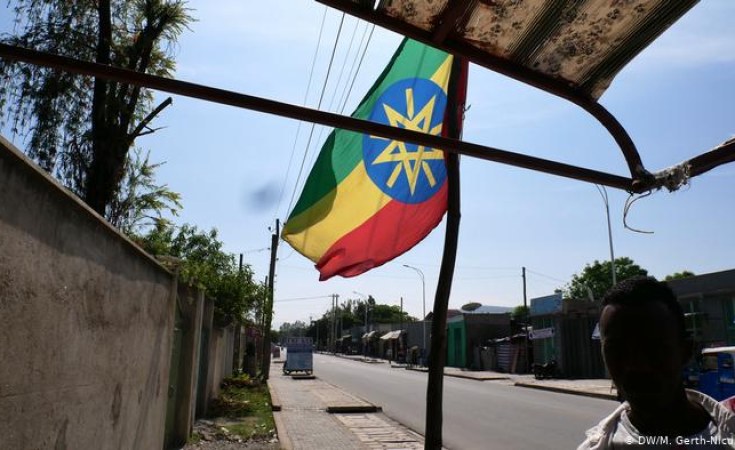
Ethiopia embarked on a significant democratic milestone with its 7th General Election on June 1, 2026, following a mandatory electoral silence period that commenced on May 31. This period allowed citizens deep reflection on the 42 competing parties and their platforms, transitioning the nation into a quieter political rhythm ahead of the momentous vote. The election is viewed as a defining institutional moment for one of Africa's largest and most strategically important nations, with over 54 million registered voters expected to participate.
The National Election Board of Ethiopia (NEBE) announced the successful completion of all logistical and operational preparations, with Chairperson Melatwork Hailu confirming the transition to the final implementation stage. Compared to previous electoral cycles, this election marks a substantial institutional advancement, characterized by broader political inclusion, improved technological systems, stronger administrative coordination, and expanded public participation. The electoral framework demonstrates significant progress in organizational capacity and democratic administration, particularly in logistical readiness, digital modernization, media inclusivity, and regulatory sophistication.
A notable transformation in this election is NEBE's pioneering introduction of digital voter and candidate registration systems. The "Mirchaye" ("My Election") mobile application allowed citizens to register digitally using smartphones, while polling officials utilized tablets for in-person registration nationwide, in collaboration with Ethio Telecom. This shift from paper-based systems to digital infrastructure effectively minimized bureaucratic delays, logistical inefficiencies, and significantly enhanced transparency. Furthermore, sensitive election materials, including ballots printed abroad under secure arrangements, were meticulously distributed across all constituencies within the planned operational timeline, with candidate and voter registration processes completed efficiently.
The 7th General Election also featured an unprecedented expansion of political participation and public debate. For the first time, NEBE directly organized and supervised 19 nationwide political debates in partnership with the Ethiopian News Agency (ENA). These forums, broadcast in five languages across public and private media, brought together representatives from 33 political parties, civil society, academics, and students to discuss 19 major policy areas. To ensure equitable competition, NEBE allocated substantial free campaign airtime, including 782.5 hours of radio, 520 hours of television, and 576 newspaper columns. Over 220,000 party representatives, 64 media institutions, and 1,814 journalists received accreditation to monitor and report on the electoral process, reinforcing transparency.
In a bid to protect voter independence and bolster public trust, NEBE implemented additional safeguards. The electoral silence period, declared after the debates, provided voters with time for reflection free from political pressure. Complaint-handling procedures were strengthened by assigning independent, politically unaffiliated professionals to oversee grievances. Domestic civic participation also saw significant growth, with NEBE granting voter education licenses to 169 civil society organizations, 114 of which received financial support, and accrediting 55 domestic civil society organizations for observation, underscoring efforts to enhance neutrality and accountability.
The election garnered substantial continental engagement, highlighting a growing African ownership of democratic processes. The African Union Election Observation Mission (AUEOM), led by former Kenyan President Uhuru Kenyatta, deployed 73 short-term observers from 37 African countries, with women constituting 61 percent of the mission. Similarly, the Intergovernmental Authority on Development (IGAD) Election Observation Mission, co-led by former Ugandan Vice President Speciosa Wandira-Kazibwe and former Speaker of Djibouti's National Assembly Mohamed Ali Houmed, deployed regional experts to observe polling-day procedures. These missions, guided by frameworks like the African Charter on Democracy, Elections and Governance, reflect a strong continental commitment to supporting credible, African-led democratic institutions and signal regional confidence in Ethiopia's electoral capacity.
As millions of Ethiopians began casting their ballots on June 1 at approximately 52,000 polling stations nationwide, electing members for nine regional state councils and a new federal parliament, the vote represented a critical moment. Over 10,000 candidates competed for public office, with Prime Minister Abiy Ahmed's ruling Prosperity Party seeking a renewed mandate based on economic reform, infrastructure development, national dialogue, and efforts to strengthen peace and stability. The large-scale exercise, observed by numerous international and local entities, is widely regarded as one of Africa's most consequential democratic processes, indicative of Ethiopia's institutional trajectory and the evolution of electoral systems through domestic reform, technological adaptation, and continental partnership. Preliminary results are anticipated in the coming days.
You may also like...
Former Miss Nigeria Chioma Amadi Masters Design, Inspires Beyond Crown!

The 40th Miss Nigeria, Chioma Amadi, has achieved a Master's degree in Interior Design from America's top design school,...
Tennis Queen Serena Williams Stuns Fans with Epic Comeback Announcement!
Tennis legend Serena Williams has announced her highly anticipated return to professional tennis, nearly four years afte...
Ethiopia's Historic 7th General Election Underway Amidst High Stakes
Ethiopia's 7th General Election, held on June 1, 2026, marked a significant democratic milestone with over 54 million re...
Backrooms Game Smashes Box Office Records, Raking in 'Star Wars' Level Profits!

Young horror directors Kane Parsons and Curry Barker made impressive feature debuts this weekend, with their films 'Back...
Adrenaline Junkies Put Advanced Vehicle Tech to the Test: Can Anyone Outrun the Law?

MotorTrend conducts an unusual experiment, pitting high-performance civilian cars against real police pursuit vehicles o...
2027 Tensions Soar: Mob Torches Obi-Kwankwaso Posters in Kano!

Intense political tensions erupted in Ungogo Local Government Area of Kano State, where a mob reportedly set ablaze camp...
Political Firestorm: Wike Slams Rivals Atiku, Obi, Kwankwaso as Liars!
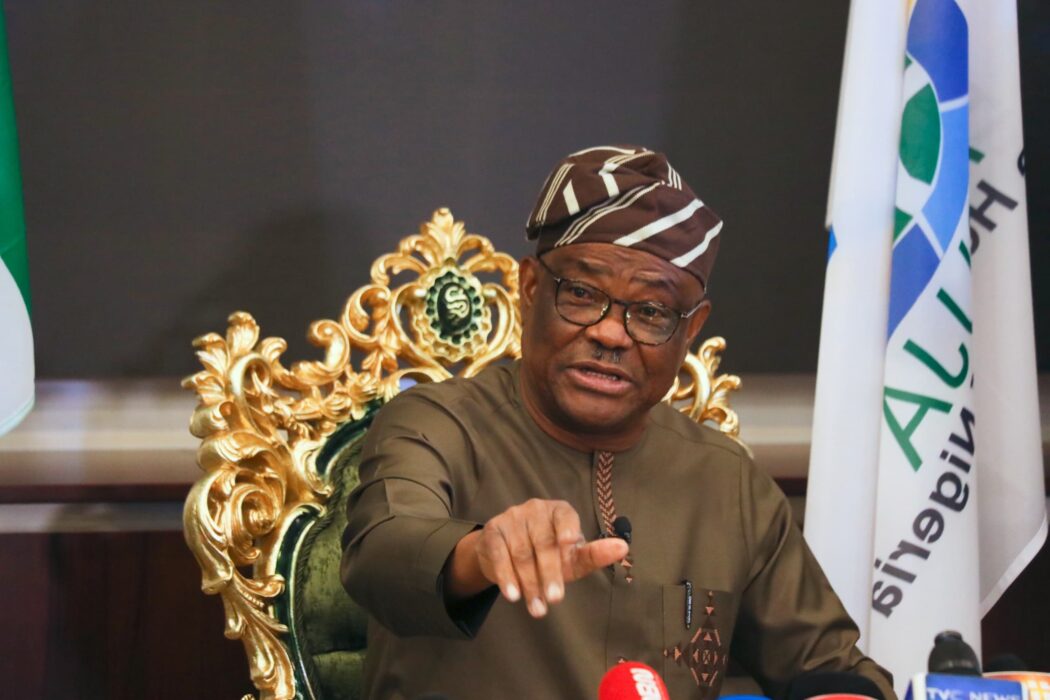
Minister Nyesom Wike has lambasted prominent opposition figures, including Atiku Abubakar, Peter Obi, and Rabiu Kwankwas...
Political Firestorm: Mandelson's Sensitive Foreign Office Briefings Under Scrutiny

Newly declassified documents expose Peter Mandelson's access to sensitive security briefings and intelligence chiefs bef...