Environmental Hazards and How Pollution Is Quietly Altering Respiratory Health
Read how environmental hazards and pollution is impacting individuals on a daily basis. The issues of respiratory health, reduction in life expectancy, and how human survival is being reshaped, from pre-industrial times to the modern industrial world.
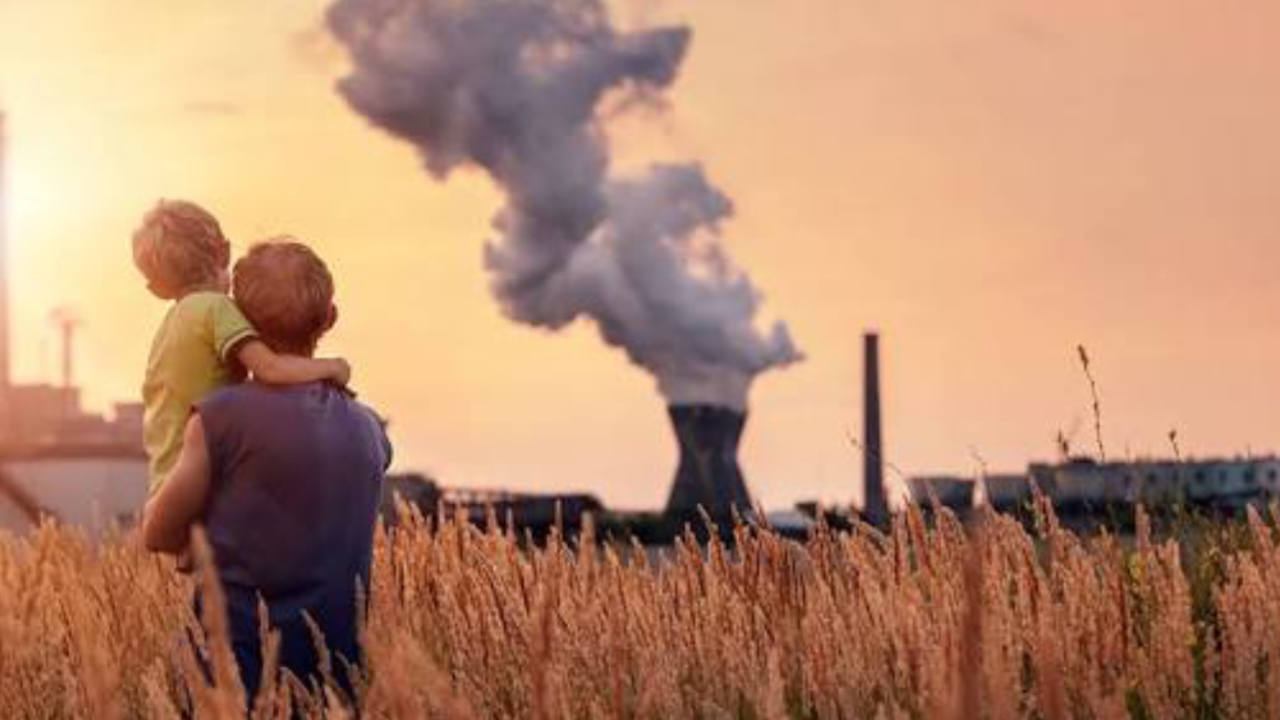
Breathing Wasn’t Always a Risk Factor
Yes you heard that right, breathing was always associated with risks and there was a time where the world Fresh air was a part of human existence but it seems like that is all in the past now.
There was a time when breathing was instinctive, unexamined, and largely harmless. Before industrialization rearranged our skylines and priorities, air was not something people feared. Villages rose with the wind in mind, fires were small and domestic, and pollution, where it existed, was local, temporary and not very harmful.
Respiratory illness certainly existed, yes, but it was rarely systemic and it was not rampant. Life expectancy was shaped more by infectious diseases, genetic diseases, malnutrition, and war than by the air itself.
But the world accelerated and industrialization became very rampant and beneficial of course.
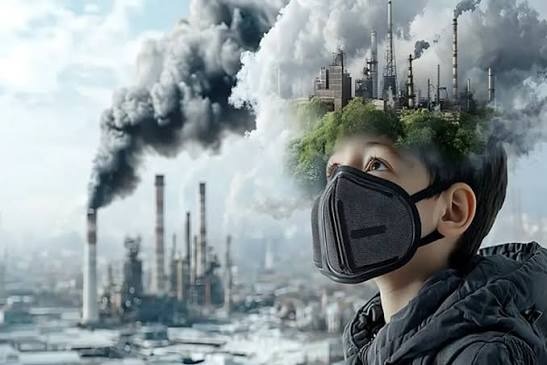
The Industrial Revolution brought machines, factories, refineries, and mass urban migration. Chimneys were symbols of progress, and flaring from refineries became a badge of economic activity.
What was not immediately visible was how this shift slowly turned the air into a chronic exposure pathway for illnesses.
Lead particles, sulfur dioxide, nitrogen oxides, and fine particulate matter began to lodge themselves not just in cities, but in lungs, bloodstreams, and in future generations yet unborn.
Lead poisoning is one of the earliest and clearest examples. Once widely used in gasoline, paint, and industrial processes, lead exposure caused neurological damage, reduced lung function, and increased vulnerability to respiratory infections—especially in children.
Even today with global growth and industrialization, the World Health Organization estimates that lead exposure accounts for hundreds of thousands of deaths annually, disproportionately affecting low- and middle-income countries. The story of pollution is not new, It was inherited and would be passed down to coming generations if nothing is done about it.
Has The Air Turned Hostile? Pollution as a Daily Exposure
Modern air pollution is less dramatic than the thick Victorian smog that was experienced in the 19th century, it is far more insidious than that. These days air pollution is silent but has turned to that stubborn neighbor that has refused to relocate as the neighborhood, it does not always announce itself with dark clouds or burning eyes like the Victorian smog.
Sometimes, it looks like traffic and combustion emissions from vehicles. Sometimes, it's the faint smells of fuel. Sometimes, it is invisible altogether. Yet its impact on respiratory health is profound and measurable.
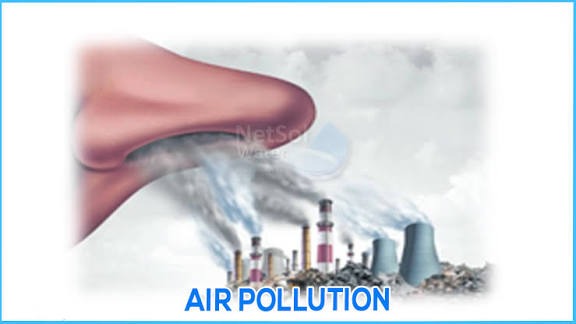
According to the World Health Organization, air pollution is responsible for approximately 7 million premature deaths globally each year, with respiratory diseases accounting for a significant proportion. Fine particulate matter (PM2.5), small enough to penetrate deep into the lungs and enter the bloodstream, is strongly linked to asthma, chronic obstructive pulmonary disease (COPD), lung cancer, and reduced lung development in children.
Refineries, industrial plants, and gas flaring sites compound this burden, especially in regions where oil production and mining is predominantly happening and where environmental exposure is constant.
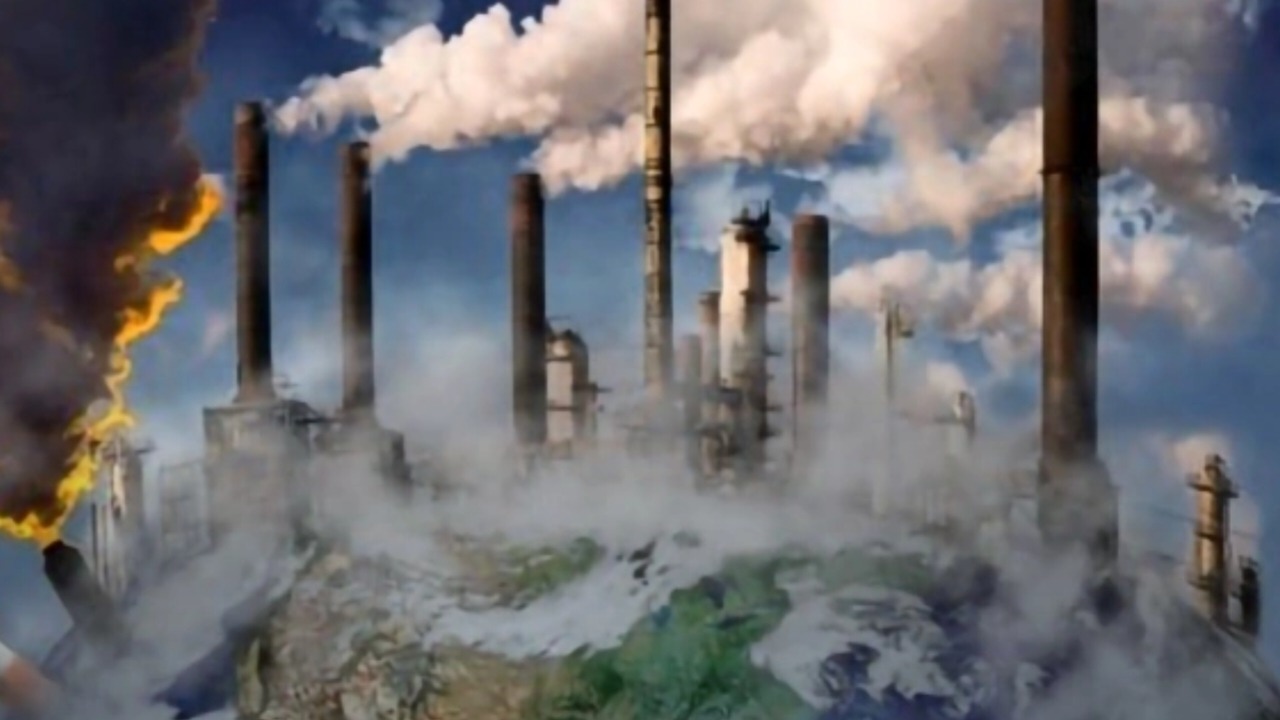
Residents in this area inhale a mix of hydrocarbons, sulfur compounds, and soot daily. Studies conducted in oil-producing communities in sub-Saharan Africa have shown higher rates of chronic cough, wheezing, reduced lung capacity, and asthma-like symptoms compared to non-industrial areas. These are not lifestyle illnesses; they are environmental ones.
What makes this particularly cruel is its subtlety. You do not “catch” pollution-related respiratory disease in a day. It accumulates. Each breath adds a grain to this burden called respiratory illness.
Over years, inflammation becomes chronic, lung elasticity declines, and vulnerability to infections increases. The air becomes hostile and turns into a slow, unregulated medication, taken without consent but the side effects guaranteed.

Shorter Lives, Weaker Lungs: Pollution and Life Expectancy
The relationship between environmental pollution and life expectancy is just theoretical. Whether you are aware or not, long-term exposure to polluted air has been shown to reduce average life expectancy by one to three years globally, and significantly more in heavily industrialized or poorly regulated regions.
A landmark study published in The Lancet Planetary Health estimated that air pollution shortens human life expectancy more than smoking, alcohol, or HIV/AIDS in some parts of the world.
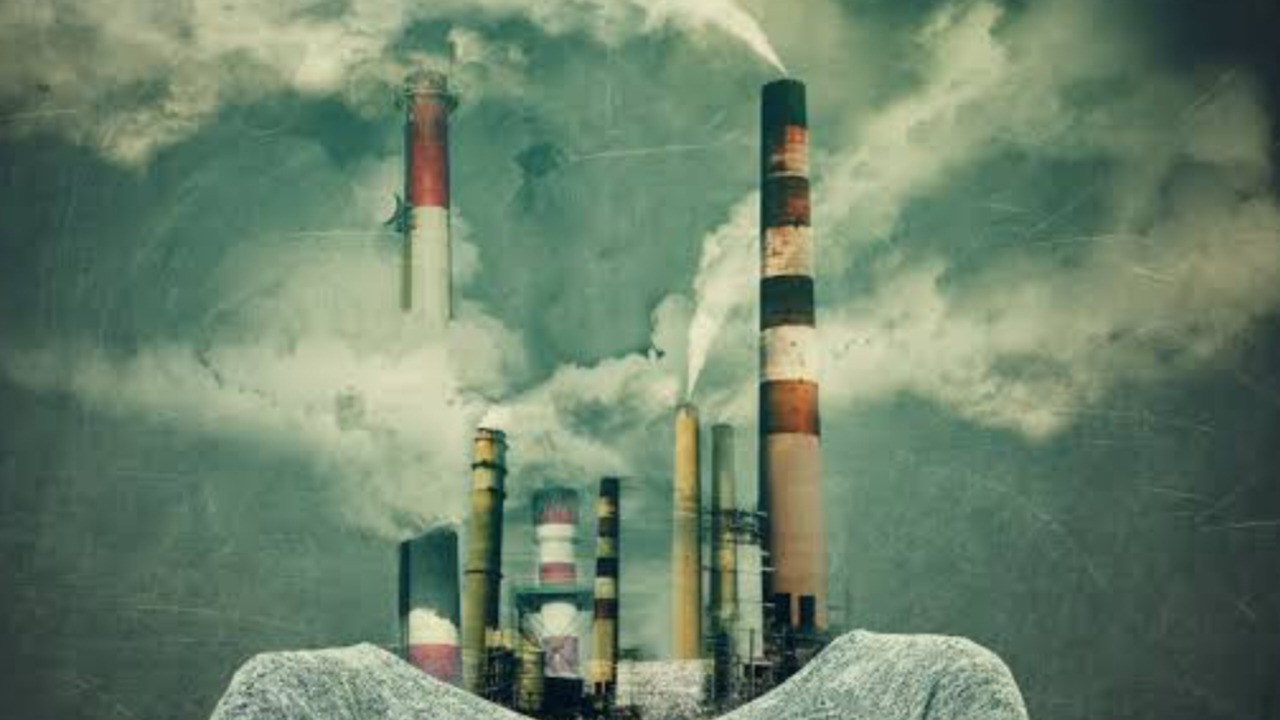
Respiratory health is the bone of contention and sits at the center of this decline. Polluted air accelerates lung aging, worsens pre-existing conditions, and weakens immune defenses.
Children growing up in polluted environments often have reduced lung growth, which follows them into adulthood, increasing the risk of lifelong respiratory disease. The elderly experience faster functional decline, making common infections more dangerous.
The injustice is spatial as much as it is biological. Those who live closest to pollution sources—industrial zones, highways, refineries—are often those with the least access to healthcare because areas like this are grossly underdeveloped.
In many African and Asian cities, informal settlements are clustered near industrial sites, turning poverty into an added respiratory risk factor. Breathing becomes a daily negotiation between survival and damage.
Life expectancy, in this context, is not just about how long people live, but how well they breathe while living, this is because the chronic breathlessness of life affects the individuals in these informal settlements.
This issues compounds overtime and It limits work, movement, sleep, and dignity. It turns usual routines into obstacles and night air into fear. Pollution does not always kill quickly, but it diminishes slowly and relentlessly.
The Cost of Progress and the Question of Responsibility
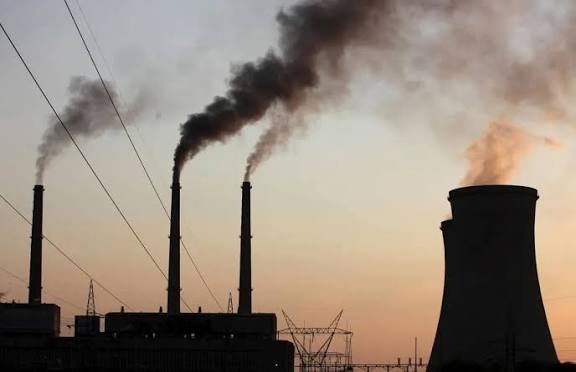
Every era tells itself a story about progress. Industrialization promised jobs, wealth, and modernization.
Urbanization has promised opportunity and we all are seeing the benefits of it. Energy production promised comfort, growth and ease of life.
What is often omitted is who pays the biological price of all this while industrialization progresses because respiratory illness has become one of the hidden taxes of development, paid in hospital visits, lost productivity, and shortened lives.
We have seen that scientific evidence continues to accumulate, but are we just going to sit down and read journals and statistics about environmental hazards and air pollution?
We all must act and we must start acting now
Reductions in air pollution would lead to rapid improvements in respiratory health and definitely is the first step. Studies from cities that implemented clean air policies—such as reduced emissions, cleaner fuels, and traffic control—show declines in asthma attacks, various forms of respiratory illnesses, hospital admissions, and premature deaths within years, sometimes months. They saw improvements as the lungs usually respond quickly when given a chance.
In all of this conversation and awareness it also raises an uncomfortable question. If improvement is possible, why is exposure tolerated? Why do regulations lag behind evidence? Why are vulnerable populations expected to adapt to poisoned air rather than protected from it? Environmental hazards are not acts of fate; they are outcomes of policy, enforcement, and prioritization of both the citizens and government of any nation.
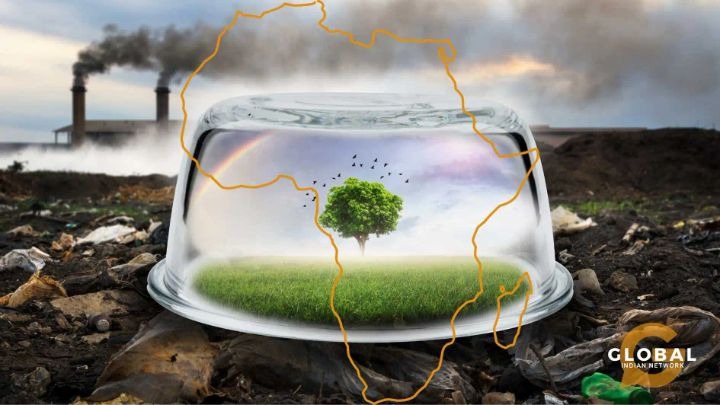
Source: Global Indian Network
Respiratory health tells the story of a society’s values. Clean air reflects planning, accountability, and long-term thinking. Polluted air reflects neglect and unequal power. As climate change intensifies and industrial activity expands, the burden on lungs will only grow unless addressed deliberately.
The story, however, is not entirely bleak. Awareness should rise and spread fast, research should be clearer and solution based. The link between environment and respiratory health is no longer debatable.
Because what remains is the will to act—to design cities where breathing is safe, to regulate industries that still make profit at a biological cost, and to recognize that life expectancy is shaped not only by medicine, food or even sedentary lifestyles but also by the air too.