Ebola Scare Grips Abuja as FG Confirms Case; Leaders Urge Calm
Nigeria has confirmed an Ebola case in Abuja, involving a woman recently arrived from Uganda, prompting immediate public health measures. Authorities are conducting extensive contact tracing, while political figures urge calm and adherence to health guidelines to contain the infection.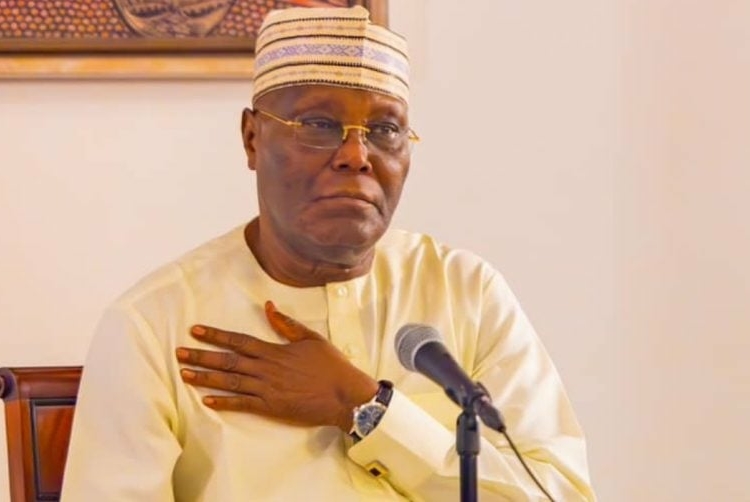
The Federal Government of Nigeria has officially confirmed a case of Ebola virus disease (EVD) in the Federal Capital Territory (FCT), raising significant public health concerns and underscoring the need for immediate, coordinated action. The confirmation came on Tuesday following laboratory tests on a woman who recently arrived in Nigeria on an international flight from Uganda. She was admitted to a private hospital in Abuja where she received treatment before the diagnosis was confirmed, and is now in isolation, receiving medical care to prevent further transmission.
In response to the confirmed case, the presidential candidate of the African Democratic Congress (ADC), Atiku Abubakar, called on Nigerians to remain calm and rely on credible information. He urged health authorities to intensify contact tracing, provide comprehensive support for affected individuals, and ensure the safety of frontline health workers involved in containing the infection. Atiku expressed his concern for the patient and commended the medical personnel, stressing the importance of timely communication and effective measures by authorities to limit the spread of the disease and prevent public anxiety. He also advised the public to adhere to professional health advice, refrain from circulating unverified claims, and highlighted the media’s crucial role in responsible and accurate reporting during this public health situation.
Health authorities have identified 44 close contacts linked to the confirmed case, including healthcare workers, patients, caregivers, and travel contacts. Public health teams, comprising representatives from the Federal Ministry of Health and Social Welfare, the Nigeria Centre for Disease Control and Prevention (NCDC), and the FCT Health Services Secretariat, have intensified efforts to trace and monitor all potentially exposed individuals. The government has appealed to passengers who may have travelled with the patient and other identified contacts to provide necessary information and comply with official instructions.
Ebola, or Ebola virus disease (EVD), is a severe and potentially fatal illness caused by viruses in the Orthoebolavirus genus. Its severity varies based on the specific virus, the patient's condition, and access to appropriate medical care. Symptoms of Ebola typically appear between two and 21 days after exposure to the virus and can initially resemble those of common illnesses like malaria or typhoid. Common symptoms include fever, severe headache, muscle and joint pain, weakness, fatigue, loss of appetite, abdominal pain, vomiting, diarrhea, and sometimes difficulty swallowing or breathing. Unexplained bleeding may also occur in some cases, although not all.
Ebola primarily spreads through direct contact with the blood or other body fluids of an infected person who is showing symptoms. Transmission can also occur through contact with contaminated objects such as bedding, clothing, medical equipment, or the bodies of people who have died from the disease. Certain Ebola viruses can also be transmitted to humans through contact with infected wild animals. It is important to note that Ebola does not typically spread through the air like measles or influenza, and individuals who have not yet developed symptoms are generally not considered infectious.
While Ebola can be fatal, survival is possible, especially with timely supportive care. Early diagnosis, appropriate medical intervention, stringent infection prevention and control measures, and close monitoring significantly improve patient outcomes. There is no single treatment or vaccine effective against every Ebola virus type. However, supportive medical care—including fluid and electrolyte management, treatment of complications, and continuous monitoring—can enhance a patient’s chances of survival. Approved vaccines and specific treatments exist for certain Ebola virus types, particularly the Zaire ebolavirus, emphasizing the critical need for health authorities to establish the specific virus type responsible for the infection to apply the relevant treatment and public health protocols.
Nigerians are advised to adopt several preventive measures to reduce their risk of infection. These include regularly washing hands with soap and running water or using an alcohol-based hand sanitiser, avoiding direct contact with the blood and body fluids of anyone suspected of having Ebola, and avoiding contact with the bodies of people who have died from unexplained illnesses. Other precautions involve avoiding the handling of sick or dead wild animals and raw or poorly cooked bushmeat. Anyone who develops compatible symptoms after possible exposure should seek immediate medical attention, inform healthcare workers about their travel history or contact with suspected cases, and follow instructions from public health authorities. The Nigeria Centre for Disease Control and Prevention’s toll-free line, 6232, is available 24/7 for enquiries and reporting suspected cases.
If Ebola infection is suspected, individuals should seek urgent medical advice. It is crucial to inform healthcare workers about recent travel, possible exposure, and symptom onset. People are advised to call ahead to a recognised health facility or contact public health authorities for instructions on safe access to care, which helps prepare healthcare workers and reduces the risk of exposing others. Suspected cases should be assessed by trained medical personnel, tested where indicated, and isolated when necessary. Members of the public are cautioned against self-diagnosis, taking unprescribed medication, or spreading unverified claims about suspected infections.
The Federal Ministry of Health and Social Welfare, the NCDC, the FCT Health Services Secretariat, and other relevant authorities are coordinating the national response. This includes heightened surveillance across all public and private healthcare facilities nationwide, prompt identification and isolation of suspected cases, and strict adherence to infection prevention and control measures. The ongoing response also focuses on monitoring potentially exposed individuals, strengthening laboratory diagnostic capabilities, and ensuring timely reporting of suspected cases to public health authorities. Nigerians are urged to remain calm, practice good hygiene, and rely on verified information from official health sources to prevent further transmission.