Ebola Emergency: Kenya Reels From Second Confirmed Case
Kenya has confirmed a second case of Ebola (Bundibugyo virus disease), a 39-year-old man and close contact of the first patient, highlighting the effectiveness of early detection and isolation. With contact tracing ongoing and no evidence of wider community spread, the Ministry of Health reassures the public while urging vigilance and adherence to official guidelines. The nation remains open, coordinating its response with global health bodies.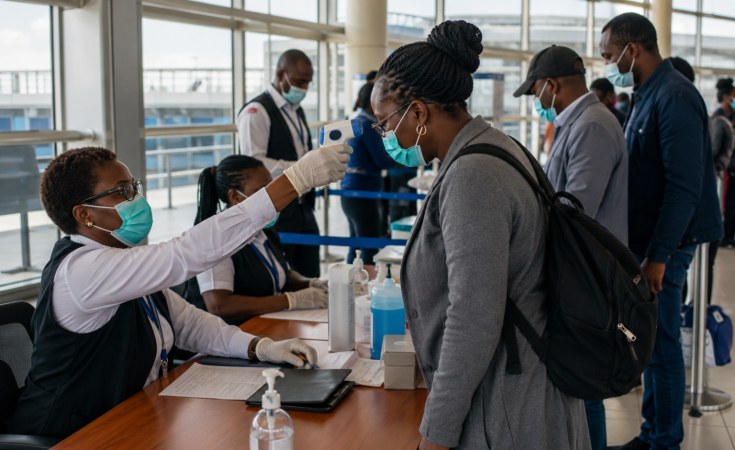
Kenya has officially confirmed a second case of Ebola, specifically the Bundibugyo virus disease, according to an announcement by the Ministry of Health. This new case involves a 39-year-old man who is a close family member of the initial patient, who tragically succumbed to the disease. The swift identification of this second case underscores the nation's ongoing vigilance and proactive measures in managing the potential spread of the virus.
The 39-year-old man was already under quarantine and subject to daily monitoring when he began exhibiting symptoms on October 13, including fever, fatigue, and joint pains. Following the onset of these symptoms, health officials immediately isolated him. Samples collected were subsequently tested and confirmed positive for the Bundibugyo virus disease at both the National Virology Reference Laboratory and the KEMRI-CDC laboratory. He has since been transferred to a dedicated treatment centre where he is receiving comprehensive supportive care, ensuring his well-being and preventing further transmission.
The Ministry of Health highlighted that the early detection and immediate isolation of the patient were crucial in limiting the risk of further spread within the community. Both confirmed cases have been explicitly linked, and there is currently no evidence suggesting wider community transmission, providing a measure of reassurance to the public. However, contact tracing efforts remain robust and ongoing to identify and monitor all individuals who may have been exposed.
As part of these extensive efforts, 128 people were identified as contacts of the first patient. By October 13, authorities had successfully traced 113 of these individuals. Among them, 108 are currently in quarantine within Kenya, undergoing daily clinical assessments and temperature checks for a period of 21 days to ensure any potential symptoms are identified promptly. The remaining five traced contacts are outside the country, and their respective health authorities have been duly notified to facilitate continued monitoring. Efforts are still underway to locate and trace the outstanding 15 contacts. Furthermore, health teams are also diligently assessing individuals who might have come into contact with the second patient since his symptoms emerged, including quarantine personnel and frontline health workers, to mitigate any additional risks.
Infection prevention and control (IPC) measures have been significantly bolstered at all quarantine and treatment facilities. Health workers on the front lines have been equipped with appropriate protective equipment to safeguard them against infection while providing care. The Ministry urged the public to remain vigilant and seek immediate medical attention if they experience any of the key symptoms associated with Ebola, such as fever, unusual fatigue, muscle or joint pains, vomiting, diarrhoea, or unexplained bleeding.
To dispel misinformation, the Ministry clarified that Ebola is not an airborne disease. Instead, it spreads exclusively through direct contact with the blood or other body fluids of an infected individual who is sick or has unfortunately died from the disease. Despite these confirmed cases, Kenya's borders remain open, and there are no restrictions on travel, trade, or public gatherings. The government is actively coordinating its response efforts with relevant national health authorities and in close collaboration with the World Health Organization (WHO), demonstrating a unified approach to managing the health crisis.
The public has been advised to rely solely on official updates provided by the Ministry of Health and to respect the privacy of the affected family. For any information or inquiries, members of the public can utilize the toll-free number 719. Principal Secretary for Public Health, Dr. Patrick Amoth, affirmed that the national response is being meticulously coordinated under the frameworks of the Public Health (Declaration of Formidable Epidemic Disease) Order, 2026, and the Public Health (Ebola Disease) Rules, 2026, underscoring the legal and structured approach to the current health challenge.