DR Congo Pledges Massive Copper Supply to the U.S., Yet Citizens Remain Trapped in Energy and Infrastructure Gaps
DR Congo's Gécamines has pledged 500,000 tonnes of copper to the US through Swiss trader Mercuria. But with over 70% of Congolese citizens still in poverty and operational control sitting outside the country, who does this deal actually benefit?
DR Congo's state miner Gécamines just made headlines for all the right reasons, if you're a commodity trader in Geneva or a Washington policy strategist.
The company is expanding its copper export commitment to the United States to 500,000 tonnes, routed through Swiss trading house Mercuria, in a deal flagged in a sovereign debt prospectus filed in London.
The revised volume is roughly five times higher than what was previously disclosed. Analysts are calling it a landmark move and a strategic deal that is worth commending.
But somewhere between the prospectus filing and the press release, a critical question keeps getting skipped: what does any of this mean for the average Congolese person who wakes up with no electricity and less than $2 in their pocket?
The Deal and What It Actually Is
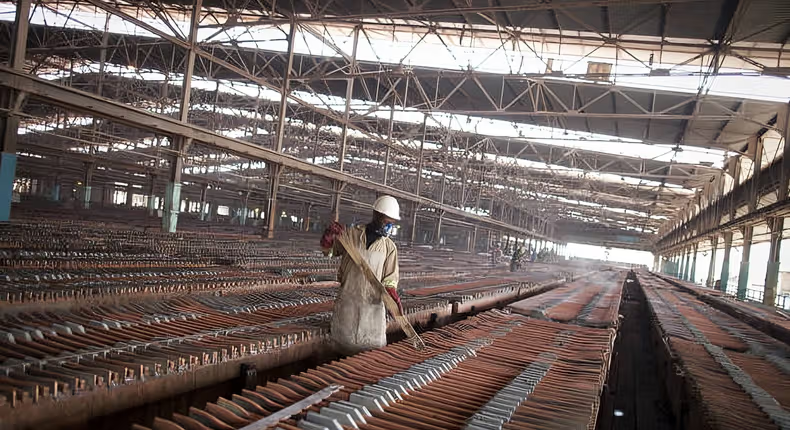
Strip away all the diplomatic language, headlines and what you have about the deal is simply straightforward: Gécamines holds minority stakes in some of DR Congo's most valuable mining assets, including Glencore's Kamoto Copper Company and the Chinese-operated Tenke Fungurume mine, one of the world's richest deposits of copper and cobalt.
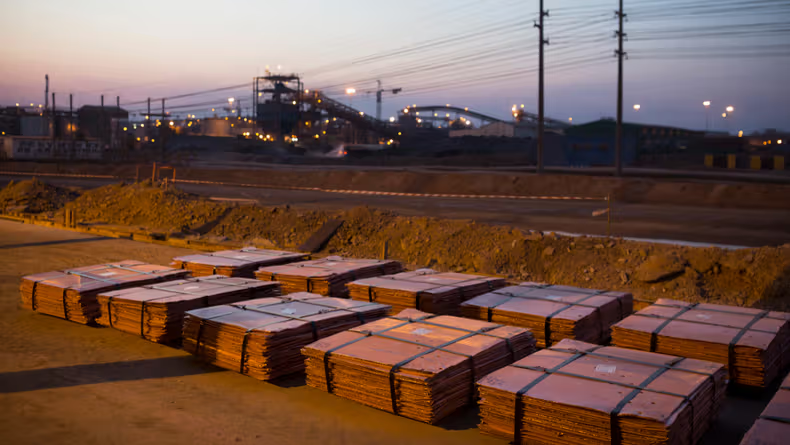
Through the Mercuria arrangement, production linked to these holdings gets aggregated and sold on global markets, effectively converting equity positions into physical copper flows that now fill American supply chain gaps.
Washington's interest isn't subtle; the US is aggressively securing critical mineral supplies for its energy transition and advanced manufacturing sector, and DR Congo dominates global cobalt output while ranking as a major copper supplier.
Zambia's Industrial Development Corporation has already launched a similar Mercuria-backed structure, two neighbouring countries, same Swiss intermediary, same Western buyer appetite.
Africa's Copperbelt is becoming a testing ground for state-backed commodity trading models at a scale and speed that would've seemed unlikely five years ago.
The problem is that operational control still sits with Mercuria, which remains the seller of record while Gécamines builds toward an eventual in-house trading arm.
Analysts are not optimistic about the timeline. Piotr Kulas of Benchmark Mineral Intelligence said he wouldn't bet his money on that transition happening soon. His colleague Albert Mackenzie added that a full trading operation would require significant investment in financing, insurance, risk management, and physical market access, infrastructure that DR Congo's state institutions don't currently have.
So the country is pledging half a million tonnes of copper to America through a Swiss company that it doesn't control, in a deal that is being seen as a milestone of African economic sovereignty.
Whose GDP Is Growing, Exactly?
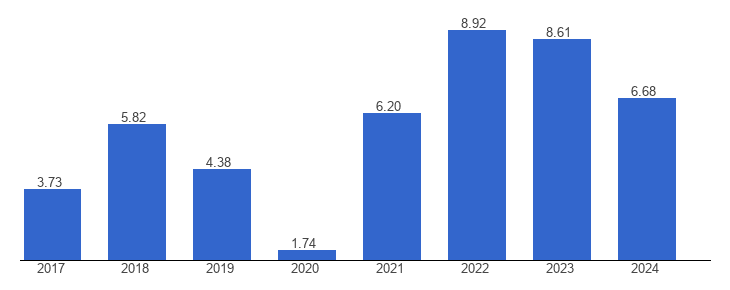
Here is the context that should accompany every headline about DR Congo's mining boom. Despite considerable growth in GDP, the general population has not benefited from this economic expansion, with more than 70 percent of the population living below the poverty line.
Economic growth remained heavily dependent on global commodity prices, particularly cobalt and copper, and was vulnerable to fluctuations in these markets.
The extractive sector accounts for 39 percent of GDP, 95 percent of exports, and 42 percent of revenues. The numbers look strong on paper, with public health spending accounting for just 3.1 percent of GDP, while 75 percent of citizens rely on out-of-pocket payments for medical care.
In January 2025, more than 7 million people were internally displaced, the highest figure in Africa.
A country exporting 95 percent of its economic output in raw minerals to foreign buyers while three-quarters of its people pay for their own healthcare, and other infrastructure, isn't experiencing development. It's experiencing extraction, with updated branding and publicity.
The Gécamines deal is the latest iteration of a pattern Africa has rehearsed for decades: resources go out, headlines come in, citizens wait. The strategic framing changes with whoever needs the minerals most; today, it's America's energy transition, yesterday it was another country's manufacturing expansion, but the structural outcome for the average Congolese citizen has remained stubbornly consistent.
Resource Wealth Is Not the Same as National Wealth
The Copperbelt experiment is genuinely interesting as a policy model. State-backed trading vehicles that aggregate production and market it directly represent a real attempt to close the gap between resource extraction and state revenue capture.

If Gécamines eventually builds that in-house trading arm, if the revenue flows through transparent institutional channels, if it funds hospitals and roads rather than debt servicing and elite accounts, that's a different conversation.
But that version of events requires governance reform, institutional capacity, and political will that the data doesn't yet support. Political agendas have worsened the economy, as in times of crisis, the elite benefit while the general populace suffers.
Half a million tonnes of copper pledged, a Swiss trader holding the keys and a Washington strategy playing off in real time. While in Kinshasa, there are stillenergy and infrastructure gaps.
The deal is real. The boost is real. The question of who actually feels it remains, as it always has, unanswered.