Doctor's Dire Warning at CPHIA2025 Conference Sparks Travel Safety Concerns
The two-year conflict in Sudan has caused the world's largest displacement crisis and utterly devastated its humanitarian and healthcare systems. Millions face severe malnutrition, disease outbreaks, and gender-based violence, with most health facilities non-functional. Experts emphasize critical needs for coordinated action and support for frontline medical staff amid this "humanitarian nightmare."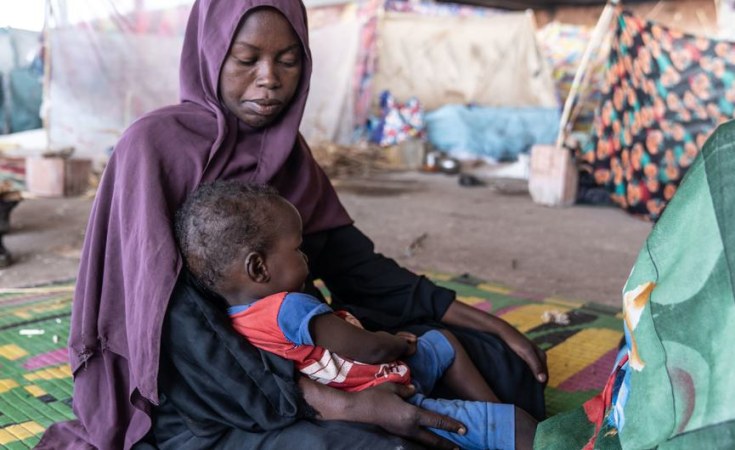
The two-year conflict between the Sudanese Armed Forces and the paramilitary Rapid Support Forces has plunged Sudan into a profound crisis, severely impacting its humanitarian, infrastructure, and healthcare systems. This devastating war has triggered the world's largest displacement crisis, with over 13 million people uprooted within the country and an additional four million seeking refuge in neighboring nations such as Chad, Egypt, Ethiopia, and South Sudan. A significant majority of those displaced are vulnerable women and children.
Beyond displacement, Sudan faces a severe food shortage, an alarming increase in gender-based violence, and a critical lack of access to education, healthcare, and job opportunities for countless communities. The United Nations reports that the number of people at risk of gender-based violence has tripled in less than two years, with conflict-related sexual violence being largely under-reported despite growing evidence of its use as a weapon of war. Women and girls in the hardest-hit areas bear the brunt of this crisis, experiencing increased hunger and severely limited access to essential goods and services. The UN has starkly characterized Sudan's conflict as both a "forgotten war" and "one of the worst humanitarian nightmares in recent history."
The healthcare sector, in particular, has been decimated. An estimated 70% to 80% of health facilities in conflict-affected regions are either barely functioning or entirely closed. This collapse has put approximately 4.5 million children under five and pregnant women suffering from severe malnutrition at a heightened risk of death due to the absence of essential health services. Access to sexual and reproductive healthcare for women has also been severely curtailed. Furthermore, at least two-thirds of Sudan's 18 states are grappling with multiple disease outbreaks, including cholera, malaria, and measles.
Dr. Mihad Nusreddin, a community medicine physician from Sudan and head of SMAfrica, highlighted the "devastating impact" of the conflict on health services and outcomes. She explained that millions of people have been displaced, and numerous health facilities are damaged, non-functional, or inaccessible due to insecurity. Essential services like maternal and child health care, immunizations, and chronic disease treatment have been severely disrupted. Dr. Nusreddin added that the breakdown of infrastructure and widespread displacement have exacerbated public health risks, noting that limited access to safe water, sanitation, and shelter has increased the likelihood of outbreaks such as cholera and measles. Mental health needs are also rising sharply among displaced populations, and the overall breakdown of the health system threatens years of progress in immunization coverage and disease surveillance, leaving communities vulnerable to future epidemics.
Despite the dire situation, Dr. Nusreddin acknowledged that national and regional partners, including the Africa CDC, continue to support emergency health operations, strengthen disease surveillance, and mobilize resources to maintain life-saving services under extremely difficult conditions. She underscored the critical importance of coordination, explaining how mechanisms like Africa CDC and its Incident Management Support Team (IMST) mitigate the health impacts. The IMST model, composed of experts providing technical and operational support, assists in managing public health emergencies by assessing needs, coordinating responses, and sharing crucial health data across borders. This approach strengthens outbreak detection and response, preventing displacement or cross-border movement from triggering wider regional health emergencies, reflecting Africa CDC's focus on regional solidarity and coordinated action.
Medical staff and doctors on the ground face immense challenges and constant threats to their safety due to the ongoing conflict. More than 165 health facilities have been damaged or destroyed by shelling and drone strikes, leading to the deaths of numerous healthcare workers. The abduction and assault of medical professionals have caused severe staff shortages in the few remaining functional facilities, as many health workers fear for their lives. Disruptions in medical training have further weakened Sudan's already fragile public health infrastructure, deepening the health emergency. In Khartoum, nearly half of all hospitals are non-operational, medical supplies are critically low, and most of the workforce is displaced. The delivery of healthcare continues to be hampered by pervasive insecurity, widespread displacement, and a critical lack of resources throughout the country. Dr. Nusreddin emphasized that even basic medical supplies such as gloves, cotton, drips, normal saline, and pain relief medications are frequently unavailable. The country's health system is breaking down under the intense pressure of the fighting.
Dr. Nusreddin stressed that supporting and empowering healthcare workers is crucial for sustaining service delivery amidst the crisis. She stated, "Doctors and healthcare professionals are the main players at the front line. If we truly want a patient-centered approach, we must support and strengthen the people who connect with patients directly and provide care under these extremely tough conditions." Looking ahead, she expressed hope that the 2025 Conference on Public Health in Africa (CPHIA) and regional engagements will foster stronger collaboration and governance, leading to better integration of efforts, increased coordination, and valuable knowledge sharing, with the aim of adapting successful strategies across countries.