Do You Know Chewing Gum Can Improve Concentration?
An insightful commentary exploring whether chewing gum can improve concentration, the modern attention crisis, the decline of reading culture, and how discipline, focus, and consistency shape a more productive life.

For many people, chewing gum was once treated as a small rebellion. Parents warned against it, teachers banned it in classrooms, and it was often associated with distraction rather than discipline or normal sweetener.
You look like a goat chewing that, don't you know that it will spoil your teeth, don't chew it next time. Those were the popular statements from parents and elders around.
In school, gum meant trouble. It meant noise, mess, and a lack of seriousness. Focus, on the other hand, was framed as something that came from silence, stillness, and obedience. You sat upright, you faced the board, you listened carefully, and you tried not to fidget. Concentration was taught as restraint.
That upbringing shaped how many of us still think about focus today. We assume that paying attention must feel rigid and uncomfortable, that productivity requires suffering and prolonged stillness, and that the mind only works well under pressure. Yet, as adults navigating a very different world, we are discovering that the brain is more complex than the rules we grew up with. Concentration does not always come from stiffness. Sometimes, it comes from small movements, a mind at ease, subtle stimulation, and unexpected aids. This is where chewing gum quietly enters the conversation, not as a miracle habit, but as a window into how attention actually works.
The Attention Crisis of the Modern World
It is difficult to ignore the reality that attention spans are shrinking. Notifications interrupt thought, social media fragments focus, and the habit of deep reading is slowly fading. Many people struggle to read a full article without drifting. Even conversations compete with the urge to check a phone. The brain, constantly stimulated, rarely rests long enough to focus deeply on one task.
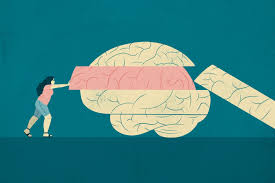
This decline in attention is not a moral failure; it is an environmental one. We live in a world designed to pull us in multiple directions at once. Algorithms reward distraction. Speed is valued over depth. Multitasking is praised, even though research consistently shows that it weakens concentration rather than improving it.
In this context, the idea that something as simple as chewing gum could slightly improve concentration feels almost ironic. Yet studies have suggested that chewing gum may increase alertness, improve reaction time, and help with short-term focus, particularly during tasks that require sustained attention. Scientists believe this may be linked to increased blood flow to the brain, mild stimulation that keeps the mind engaged, and reduced stress levels.

However, the deeper issue is not gum itself. The real conversation is about how desperate we have become for focus in a world that constantly steals it from us. Chewing gum does not fix distraction, but it highlights how small physiological changes can influence mental performance in a distracted age.
Reading, Discipline, and the Skill We Are Losing
One of the quiet casualties of this attention crisis is the culture of reading. Reading demands patience and the ability to sit with complexity. It asks the mind to stay present without instant rewards. In the past, reading was not optional for growth; it was a primary tool for learning, imagination, and discipline. Today, it competes with endless streams of short content that offer stimulation without depth.

The loss of reading culture is not just about books; it is about training the mind to stay. Focus is a muscle. When it is not exercised, it weakens. Many people now confuse intelligence with speed, forgetting that deep understanding often comes from slow, deliberate engagement.
This is where discipline enters the conversation. Focus is not only a cognitive skill; it is a behavioural one. Consistency trains attention. Routine strengthens it. The ability to sit with discomfort, whether that discomfort is boredom, work, complexity, or silence, is what allows the mind to grow sharper over time.

Chewing gum, in this sense, is symbolic. It shows that the brain sometimes benefits from gentle stimulation rather than total restriction. But it does not replace the habits that truly build focus. Reading regularly, limiting digital interruptions, committing to one task at a time, and allowing the mind to work without constant switching are what rebuild attention. Gum may help at the margins, but discipline shapes the core.
Focus as a Lifestyle, Not a Hack
It is important not to turn chewing gum into a ritual or a requirement. It is not a productivity shortcut, and it does not guarantee success. What it represents is something more valuable: the understanding that focus is influenced by both the mind and the body. Small actions can support attention, but they cannot replace intentional living.

A focused life is often a calmer life. People who cultivate discipline, consistency, and presence tend to experience less chaos than they realize. They finish tasks more efficiently. They retain information better. They feel less overwhelmed because their minds are not constantly scattered. This is not about perfection; it is about awareness.
The modern world encourages constant stimulation, but focus requires choice. It requires deciding when to engage deeply and when to step back. It requires protecting time, building routines, and respecting the limits of the brain. Chewing gum may offer a mild boost during certain tasks, just as listening to instrumental music or taking short breaks can. But the real power lies in understanding that attention is built, not hacked.


In summary, concentration is not something we magically regain through one habit. It is something we relearn through discipline, patience, and respect for how the mind works. Chewing gum simply reminds us that focus is not as rigid as we were taught and that sometimes, small, thoughtful adjustments can support a much bigger transformation.