Digital Love or Digital Lies? The Boom of Online Dating in African Countries
Online dating in Africa is booming, from Lagos to Nairobi. But is it fostering genuine connections or fueling digital deception? Explore the trends, risks, and cultural shifts shaping love in the digital age.

Introduction: Love in the Age of Wi-Fi
Across the continent, millions of Africans swipes, gets matched, and message their way through love. The continent, once bound by tradition when it came to courtship, is now part of a digital love experiment powered by algorithms and endless profiles.
From global giants like Tinder and Bumble to niche platforms such as TrulyAfrican, AfroIntroductions, and faith-focused spaces like Muzmatch, Africans are embracing the swipe culture with remarkable enthusiasm. These platforms promise to break down geographical, cultural, and even linguistic barriers, offering love at the speed of Wi-Fi.
But as the virtual roses pile up and “forever” is only a match away, a pressing question lingers: Are these apps truly fostering genuine connections, or are they breeding a new wave of deception and heartbreak in the digital age?
The Rise of Online Dating in Africa
A. Internet & Smartphone Penetration
Over the past decade, Africa has experienced an unprecedented boom in mobile connectivity. Affordable smartphones from brands like Tecno, Infinix, and Itel, paired with competitive mobile data packages from telecom giants like MTN, Airtel, and Safaricom, have placed the internet in the pockets of millions. This digital leap has transformed how Africans connect, shifting romantic encounters from chance meetings and family-arranged introductions to algorithm-powered matches on platforms.

Photo Credit : Google Image
B. COVID-19 and Social Shifts
The COVID-19 pandemic acted as a catalyst for Africa’s online dating boom. Lockdowns, curfews, and social distancing stripped away opportunities for in-person socializing, forcing singles to seek companionship in virtual spaces. Dating apps saw record sign-ups. Beyond local interactions, the limitations on travel and public gatherings fueled an increase in cross-border connections, Ghanaians flirting with South Africans, Nigerians building relationships with Kenyans, all without leaving their homes. In many ways, the pandemic didn’t just normalize online dating; it made it a necessity, rewriting the rules of love in the continent’s digital age.
How the Platforms Work
A. Algorithms & Profiles
Social Insight
Navigate the Rhythms of African Communities
Bold Conversations. Real Impact. True Narratives.
Dating apps in Africa operate on the same core principle as their global counterparts: data-driven matchmaking. Users create profiles with photos, bios, and personal preferences, which are then fed into algorithms designed to predict compatibility. Matching is often driven by swipes, likes, and location-based suggestions, but some platforms go further with compatibility scores based on interests, lifestyle, and even religious alignment.
B. Monetization & Premium Tiers
While most dating apps in Africa offer free access to basic matching, monetization is where the platforms make their money. Premium tiers introduce features like “Boosts” (temporarily elevating a profile’s visibility), “Super Likes” (signaling strong interest), and unlimited swipes. The psychology here mirrors gaming, small wins keep users hooked, while the fear of missing a connection pushes them toward paid features. In a market where disposable income varies widely, some apps have introduced low-cost daily or weekly plans instead of pricey monthly subscriptions, making them accessible to a broader audience. Ultimately, the revenue model hinges on turning romance into recurring transactions.
The Promise of Digital Love

A. Expanding Dating Pools
In the past, love in Africa was often confined to one’s immediate community, workplace, or social circle. Today, dating apps have exploded those boundaries, introducing users to potential partners thousands of kilometers away, fostering connections that transcend geography, culture, and even language.
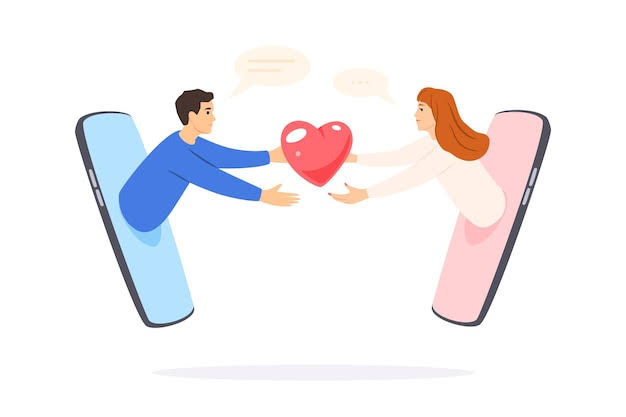
Photo Credit: Freepik
B. Empowerment & Choice
For women, particularly in traditionally conservative societies, digital dating offers a refreshing shift in power. Instead of waiting to be approached, they can initiate conversations, set boundaries, and curate their dating experiences. In parallel, LGBTQ+ individuals often marginalized offline find safer spaces on select platforms, where they can express themselves and connect with like-minded people without immediate societal scrutiny. In these ways, online dating is more than just a swipe; it’s a redefinition of agency and choice in African romance.
The Dark Side: Digital Lies
A. Catfishing & Romance Scams
While digital dating opens new doors, it also opens the floodgates to deception. Countries like Nigeria, Ghana, and Kenya have become infamous in global scam reports, with online “lovers” luring unsuspecting victims into sending money or personal information. The schemes range from elaborate months-long courtships to sudden pleas for “emergency funds.”
B. Misrepresentation & Ghosting
Social Insight
Navigate the Rhythms of African Communities
Bold Conversations. Real Impact. True Narratives.
On many platforms, profile pictures are often highly edited, sometimes to the point of being unrecognizable. Others use stolen images or fabricate entire identities. Even when matches are genuine, “ghosting” remains a persistent frustration, with conversations abruptly ending and potential relationships dissolving into silence.
C. Safety Risks
Beyond emotional harm, there are tangible dangers. Reports have emerged across African cities of harassment, assault, and even blackmail after in-person meetings arranged online. For some victims, what began as a romantic prospect ended in trauma, highlighting the urgent need for safer digital dating practices.
The Cultural Clash
The rise of online dating in African countries has ignited a quiet but intense cultural debate. While younger generations embrace the convenience and openness of finding love digitally, older generations remain skeptical often viewing it as a risky, foreign-influenced trend that undermines traditional matchmaking. In many communities, love is still expected to grow within family-approved circles, with elders or religious leaders playing a central role. For them, dating apps bypass these long-standing social systems, replacing face-to-face introductions with swipes and algorithm-driven matches that feel impersonal and morally questionable.
Religion further complicates the conversation. In deeply conservative societies, online dating is sometimes framed as a moral hazard, especially when it allows for unsupervised interactions between men and women. Faith-based authorities in countries like Nigeria and Sudan have openly warned against the “moral dangers” of digital romance, while others have sought to create faith-compliant dating platforms to balance modern convenience with religious values.
Perhaps the most glaring tension is the way online dating intersects with gender norms. In many African cultures, women who actively seek partners online face social stigma, being labeled as desperate or “loose,” while men are often praised for being adventurous, tech-savvy, and “modern.” This double standard is not just a matter of perception, it shapes how freely women can engage on these platforms. Some women hide their profiles, use pseudonyms, or limit their activity to avoid being recognized and judged by their communities.
Regulation and Responsibility
A. App Moderation Policies
Dating platforms are increasingly aware that their success hinges on user trust, and this has prompted the rollout of safety features designed to weed out bad actors. Global players like Tinder and Bumble have integrated AI-driven fraud detection, photo verification systems, and in-app reporting tools to quickly flag suspicious accounts. Local platforms, while growing in popularity, often lag behind, some lack rigorous screening processes or dedicated moderation teams, making them more vulnerable to scams. Still, innovations such as video call verification and “panic buttons” are slowly entering the African market, signaling a shift toward safer digital dating spaces.
B. Government & Law Enforcement
African governments are beginning to acknowledge that love in the digital age also comes with cybercrime risks. Nigeria’s Cybercrime (Prohibition, Prevention, Etc.) Act of 2015 provides a framework for prosecuting online fraudsters, while Kenya’s Computer Misuse and Cybercrimes Act of 2018 criminalizes impersonation, online harassment, and financial scams. South Africa’s Cybercrimes Act of 2021 goes further, addressing data breaches and image-based abuse.
Despite these measures, significant gaps remain. Many victims of online romance scams, particularly women, face barriers in reporting due to stigma, lack of awareness, or insufficient police training on cybercrime.
Social Insight
Navigate the Rhythms of African Communities
Bold Conversations. Real Impact. True Narratives.
The Future of Love Online in Africa
A. Tech Innovations
The next chapter of African digital romance is poised to be shaped by cutting-edge technology. Dating platforms are already experimenting with AI-driven compatibility algorithms that analyze communication styles, shared values, and life goals to improve matchmaking accuracy. Video dating features are becoming standard, giving users a chance to assess chemistry before meeting in person.
B. Balancing Risk & Reward
For Africa’s online dating scene to thrive, platforms and users must strike a delicate balance. Safety education, combined with stronger verification systems, can help curb fraud and abuse. Governments and tech companies alike will need to invest in digital literacy programs, empowering people to identify scams and report suspicious behavior.
Conclusion: Swipe Right or Swipe Cautious?
Online dating in Africa is both a doorway to possibility and a gateway to risk. It offers a chance for love to bloom across borders, cultures, and time zones, yet it also exposes users to deceit, exploitation, and heartbreak. For every success story, there is a cautionary tale.
As technology becomes even more sophisticated, the line between authentic romance and carefully crafted deception will only get thinner. The future will demand not just smarter dating apps, but smarter users, people who can navigate love in the digital age with both openness and discernment. Education, awareness, and better safeguards will be the bridge between the dream of online love and the reality of safe, healthy relationships.
The truth is simple: the internet can create love, but it can also sell the illusion of it. In the end, the choice is not whether to swipe right or left, but whether to swipe wisely.