Democracy at 27: Nigeria Celebrates, Gears Up for Crucial Ekiti Polls!
Nigeria commemorated 27 years of uninterrupted democratic rule on June 12, 2026, with President Bola Tinubu urging national unity and confidence in the electoral process for upcoming governorship elections in Ekiti and Osun. Meanwhile, INEC confirmed its readiness for the Ekiti poll, and new minority leadership positions were established in the House of Representatives.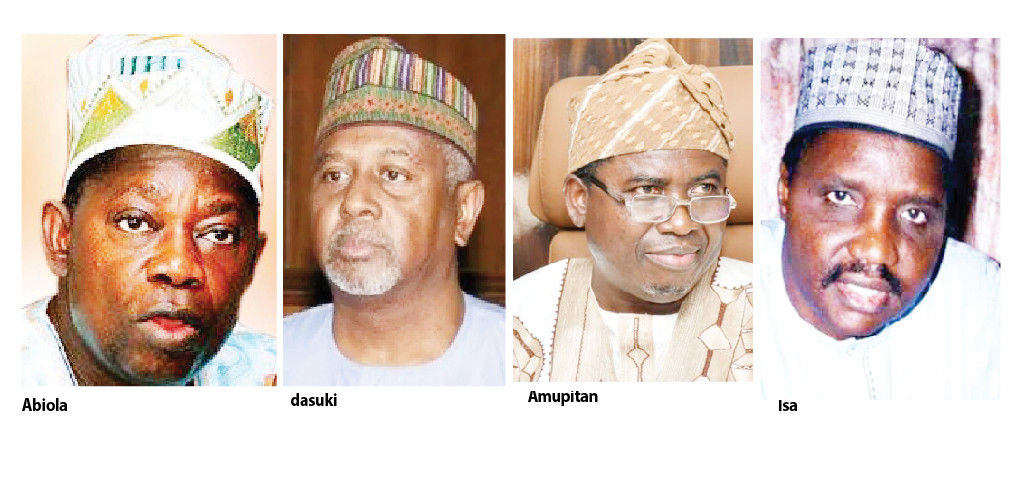
Nigeria recently marked 27 years of uninterrupted democratic rule since its return to civilian governance in 1999, commemorated on Friday, June 12, 2026. This significant milestone saw President Bola Tinubu, governors, lawmakers, political parties, high-profile personalities, and various groups deliver speeches, collectively urging citizens to embrace unity, peace, patriotism, and democratic values. Tributes were also paid to the heroes who sacrificed during the struggle that led to the June 12 events.
In his address to the nation, President Bola Tinubu emphasized the importance of a credible electoral process, charging the Independent National Electoral Commission (INEC), security agencies, and political parties to ensure peaceful, free, fair, and credible governorship elections in Ekiti and Osun states. He warned that democracy falters when citizens lose confidence in the electoral system, highlighting that the forthcoming elections in these two states present a crucial opportunity to strengthen democratic institutions and deepen public trust. Tinubu proudly described Nigeria’s 27 years of civilian rule as the longest stretch of democratic governance in the country's history, noting the consistent choice of leaders through the ballot, peaceful power transitions, and the resolution of disagreements through legal and legislative channels rather than violence.
The President further called upon key national institutions including the National Assembly, the judiciary, the media, and civil society organisations (CSOs) to continue acting as the essential 'guardrails of the republic'. Addressing young Nigerians, he urged them to remain committed to the country and contribute actively to its development, stating, “Nigeria is your home and your future. Build here, code here, work here, and vote here. Every great nation was built by those who stayed to solve problems, not by those who abandoned ship.” He extended commendation to the members of the armed forces, police, and intelligence agencies for their sacrifices and thanked traditional rulers, faith leaders, and community heads for their role in promoting peace and reconciliation nationwide. Tinubu also honored Nigerians who endured persecution, imprisonment, exile, and even death in the struggle for democracy, specifically mentioning the late Chief M.K.O. Abiola and the late Alhaja Kudirat Abiola. Expressing confidence, he affirmed that despite national challenges, Nigerians would continue to defend democracy and collaboratively work towards building a united and prosperous country.
As part of the commemoration, President Tinubu announced that the Federal Government would confer national honours on several pro-democracy activists, journalists, and political figures. Notable individuals listed included Ayoka Lawani, Tunde Fagbenle, Oladele Alake, Olatunji Bello, Louis Odion, Segun Babatope, Sam Omatseye, Ademola Osinubi, Bola Bolawole, Lade Bonuola, Femi Kusa, Debo Adeniran, Ayo Opadokun, Ralph Obiora, Ose Osayande, Osa Director, Sylvester Odion-Akhaine, Arthur Nwankwo (posthumous), and Osagie Obayuwana, among others. Additionally, he recognized several ex-military officers, described as “soldier-democrats,” for their significant roles during the June 12 struggle. These included Major General M.A. Garba, Brigadier General Lawal Jaafaru Isa, Colonel Umar Farouk Ahmed, Colonel Sambo Dasuki, Colonel Lawan Gwadabe, and Brigadier Jonathan Ndam Temlong, among others.
In related news concerning the forthcoming elections, INEC confirmed its full preparedness to conduct a free, fair, credible, and transparent governorship election in Ekiti State on June 20, 2026. Prof. Joash Amupitan, the INEC chairman, made this assertion in Ado-Ekiti during an election stakeholders’ meeting held in anticipation of the poll. During the meeting, Amupitan announced an extension for the collection of permanent voter cards (PVCs) until June 14, noting that only 80% of newly registered voters had collected theirs. He underscored that the Commission’s preparations are founded on principles of transparency, accountability, and strict adherence to constitutional provisions. Dr. Bunmi Omoseyindemi, the Resident Electoral Commissioner (REC) for Ekiti State, stated that non-sensitive election materials had already been received and securely stored according to established procedures, with the deployment of sensitive materials expected to commence the following week. The Ekiti State Commissioner of Police, Michael Falade, reiterated the command's commitment to deploying maximum security to ensure a violence-free and credible election.
Adeniji Aderopo, the chairman of the Inter-Party Advisory Council (IPAC) in Ekiti state, appealed to political parties, candidates, and their supporters to embrace peace and political tolerance as the state gears up for the June 20 governorship election. Prof. Amupitan also conducted visits to selected polling units in Ado-Ekiti and Ise/Orun Local Government Areas to oversee the Mock Accreditation Exercise. This crucial quality assurance process is designed to assess the performance and reliability of election technology before election day. Following his observations, Amupitan expressed satisfaction with the Bimodal Voter Accreditation System (BVAS), confirming that the exercise showcased the Commission’s readiness to conduct a smooth and efficient voter accreditation process. He further revealed that Ekiti State has a total of 1,059,360 registered voters, who are expected to cast their ballots across 2,445 polling units situated in 117 wards and the 16 Local Government Areas of the state.
Adding to the election preparations, the ruling All Progressives Congress (APC) recently inaugurated a 150-member National Campaign Council. Chaired by Governor Uba Sani of Kaduna state, with Senate President Godswill Obot Akpabio as co-chairman and Senate Leader Michael Opeyemi Bamidele as secretary, the council comprises serving and former governors, principal officers of the National Assembly, and other prominent party leaders. Its mandate is to coordinate and drive APC campaign activities for the upcoming Ekiti election.
In other political developments, Hon. Fred Agbedi, representing Sagbama/Ekeremor federal constituency of Bayelsa State, was unanimously selected as the Minority Leader of the House of Representatives. Agbedi, a member of the Taminu Turaki-led faction of the Peoples Democratic Party (PDP), succeeds Hon. Kingsley Chinda, who resigned from the position and the Nyesom Wike camp of the PDP after winning the APC governorship primary election ahead of the 2027 polls. Additionally, Hon. Manu Soro (APM, Bauchi) became Minority Whip, and Hon. Abdulsammad Dasuki (ADC, Sokoto) emerged as deputy minority leader through consensus. They succeed former office holders Hon. Ali Isa (Gombe), who left PDP, and Hon. Aliyu Sani Madaki (Kano), who resigned from NNPP to APC. These appointments have resolved weeks of contention over the minority leadership in the House.